
Top Signs Your Business Needs an Effluent Treatment Plant (ETP) Upgrade
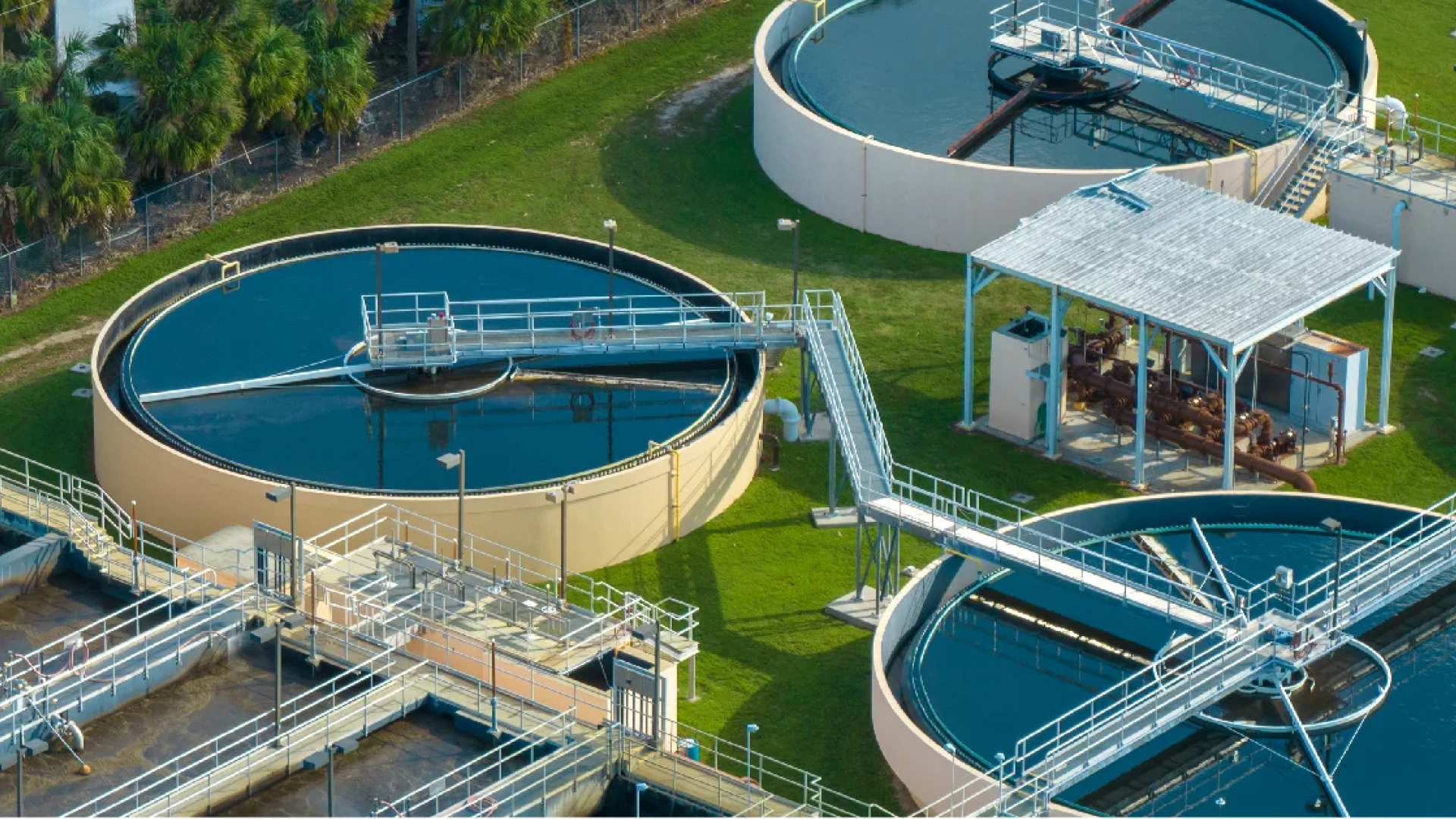
Managing industrial wastewater is an important part of keeping operations efficient, safe, and compliant. Over time, even a well-functioning effluent treatment plant can begin to show signs of wear, reduced efficiency, or difficulty handling current production demands. For businesses that rely on industrial water treatment systems, recognizing these warning signs early can help prevent operational disruptions and costly issues later.
H4 Waterworks LLC provides industrial water and wastewater treatment solutions designed to support reliable plant performance and water management needs. Knowing when it may be time to upgrade your effluent treatment plant can help your business stay prepared for future growth and changing operational requirements.
Your Current System Struggles to Handle Increased Production
One of the most common signs that an effluent treatment plant upgrade is needed is increased production output. As businesses grow, wastewater volumes often increase as well. An older system that once handled daily operations efficiently may now struggle to keep up with higher flow rates or changing wastewater characteristics.
If your facility regularly experiences system overloads, slower processing times, or inconsistent treatment performance, it may indicate that your current industrial wastewater treatment setup no longer matches your operational demands. Upgrading the system can help improve efficiency and support long-term business growth.
Businesses looking to strengthen operational sustainability often explore advanced industrial water and wastewater treatment services to better align treatment capabilities with expanding production needs.
Frequent Maintenance and Repairs Are Becoming Common
Every treatment system requires maintenance, but constant breakdowns or repeated repairs can become a major concern. Aging equipment may lead to:
Increased Downtime
Frequent shutdowns can interrupt operations and affect productivity. When treatment equipment fails regularly, it can create delays throughout the facility.
Higher Operating Costs
Ongoing repair expenses can quickly add up. In many cases, upgrading outdated components becomes more cost-effective than continuing temporary fixes.
Reduced Reliability
An unreliable effluent treatment plant can create uncertainty in daily operations. Businesses need dependable wastewater treatment systems that perform consistently.
If maintenance issues are becoming routine, it may be time to evaluate whether an ETP upgrade would improve overall system reliability. Facilities often benefit from professional maintenance solutions that help support consistent plant performance.
Water Quality Results Are Inconsistent
Effluent treatment systems are designed to help facilities manage wastewater effectively. If treated water quality becomes inconsistent, this may signal that the system is no longer operating at peak performance.
Changes in wastewater composition, aging equipment, or outdated treatment processes can all contribute to reduced efficiency. Businesses that notice fluctuating treatment results should consider reviewing their current system capabilities.
An upgraded industrial water treatment solution can help improve treatment consistency while supporting smoother day-to-day operations. Many manufacturers also recognize the value of proactive treatment strategies, as discussed in this article on why industrial water treatment is essential for modern manufacturing plants.
Your Facility Is Expanding or Changing Operations
Business growth often brings operational changes that affect wastewater treatment requirements. Adding new production lines, increasing manufacturing capacity, or changing industrial processes may place additional demands on an existing effluent treatment plant.
A system designed years ago may not have the flexibility needed to support current operations. Upgrading the plant can help ensure wastewater treatment processes align with the facility’s present and future needs.
For industrial facilities planning expansion, evaluating treatment infrastructure early can help avoid future complications. Businesses can also stay informed by exploring additional industry insights through the H4 Waterworks blog.
Energy and Operational Efficiency Have Declined
Older wastewater treatment systems may consume more energy and require more manual oversight than newer solutions. If operating costs continue to rise without improved performance, this could indicate that the system is no longer efficient.
Modern industrial wastewater treatment systems are often designed to improve operational efficiency and support better resource management. Upgrading outdated equipment may help facilities streamline operations while improving overall performance.
Companies seeking long-term operational support often work with experienced water treatment specialists to assess system performance and identify practical upgrade opportunities.
Partner With Experienced Water Treatment Professionals
Effluent treatment plants play a critical role in industrial operations. Recognizing early warning signs of system limitations can help businesses avoid unnecessary downtime and maintain efficient wastewater management practices.
H4 Waterworks LLC provides industrial water and wastewater treatment services tailored to support operational performance and long-term reliability. Whether your facility is experiencing system inefficiencies, expanding operations, or dealing with aging equipment, evaluating your current effluent treatment plant can be an important step toward improving performance and maintaining dependable wastewater treatment operations.
Facilities managing broader infrastructure needs may also benefit from services such as well pump installation and irrigation services to support reliable water management systems.
To learn more about customized treatment solutions or discuss your facility requirements, businesses can contact the H4 Waterworks team for additional guidance.