
What Is Industrial Water Treatment and Why Does It Matter?
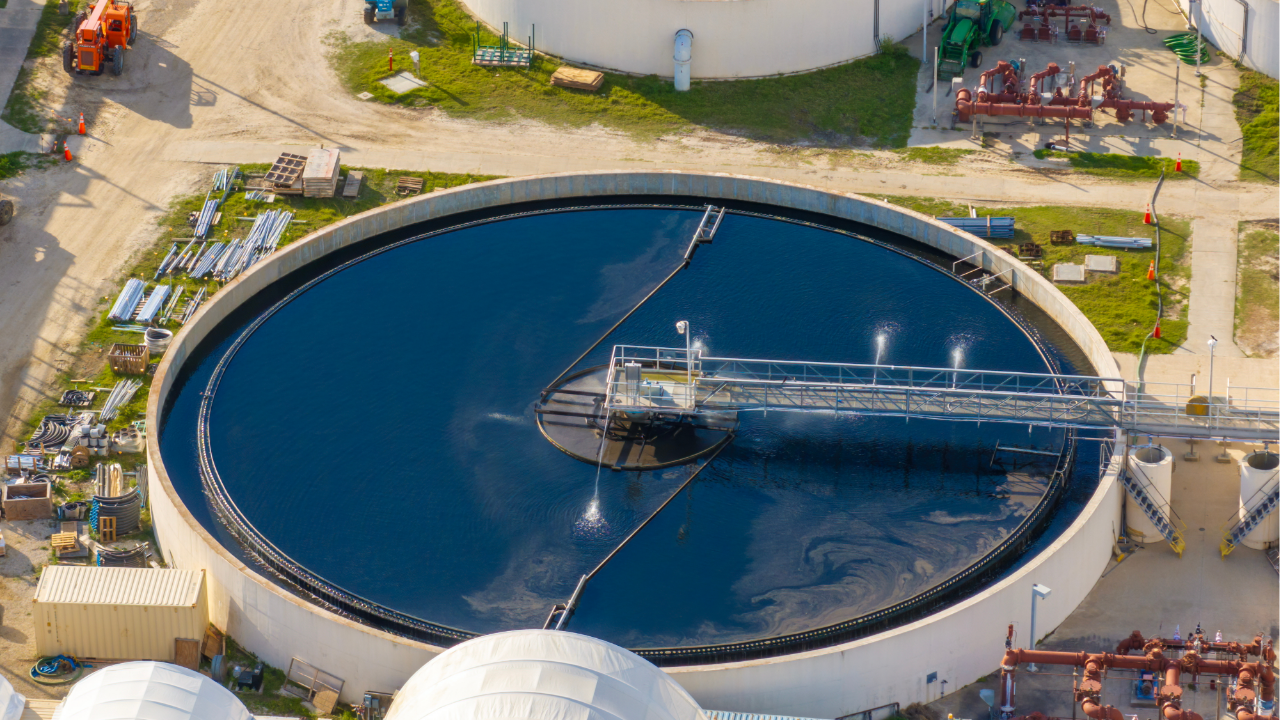
Water is one of the most critical resources in industrial operations, yet it is often overlooked until shortages, contamination, compliance violations, or operational failures begin affecting productivity. Industrial water treatment helps businesses manage water quality, reduce environmental impact, protect equipment, and comply with increasingly strict wastewater regulations.
From manufacturing plants and oil & gas operations to resorts, municipalities, and commercial facilities, modern industries rely on advanced water treatment solutions to ensure clean, reusable, and compliant water systems.
At its core, industrial water treatment involves treating raw water, process water, and wastewater through specialized technologies designed to remove contaminants, improve water quality, and support sustainable water management practices.
Companies like H4 Waterworks help organizations worldwide implement customized industrial grade water and wastewater treatment systems that improve operational efficiency while supporting environmental sustainability goals.
The Growing Global Water Challenge
Industrial growth, urban expansion, and climate related pressures are placing enormous strain on global water resources. Industrial wastewater pollution remains one of the leading contributors to freshwater contamination worldwide.
Many industries generate wastewater containing:
Heavy metals
Chemicals
Oils and grease
High Total Dissolved Solids (TDS)
Organic contaminants
Biological pollutants
Suspended solids
Without proper industrial wastewater treatment, these contaminants can damage ecosystems, violate environmental regulations, and create serious public health concerns.
At the same time, industries face increasing pressure to:
Reduce water consumption
Improve wastewater recycling
Lower operating costs
Achieve ESG and sustainability targets
Meet industrial discharge standards
Optimize utility water management
This is where advanced wastewater management solutions become essential.
What Is Industrial Water Treatment?
Industrial water treatment is the process of improving water quality for industrial use, reuse, discharge, or environmental compliance.
The goal is to ensure water is suitable for specific industrial applications while minimizing waste, protecting infrastructure, and supporting sustainable operations.
Industrial water treatment can involve:
Water purification systems
Reverse osmosis systems
Ultrafiltration systems
Effluent treatment plants
Sewage treatment plants
Desalination systems
Sludge treatment systems
Industrial filtration technologies
Wastewater recycling systems
Smart water monitoring platforms
Depending on the industry and application, treatment systems may focus on:
Removing contaminants
Reducing BOD and COD levels
Controlling TDS
Eliminating pathogens
Recovering reusable water
Managing industrial effluent
Supporting zero liquid discharge initiatives
For industries looking to understand why advanced treatment solutions are becoming increasingly critical in manufacturing and infrastructure, this detailed article on industrial water treatment for modern manufacturing plants provides additional insight into operational and sustainability benefits.
How Industrial Water Treatment Systems Work
Industrial water treatment systems typically involve multiple stages designed to remove different categories of contaminants.
1. Preliminary Treatment
This stage removes large debris, suspended solids, and coarse contaminants through screening and filtration systems.
Common technologies include:
Mechanical screens
Sedimentation tanks
Grit chambers
Dissolved air flotation systems
2. Primary Treatment
Primary treatment focuses on separating oils, grease, sludge, and suspended solids from wastewater.
This process helps reduce the load on downstream treatment equipment and improves overall system efficiency.
3. Secondary Biological Treatment
Biological wastewater treatment uses microorganisms to break down organic pollutants and reduce Biological Oxygen Demand (BOD).
Technologies may include:
Activated sludge systems
Membrane bioreactor systems
Aeration systems
Biological treatment systems
4. Tertiary Treatment
Tertiary treatment provides advanced purification and polishing for water reuse or safe discharge.
This stage may involve:
Reverse osmosis systems
Ultrafiltration systems
Nanofiltration technology
Advanced oxidation processes
Membrane filtration
UV disinfection
5. Sludge Treatment and Disposal
Waste generated during treatment must also be managed responsibly using sludge treatment systems and dewatering technologies.
Why Industrial Water Treatment Matters
Environmental Protection
Untreated industrial wastewater can contaminate rivers, groundwater, and ecosystems. Proper industrial effluent treatment helps reduce pollution while supporting environmental sustainability.
Regulatory Compliance
Industries must comply with increasingly strict wastewater discharge regulations and water quality standards. Noncompliance can lead to penalties, shutdowns, and reputational damage.
Equipment Protection
Untreated water can cause:
Scaling
Corrosion
Fouling
Membrane damage
Reduced equipment lifespan
Water purification systems help protect critical industrial infrastructure and reduce maintenance costs. Facilities often benefit from professional maintenance solutions to improve long term system reliability.
Water Conservation
Water scarcity is becoming a major global challenge. Water recycling systems and water reuse technologies help industries conserve resources and reduce dependence on freshwater supplies.
Operational Efficiency
Smart water management improves:
Process reliability
Utility efficiency
Production uptime
Resource optimization
Energy savings
Sustainability Goals
Many organizations now prioritize sustainable water infrastructure and ESG initiatives. Advanced wastewater recycling solutions support long term sustainability commitments.
Key Technologies Used in Modern Water Treatment Solutions
Reverse Osmosis Systems
A reverse osmosis system removes dissolved salts, contaminants, and impurities using semi permeable membranes.
RO water treatment is widely used in:
Industrial RO plants
Desalination systems
Boiler feed water treatment
Process water purification
Ultrafiltration Systems
Ultrafiltration systems use membrane filtration to remove suspended solids, bacteria, and pathogens while maintaining high water quality.
These systems are commonly used before RO treatment to protect membranes and improve efficiency.
Membrane Bioreactor Systems
Membrane bioreactor systems combine biological treatment with membrane separation, creating highly efficient wastewater treatment systems with smaller footprints and improved water reuse potential.
Dissolved Air Flotation
Dissolved air flotation systems remove oils, grease, and suspended solids using microbubbles that float contaminants to the surface for removal.
Desalination Systems
Desalination solutions convert seawater or brackish water into usable water supplies for industrial and municipal applications.
These systems are increasingly important in regions facing severe water scarcity.
Smart Water Monitoring Systems
Modern treatment plant automation and smart monitoring systems provide:
Real time analytics
Remote monitoring
Predictive maintenance
Water quality tracking
Utility optimization
Smart water management continues to shape the future of industrial infrastructure development.
Industrial Applications of Water Treatment Systems
Industrial water treatment is essential across multiple sectors.
Manufacturing Facilities
Manufacturers rely on industrial filtration and wastewater recycling systems to manage process water and maintain operational continuity. Businesses evaluating facility performance may also benefit from insights shared in this article about signs your business needs an effluent treatment plant upgrade.
Oil & Gas Operations
Oil & gas facilities require advanced industrial wastewater treatment to manage produced water, drilling fluids, and contaminated wastewater streams.
Municipal Infrastructure
Municipal corporations use sewage treatment plants and potable water treatment systems to deliver clean water and protect public health.
Resorts and Commercial Developments
Hotels, resorts, and large commercial properties increasingly adopt wastewater reuse systems to reduce water consumption and support sustainability goals. Supporting infrastructure such as irrigation services can also help optimize long term water resource management.
Food & Beverage Industry
Food processing facilities require high quality water purification systems to maintain hygiene standards and regulatory compliance.
Power Plants
Power generation facilities depend on industrial water reuse and high purity process water systems for cooling and steam generation.
Common Mistakes Industries Make
Choosing Generic Systems
Every facility has unique water chemistry and operational requirements. Off the shelf systems may not deliver reliable long term performance.
Customized industrial water treatment solutions are often more effective and cost efficient.
Ignoring Preventive Maintenance
Even the best wastewater treatment systems require regular maintenance and operational monitoring.
Poor maintenance can lead to:
Membrane fouling
Reduced efficiency
Compliance failures
Increased operating costs
Underestimating Water Reuse Opportunities
Many facilities discharge water that could be recycled and reused within operations.
Water recycling systems can significantly reduce utility costs and freshwater consumption.
Lack of Automation
Without treatment plant automation and smart monitoring systems, facilities may struggle to identify performance issues early.
Modern automation improves efficiency, compliance, and operational reliability.
Best Practices for Sustainable Water Management
Conduct Regular Water Audits
Water audits help identify inefficiencies, leaks, reuse opportunities, and treatment optimization areas.
Invest in Scalable Systems
Facilities should choose modular systems capable of adapting to future operational growth and regulatory changes. Strategic system upgrades can improve scalability while supporting long term operational efficiency.
Prioritize Water Reuse Technologies
Industrial water reuse reduces operating costs while supporting environmental sustainability initiatives.
Use Real Time Monitoring
Smart water management systems improve visibility and decision making through data driven operations.
Partner with Experienced Water Treatment Experts
Working with experienced providers like the H4 Waterworks About Page helps organizations develop customized solutions aligned with operational goals and compliance requirements.
Future Trends in Industrial Water Treatment
The future of industrial water treatment is being shaped by sustainability, automation, and resource recovery.
Key emerging trends include:
Zero Liquid Discharge (ZLD)
Zero liquid discharge systems aim to eliminate wastewater discharge entirely by recovering reusable water and minimizing waste streams.
AI Driven Smart Water Management
Artificial intelligence and predictive analytics are transforming wastewater operations management and utility optimization.
Advanced Membrane Technologies
Next generation nanofiltration technology and membrane filtration systems are improving efficiency while reducing energy consumption.
Decentralized Water Infrastructure
More facilities are implementing onsite treatment and water reuse systems to improve resilience and reduce dependence on centralized utilities.
Energy Efficient Treatment Systems
Modern environmental engineering solutions increasingly focus on reducing both water and energy consumption.
How H4 Waterworks Supports Sustainable Water Infrastructure
As a global provider of industrial water treatment and wastewater management solutions, H4 Waterworks Services delivers customized systems designed for complex industrial and municipal applications.
Their solutions include:
Industrial wastewater treatment systems
Reverse osmosis systems
Ultrafiltration systems
Sewage treatment plants
Effluent treatment plants
Water recycling systems
Desalination solutions
Smart water monitoring technologies
Plant maintenance and operations support
By combining engineering expertise with sustainable infrastructure strategies, H4 Waterworks helps organizations improve efficiency, achieve compliance, and reduce environmental impact.
Facilities managing water infrastructure expansion may also require dependable support systems such as well pump installation to maintain reliable water supply operations.
Frequently Asked Questions
What is industrial water treatment?
Industrial water treatment is the process of treating water used in industrial operations to improve quality, remove contaminants, support reuse, and meet environmental regulations.
Why are wastewater treatment systems important?
Wastewater treatment systems help industries reduce pollution, comply with environmental standards, protect equipment, and conserve water resources.
What is the difference between a sewage treatment plant and an effluent treatment plant?
A sewage treatment plant treats domestic wastewater and sewage, while an effluent treatment plant is specifically designed for industrial wastewater containing chemicals and industrial contaminants.
How does a reverse osmosis system work?
A reverse osmosis system uses semi permeable membranes to remove dissolved salts, impurities, and contaminants from water.
What industries use industrial wastewater treatment systems?
Industries including manufacturing, oil & gas, food processing, power generation, pharmaceuticals, hospitality, and municipal utilities all rely on industrial wastewater treatment systems.
What are the benefits of water recycling systems?
Water recycling systems reduce freshwater consumption, lower operational costs, improve sustainability, and support water conservation initiatives.
What is zero liquid discharge?
Zero liquid discharge is an advanced treatment approach that recovers reusable water while minimizing or eliminating wastewater discharge.
Why is sustainable water management important?
Sustainable water management helps industries conserve water resources, reduce environmental impact, improve operational resilience, and support long term sustainability goals.
Conclusion
Industrial water treatment is no longer just an operational necessity. It has become a critical component of sustainable infrastructure, environmental responsibility, and long term business resilience.
As industries face growing pressure from water scarcity, environmental regulations, and rising operational costs, investing in advanced water treatment solutions and wastewater management systems is essential.
From reverse osmosis systems and industrial filtration technologies to wastewater recycling and smart water management platforms, modern treatment systems help organizations improve efficiency while protecting valuable water resources.
Organizations seeking tailored solutions for industrial, municipal, and commercial applications can connect through the H4 Waterworks Contact Page to explore sustainable water infrastructure strategies and customized treatment systems.
Whether the requirement is a sewage treatment plant, industrial RO plant, desalination system, or advanced wastewater recycling infrastructure, H4 Waterworks delivers expert engineering solutions designed for long term operational success.