
Top Wastewater Treatment Challenges in Manufacturing Industries
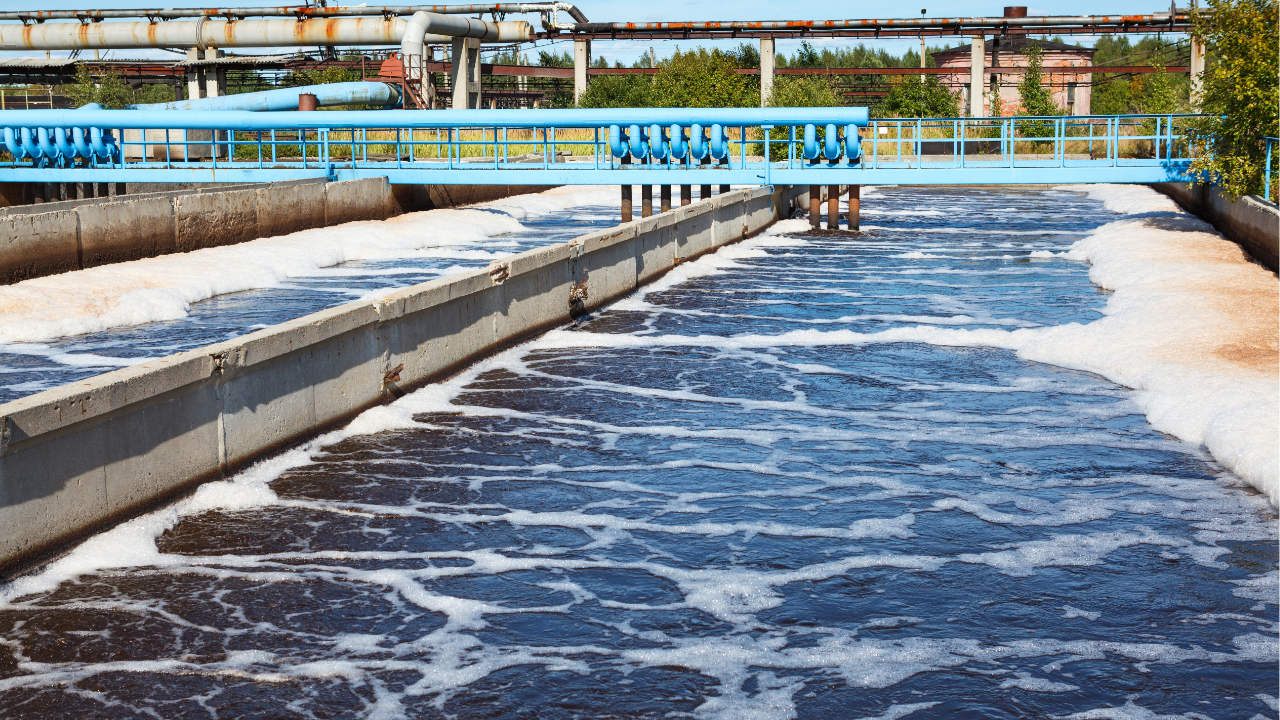
Manufacturing industries depend heavily on water for production, cooling, cleaning, processing, and utility operations. At the same time, they generate large volumes of contaminated wastewater containing chemicals, oils, heavy metals, suspended solids, organic pollutants, and high Total Dissolved Solids (TDS). As environmental regulations become stricter and water scarcity continues to affect industries worldwide, businesses are under growing pressure to invest in smarter and more sustainable wastewater treatment systems.
For manufacturers, wastewater treatment is no longer just about compliance. It has become a critical part of operational efficiency, environmental sustainability, cost reduction, and long term business resilience.
Companies like H4 Waterworks are helping industrial facilities worldwide implement advanced water treatment solutions that improve water quality, support wastewater recycling, and reduce environmental impact through customized industrial grade systems.
Why Wastewater Treatment Is a Major Challenge for Manufacturing Industries
Manufacturing wastewater is highly complex because every industry generates different contaminants and discharge profiles. Food processing plants produce organic waste and grease, textile industries discharge dyes and chemicals, while oil and gas facilities generate wastewater containing hydrocarbons and dissolved solids.
The biggest challenge is that a single wastewater treatment system rarely fits every industrial application.
Industrial facilities must balance:
Regulatory compliance
Operational efficiency
Treatment costs
Water reuse goals
Environmental sustainability
Production continuity
Without proper industrial wastewater treatment, facilities risk regulatory fines, equipment damage, environmental contamination, and increased operating expenses.
As highlighted in this published article on why industrial water treatment is essential for modern manufacturing plants, modern industries are increasingly recognizing water treatment as a strategic operational investment rather than simply an environmental obligation.
According to global environmental studies, industrial wastewater contributes significantly to freshwater pollution worldwide, making sustainable water management a top priority for governments and industries alike.
What Is Industrial Wastewater Treatment?
Industrial wastewater treatment refers to the process of removing contaminants, pollutants, chemicals, and suspended solids from water generated during manufacturing and industrial operations before discharge, reuse, or recycling.
Modern wastewater treatment systems typically combine physical, chemical, and biological treatment methods to achieve water quality compliance and meet industrial discharge standards.
These systems may include:
Effluent treatment plant technologies
Sewage treatment plant integration
Reverse osmosis systems
Ultrafiltration systems
Membrane bioreactor systems
Dissolved air flotation units
Sludge treatment systems
Advanced oxidation process technologies
Water recycling systems
Smart water monitoring solutions
The ultimate goal is to create cleaner, reusable water while minimizing waste and protecting environmental resources.
Manufacturers looking to better understand the fundamentals of industrial water purification can also explore this detailed guide on what industrial water treatment is and why it matters.
The Top Wastewater Treatment Challenges in Manufacturing Industries
1. Managing High TDS and Chemical Contamination
One of the most common wastewater challenges in manufacturing is controlling high levels of TDS, chemicals, salts, solvents, and heavy metals.
Industries such as pharmaceuticals, textiles, power plants, mining, and chemical manufacturing often produce wastewater with extremely high contaminant concentrations. Traditional filtration systems alone may not achieve the required purification levels.
This is where advanced RO water treatment and nanofiltration technology become essential.
A properly engineered reverse osmosis system can help industries:
Reduce dissolved solids
Improve water purity
Support wastewater reuse
Meet environmental discharge standards
Lower freshwater consumption
Many industrial RO plants are now integrated with smart monitoring systems that provide real time data for improved treatment plant automation and operational efficiency.
2. Meeting Strict Environmental Regulations
Governments and environmental agencies worldwide are enforcing tighter wastewater compliance standards to reduce industrial pollution.
Manufacturing facilities must now comply with regulations related to:
BOD reduction
COD removal
TDS control
Sludge disposal
Chemical discharge limits
Biological wastewater treatment performance
Water reuse mandates
Failing to comply can result in heavy penalties, operational shutdowns, and reputational damage.
Modern wastewater management solutions help manufacturers maintain compliance through automated monitoring, advanced membrane filtration, and optimized treatment processes.
Customized environmental engineering solutions are especially important because regulations vary depending on the region, industry, and discharge destination.
3. Rising Water Scarcity and Water Reuse Demands
Water scarcity is becoming a serious concern for industrial facilities across many regions of the world. Manufacturing plants that rely heavily on freshwater supplies are increasingly adopting water reuse technologies and wastewater recycling systems to reduce dependency on municipal water sources.
Industrial water reuse allows facilities to recycle treated wastewater for:
Cooling towers
Boiler feed systems
Process water applications
Irrigation
Utility operations
This approach reduces operational costs while supporting water sustainability solutions and environmental goals.
Advanced water recycling systems combined with ultrafiltration systems and tertiary treatment technologies can significantly improve recovery rates and reduce wastewater discharge volumes. Facilities managing water distribution infrastructure may also benefit from dependable well pump installation solutions to support long term operational continuity.
4. Handling Variable Wastewater Quality
Manufacturing wastewater quality often fluctuates based on production schedules, raw materials, seasonal demand, and operational changes.
This variability creates challenges for wastewater treatment systems because inconsistent flow rates and contaminant loads can disrupt treatment efficiency.
For example:
Food processing facilities may experience organic load spikes
Textile manufacturers may discharge varying dye concentrations
Metal finishing plants may produce intermittent heavy metal contamination
Flexible wastewater treatment systems with smart water management capabilities help facilities adapt to changing conditions in real time.
Modern treatment plant automation technologies use sensors and AI based monitoring systems to optimize chemical dosing, filtration performance, and biological treatment operations.
5. Sludge Management and Disposal Costs
Wastewater treatment generates sludge as a byproduct of contaminant removal. Improper sludge treatment systems can create additional environmental and financial burdens for manufacturers.
Sludge handling challenges include:
High disposal costs
Transportation expenses
Odor management
Regulatory compliance
Dewatering efficiency
Industries are increasingly investing in sludge reduction technologies and zero liquid discharge systems to minimize waste generation and improve sustainability.
Zero liquid discharge systems recover valuable water while reducing environmental impact and lowering long term disposal costs.
Businesses evaluating infrastructure improvements often benefit from understanding the warning indicators covered in this article about top signs your business needs an effluent treatment plant upgrade.
6. High Energy Consumption in Treatment Operations
Industrial water treatment and wastewater filtration processes can consume large amounts of energy, especially in large manufacturing facilities.
Energy intensive systems include:
Industrial RO plants
Desalination systems
Aeration equipment
Pumping stations
Thermal treatment technologies
To improve energy efficiency, many industries are adopting:
Smart monitoring systems
Energy efficient pumps
Variable frequency drives
Advanced membrane filtration
Optimized biological treatment systems
Sustainable infrastructure planning plays a major role in reducing operating costs while improving environmental performance. Many facilities also rely on professional maintenance solutions to improve system efficiency and reduce unexpected downtime.
Technologies Transforming Industrial Wastewater Treatment
Advanced technologies are helping industries overcome wastewater management challenges more effectively than ever before.
Reverse Osmosis Systems
Reverse osmosis systems remove dissolved salts, chemicals, and contaminants using semi permeable membranes. They are widely used in industrial water treatment, potable water treatment, desalination systems, and wastewater reuse applications.
Ultrafiltration Systems
Ultrafiltration systems use membrane filtration to remove suspended solids, bacteria, and large molecules from wastewater. These systems improve downstream treatment efficiency and water quality compliance.
Membrane Bioreactor Systems
A membrane bioreactor system combines biological wastewater treatment with membrane filtration technology to produce high quality treated water suitable for industrial water reuse.
These systems are increasingly used in manufacturing plants, municipal wastewater infrastructure, and sustainable water management projects.
Dissolved Air Flotation Systems
Dissolved air flotation systems remove oils, grease, and suspended solids by introducing fine air bubbles into wastewater. This technology is highly effective for food processing, oil and gas, and chemical industries.
Advanced Oxidation Process Technologies
Advanced oxidation process systems use chemical reactions to break down difficult pollutants that conventional treatment methods cannot remove effectively.
These systems are particularly useful for pharmaceutical, chemical, and industrial effluent treatment applications.
Key Benefits of Advanced Wastewater Treatment Systems
Manufacturers investing in modern water purification systems gain several operational and environmental advantages.
Improved Regulatory Compliance
Advanced treatment technologies help facilities meet wastewater compliance standards and avoid costly penalties.
Reduced Freshwater Consumption
Water recycling systems support industrial water reuse and reduce dependency on external water supplies.
Lower Operating Costs
Efficient filtration systems and smart water management technologies reduce maintenance, chemical usage, and energy expenses.
Better Environmental Sustainability
Eco friendly water treatment solutions help industries reduce pollution and support sustainability goals.
Enhanced Operational Reliability
Smart monitoring systems and treatment plant automation improve system performance and reduce downtime.
Industry Applications for Industrial Wastewater Treatment
Industrial wastewater treatment solutions are used across a wide range of industries, including:
Food and Beverage Manufacturing
Used for organic waste removal, wastewater recycling, and biological treatment systems.
Pharmaceutical Manufacturing
Requires advanced oxidation process technologies and membrane filtration for contaminant removal.
Textile and Dyeing Industries
Relies on industrial effluent treatment and TDS control systems.
Oil and Gas Operations
Uses dissolved air flotation, desalination systems, and industrial filtration technologies.
Power Generation Plants
Requires utility water management and industrial process water treatment systems.
Mining and Metal Processing
Uses groundwater treatment, heavy metal removal, and wastewater filtration technologies.
Common Wastewater Treatment Mistakes Manufacturing Facilities Should Avoid
Many industries struggle with wastewater operations management because of avoidable mistakes.
Choosing Generic Systems
Every manufacturing facility has unique wastewater characteristics. Standardized systems often fail to deliver long term efficiency.
Ignoring Preventive Maintenance
Poor maintenance can reduce treatment efficiency, increase downtime, and shorten equipment lifespan.
Underestimating Future Capacity Needs
Facilities should design systems with future expansion and increased wastewater volumes in mind.
Neglecting Smart Monitoring Technologies
Without real time monitoring, industries may miss performance issues that affect compliance and operating costs.
Focusing Only on Initial Cost
The cheapest system is not always the most cost effective long term solution. Lifecycle performance and operational efficiency matter more.
Best Practices for Sustainable Water Management in Manufacturing
To improve wastewater management performance, manufacturers should follow several proven strategies.
Conduct Detailed Water Audits
Water audits identify inefficiencies, water losses, and opportunities for wastewater reuse.
Invest in Customized Water Treatment Solutions
Tailored systems deliver better performance than one size fits all approaches.
Integrate Water Recycling Systems
Wastewater recycling reduces freshwater demand and supports sustainability initiatives.
Use Smart Water Monitoring
Digital monitoring technologies improve efficiency, compliance, and predictive maintenance.
Plan for Long Term Sustainability
Sustainable infrastructure investments help facilities adapt to future environmental and operational challenges.
Manufacturers seeking tailored engineering expertise can explore the complete range of industrial water treatment services designed to support wastewater treatment optimization, recycling, and sustainability goals.
Future Trends in Industrial Wastewater Treatment
The future of industrial wastewater treatment is increasingly driven by automation, sustainability, and water reuse innovation.
Emerging trends include:
AI powered treatment plant automation
Smart water management platforms
Advanced membrane filtration technologies
Energy efficient desalination systems
Industrial zero liquid discharge solutions
Decentralized wastewater treatment systems
Resource recovery from wastewater
Carbon reduction strategies in water infrastructure
Industries are also shifting toward circular water economies where treated wastewater becomes a reusable resource rather than a disposal challenge.
This transition will play a major role in addressing global water scarcity solutions and environmental sustainability goals. Businesses interested in additional industry insights and emerging technologies can explore the latest resources available through the H4 Waterworks blog.
Frequently Asked Questions About Wastewater Treatment in Manufacturing
What is the biggest wastewater treatment challenge for manufacturing industries?
The biggest challenge is managing varying wastewater quality while meeting strict environmental regulations and controlling operational costs.
Why are water recycling systems important for manufacturers?
Water recycling systems help reduce freshwater consumption, lower operating costs, and support sustainable water management initiatives.
What industries require industrial wastewater treatment?
Industries such as pharmaceuticals, food processing, textiles, oil and gas, mining, power generation, and chemical manufacturing all require industrial wastewater treatment systems.
How do reverse osmosis systems improve water quality?
Reverse osmosis systems remove dissolved salts, contaminants, and impurities using membrane filtration technology, producing cleaner water for reuse or discharge.
What is zero liquid discharge?
Zero liquid discharge is an advanced treatment approach that recovers reusable water while minimizing wastewater disposal and environmental impact.
Why is smart water management becoming more important?
Smart water management systems improve monitoring, automation, efficiency, and regulatory compliance while reducing operational risks.
Conclusion
Manufacturing industries face growing pressure to improve wastewater management solutions, reduce environmental impact, and support sustainable water infrastructure. From wastewater recycling and industrial filtration to advanced reverse osmosis systems and smart monitoring technologies, modern water treatment solutions are essential for long term operational success.
As water scarcity, environmental regulations, and sustainability expectations continue to evolve, manufacturers need reliable partners who understand complex industrial wastewater treatment challenges.
Learn more about the company’s expertise and engineering approach on the H4 Waterworks About page.
If your facility is looking to improve wastewater compliance, reduce operational costs, enhance water reuse, or modernize treatment infrastructure, connect with the technical experts through the H4 Waterworks Contact page to request a consultation and explore advanced water and wastewater treatment solutions tailored to your operations.