
Reverse Osmosis Systems: How They Work for Industrial Applications
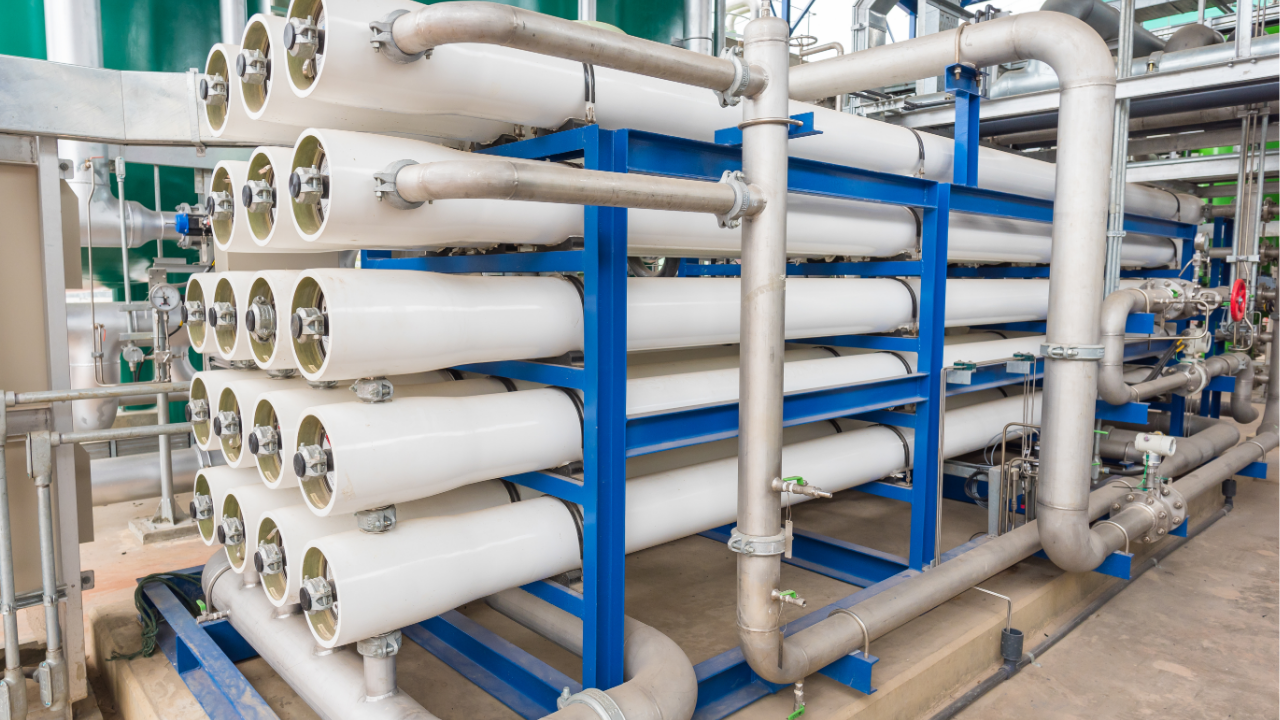
Water quality plays a critical role in industrial performance, operational efficiency, and environmental compliance. From manufacturing plants and power stations to pharmaceutical facilities and food processing industries, businesses rely on advanced water treatment solutions to maintain consistent production standards and reduce operational risks.
Among the most effective technologies used in industrial water treatment today is the reverse osmosis system. Known for its ability to remove dissolved salts, contaminants, chemicals, and impurities, reverse osmosis has become an essential part of modern wastewater treatment systems, water recycling systems, and sustainable water management strategies.
As industries face increasing pressure to reduce water consumption, improve wastewater recycling, and meet stricter environmental regulations, industrial reverse osmosis systems are helping organizations achieve cleaner water, lower operating costs, and better long term sustainability.
Companies like H4 Waterworks provide customized industrial water treatment and wastewater management solutions designed to support complex industrial operations across global markets.
What Is a Reverse Osmosis System?
A reverse osmosis system is a water purification technology that removes dissolved solids, contaminants, salts, heavy metals, bacteria, and other impurities from water using a semi permeable membrane.
In simple terms, the system forces water through specialized membranes under pressure. These membranes allow clean water molecules to pass through while blocking unwanted contaminants.
Reverse osmosis systems are widely used in:
Industrial water treatment
Wastewater treatment systems
Desalination systems
Potable water treatment
Industrial wastewater treatment
Water reuse technologies
Utility water management
Industrial process water purification
RO water treatment is especially valuable for industries that require high purity water for production processes, equipment protection, and regulatory compliance.
Businesses exploring broader industrial water strategies can also learn more through this detailed guide on industrial water treatment solutions.
How Reverse Osmosis Systems Work
The reverse osmosis process works by applying pressure to contaminated water and forcing it through membrane filtration technology.
Here’s a simplified breakdown of how industrial RO plants operate.
1. Pre Treatment Stage
Before water reaches the RO membranes, it typically passes through multiple filtration systems designed to protect the membranes from damage and fouling.
Pre treatment may include:
Multimedia filtration
Activated carbon filtration
Ultrafiltration systems
Chemical dosing
Sediment filtration
Water softening systems
This stage removes suspended solids, chlorine, oils, organic matter, and large particles that could reduce membrane efficiency.
Proper pre treatment is one of the most important factors in extending membrane lifespan and maintaining system performance. Facilities that prioritize long term equipment reliability often invest in professional maintenance solutions to ensure uninterrupted operations.
2. High Pressure Pumping
Once pre treated, the water enters a high pressure pump system.
The pump generates enough pressure to overcome natural osmotic pressure and force water through the semi permeable membranes.
Pressure levels vary depending on:
Water source quality
TDS concentration
Industrial application
Desired recovery rate
For example, seawater desalination systems require significantly higher pressure than groundwater treatment applications.
Industrial sites that rely on groundwater extraction may also benefit from specialized well pump installation services to support efficient water intake and distribution.
3. Membrane Separation Process
The core of the reverse osmosis system is the membrane filtration stage.
During this process:
Clean water passes through the membrane
Dissolved salts and contaminants are rejected
Concentrated wastewater is discharged or further treated
RO membranes can remove:
Dissolved solids
Heavy metals
Bacteria
Viruses
Organic contaminants
Industrial chemicals
Nitrates and sulfates
This makes reverse osmosis one of the most effective water purification systems available for industrial use.
Industries facing evolving treatment demands often explore system upgrades to improve efficiency, recovery rates, and automation capabilities.
4. Post Treatment and Water Distribution
After filtration, treated water may undergo additional polishing processes depending on industrial requirements.
Post treatment options may include:
UV disinfection
pH adjustment
Remineralization
Advanced oxidation process technologies
Storage and distribution systems
The purified water is then reused for industrial operations, utility water management, or potable applications.
Why Industrial Reverse Osmosis Systems Matter
Industrial facilities use massive amounts of water every day. Poor water quality can damage equipment, reduce production efficiency, and increase maintenance costs.
Reverse osmosis systems help industries solve these challenges while supporting sustainable water management goals.
Key benefits include:
Improved water quality compliance
Reduced scaling and corrosion
Better equipment protection
Lower chemical usage
Increased wastewater reuse
Reduced freshwater consumption
Improved environmental sustainability
Enhanced operational reliability
For industries facing water scarcity challenges, industrial water reuse through RO water treatment is becoming increasingly important.
A related article on why industrial water treatment is essential for modern manufacturing plants further explains how advanced treatment systems improve manufacturing efficiency and compliance.
Common Industrial Applications of Reverse Osmosis Systems
Reverse osmosis systems are used across many industrial sectors because of their versatility and efficiency.
Manufacturing Industries
Manufacturing facilities use industrial RO plants for:
Process water treatment
Boiler feed water
Cooling tower makeup water
Wastewater recycling
Industrial filtration
High purity water improves production consistency while reducing maintenance costs.
Many manufacturers also encounter operational issues tied to wastewater quality, which are discussed in this guide on top wastewater treatment challenges in manufacturing industries.
Food and Beverage Processing
Food manufacturers rely on water purification systems to maintain hygiene standards and product quality.
RO systems help remove:
Minerals
Bacteria
Chlorine
Organic contaminants
This ensures compliance with food safety and water quality regulations.
Pharmaceutical and Healthcare Facilities
Pharmaceutical production requires extremely pure water for manufacturing, cleaning, and laboratory operations.
Industrial reverse osmosis systems support:
Sterile water production
Cleanroom operations
Process consistency
Regulatory compliance
Power Generation Plants
Power facilities use RO water treatment to prevent scaling and corrosion in boilers and turbines.
Proper water treatment improves:
Equipment lifespan
Energy efficiency
Plant reliability
Oil and Gas Operations
Oil and gas industries use reverse osmosis systems for industrial wastewater treatment, desalination systems, and produced water management.
These applications help reduce environmental impact while supporting wastewater recycling initiatives.
Mining and Metal Processing
Mining operations use industrial water treatment technologies to manage contaminated water containing heavy metals and suspended solids.
RO systems help facilities achieve wastewater compliance and support industrial water reuse programs.
Key Components of Industrial Reverse Osmosis Systems
Industrial reverse osmosis systems contain several important components that work together to achieve efficient water purification.
RO Membranes
The membrane is the heart of the system. Modern membrane filtration technology is designed for high contaminant rejection and long operational life.
Pressure Vessels
Pressure vessels house the membranes and withstand high operating pressures.
High Pressure Pumps
These pumps generate the force required for reverse osmosis separation.
Monitoring and Automation Systems
Smart monitoring systems provide real time performance tracking for:
Flow rates
Pressure levels
Conductivity
TDS control
Membrane performance
Treatment plant automation improves operational efficiency and predictive maintenance.
Chemical Dosing Systems
Chemical treatment helps control scaling, fouling, and biological growth.
Challenges in Industrial RO Water Treatment
While reverse osmosis systems are highly effective, industries must manage several operational challenges.
Membrane Fouling
Contaminants can build up on membranes over time, reducing efficiency and increasing energy consumption.
Common causes include:
Biological growth
Suspended solids
Oil contamination
Chemical scaling
Proper pre treatment and routine maintenance help minimize fouling.
Energy Consumption
Industrial RO plants require significant energy for high pressure pumping operations.
Energy efficient technologies and smart water management systems are helping reduce operational costs.
Brine Disposal
Reverse osmosis produces concentrated reject water known as brine.
Facilities must properly manage this wastewater to maintain environmental compliance.
Some industries use zero liquid discharge systems to recover additional water and minimize waste disposal.
System Maintenance
Routine inspections, membrane cleaning, and preventive maintenance are essential for long term system reliability.
Ignoring maintenance can lead to costly downtime and reduced water quality performance.
Businesses evaluating aging infrastructure may find this article on signs your business needs an effluent treatment plant upgrade especially useful.
Technologies That Improve Reverse Osmosis Performance
Modern industrial water treatment systems often integrate reverse osmosis with additional technologies to improve efficiency and sustainability.
Ultrafiltration Systems
Ultrafiltration systems improve membrane protection by removing suspended solids before RO treatment.
Nanofiltration Technology
Nanofiltration technology helps remove specific contaminants while reducing energy consumption.
Smart Water Monitoring
Digital monitoring platforms provide real time analytics and predictive maintenance capabilities.
Advanced Oxidation Process Technologies
These systems help remove difficult contaminants that traditional filtration cannot fully eliminate.
Water Recycling Systems
Integrated water recycling systems maximize recovery rates and reduce freshwater demand.
Organizations seeking broader infrastructure insights can explore additional resources through the H4 Waterworks blog.
Best Practices for Industrial Reverse Osmosis Systems
Industries can improve system performance and lifespan by following proven operational practices.
Invest in Proper Pre Treatment
Strong pre treatment reduces membrane fouling and improves efficiency.
Monitor Water Quality Regularly
Routine monitoring helps detect issues before they become costly problems.
Schedule Preventive Maintenance
Preventive maintenance improves reliability and extends equipment lifespan.
Optimize Recovery Rates
Balancing recovery rates helps reduce scaling and energy consumption.
Work With Experienced Water Treatment Experts
Customized industrial water treatment solutions deliver better long term performance than generic systems.
Industries managing agricultural or landscape operations may also benefit from professional irrigation services that support efficient water usage and sustainable resource management.
Future Trends in Reverse Osmosis and Industrial Water Treatment
The future of RO water treatment is focused on sustainability, automation, and higher efficiency.
Emerging innovations include:
AI driven treatment plant automation
Smart monitoring systems
Low energy membrane technology
Advanced wastewater reuse systems
Zero liquid discharge integration
Sustainable desalination systems
Digital water management platforms
Industries are increasingly viewing wastewater as a reusable resource rather than a disposal challenge.
This shift is accelerating investment in water reuse technologies and sustainable infrastructure worldwide.
Companies looking to partner with experienced water infrastructure providers can learn more about H4 Waterworks and their approach to industrial water management solutions.
Frequently Asked Questions About Reverse Osmosis Systems
What does a reverse osmosis system remove?
A reverse osmosis system removes dissolved salts, heavy metals, bacteria, chemicals, and other contaminants from water using membrane filtration.
Why are reverse osmosis systems important in industrial water treatment?
Industrial reverse osmosis systems improve water quality, protect equipment, support wastewater recycling, and help facilities meet environmental regulations.
What industries use RO water treatment systems?
Industries including manufacturing, pharmaceuticals, food processing, mining, oil and gas, and power generation use RO water treatment systems.
What is the difference between reverse osmosis and ultrafiltration systems?
Reverse osmosis removes dissolved solids and salts, while ultrafiltration systems mainly remove suspended particles and microorganisms.
Can reverse osmosis systems support wastewater recycling?
Yes. Reverse osmosis systems are widely used in wastewater recycling and industrial water reuse applications.
What are the biggest maintenance concerns for RO systems?
Membrane fouling, scaling, and improper pre treatment are among the most common maintenance challenges.
Conclusion
As industries face increasing pressure to improve sustainability, reduce water consumption, and maintain strict environmental compliance, reverse osmosis systems have become a critical part of modern industrial water treatment strategies.
From wastewater recycling and desalination systems to industrial process water purification and utility water management, RO water treatment delivers cleaner water, improved efficiency, and long term operational reliability.
H4 Waterworks provides customized reverse osmosis systems, industrial wastewater treatment solutions, and sustainable water infrastructure designed for demanding industrial applications worldwide.
If your organization is looking to improve water quality, optimize wastewater recycling, or modernize industrial filtration systems, connect through the H4 Waterworks contact page to request a consultation and explore advanced water treatment solutions tailored to your operational needs.