
Benefits of Water Recycling Systems for Industrial Facilities
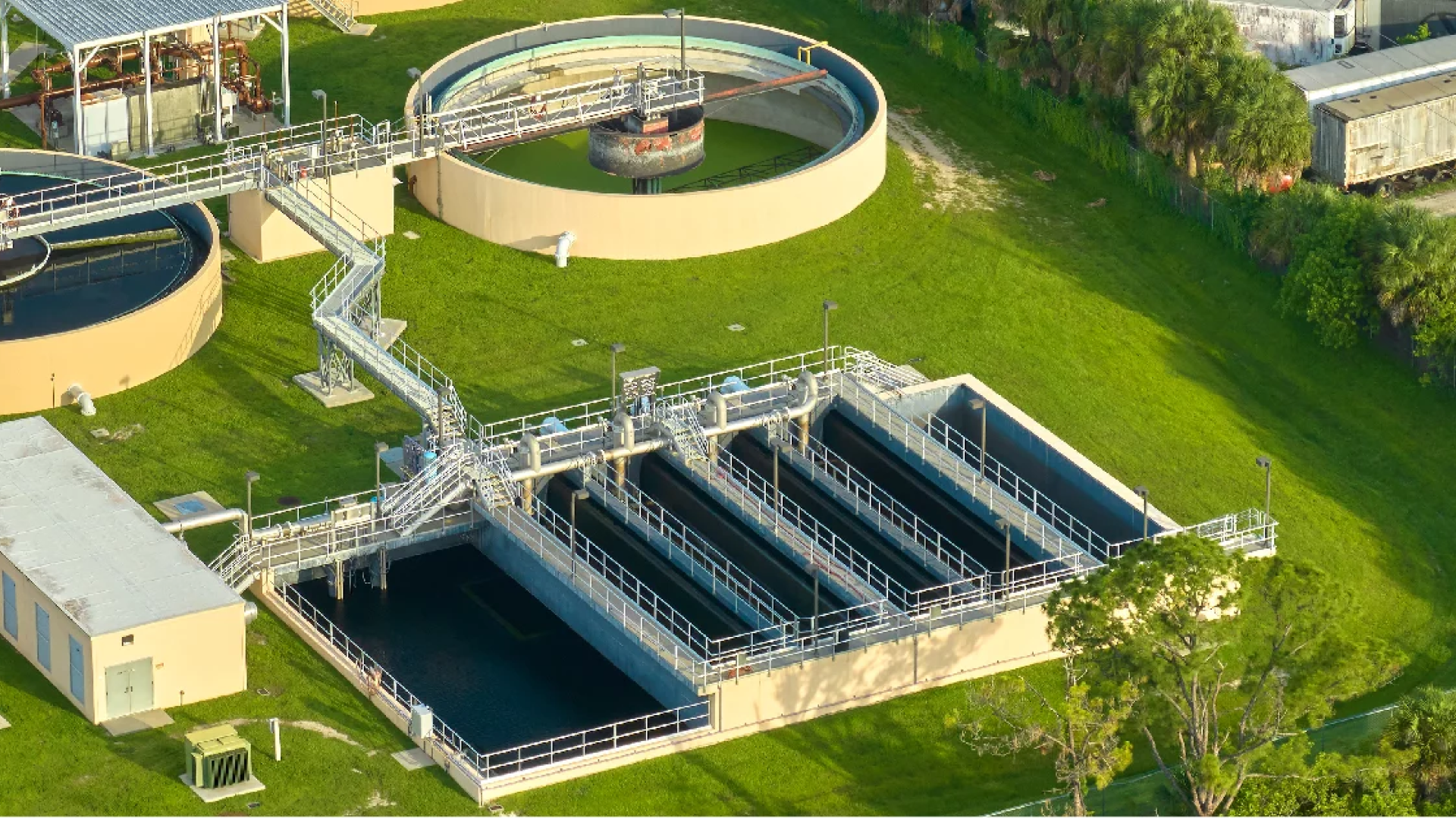
Water has become one of the most valuable operational resources for modern industries. Manufacturing plants, power stations, food processing facilities, pharmaceutical companies, mining operations, and commercial infrastructure projects all depend on large volumes of water for production, cleaning, cooling, processing, and utility operations.
At the same time, industries worldwide are facing rising water costs, stricter environmental regulations, increasing wastewater discharge restrictions, and growing concerns about water scarcity. These challenges are driving businesses to adopt smarter and more sustainable water management strategies.
One of the most effective solutions is implementing advanced water recycling systems.
Modern water recycling systems allow industrial facilities to recover, treat, and reuse wastewater for various operational processes. This not only reduces freshwater consumption but also improves sustainability, lowers operating costs, and supports long term environmental compliance.
Companies like H4 Waterworks help industries worldwide implement customized industrial water treatment and wastewater management solutions that support efficient water reuse and sustainable infrastructure development.
What Are Water Recycling Systems?
Water recycling systems are advanced wastewater treatment solutions designed to collect, treat, and reuse wastewater generated during industrial operations.
Instead of discharging wastewater after a single use, these systems purify and recycle water so it can be reused in industrial processes such as:
Cooling tower operations
Boiler feed systems
Process water applications
Equipment cleaning
Irrigation
Utility water management
Industrial washing systems
Industrial water recycling systems often combine multiple treatment technologies, including:
Reverse osmosis systems
Ultrafiltration systems
Membrane bioreactor systems
Biological treatment systems
Dissolved air flotation
Advanced oxidation process technologies
Industrial filtration systems
Smart water monitoring solutions
The goal is to maximize water recovery while maintaining water quality compliance and reducing environmental impact.
Businesses looking to understand the foundation of modern treatment infrastructure can also explore this guide on industrial water treatment and why it matters.
Why Water Recycling Is Becoming Essential for Industrial Facilities
Industries are under growing pressure to improve sustainable water management practices due to several global challenges.
These include:
Water scarcity
Rising utility costs
Environmental sustainability goals
Stricter wastewater compliance regulations
Increasing industrial water demand
Corporate ESG initiatives
Pressure to reduce freshwater dependency
Water recycling systems provide a practical and cost effective solution that helps facilities maintain operational efficiency while supporting long term sustainability goals.
For many industries, wastewater recycling is no longer optional. It is becoming a critical part of operational planning and environmental responsibility.
Key Benefits of Water Recycling Systems for Industrial Facilities
1. Reduced Freshwater Consumption
One of the biggest benefits of industrial water recycling systems is reducing dependence on freshwater supplies.
Industrial facilities consume massive amounts of water daily. Recycling treated wastewater helps businesses:
Preserve freshwater resources
Reduce municipal water usage
Improve drought resilience
Minimize operational disruptions caused by water shortages
This is especially important in regions facing water scarcity challenges or strict water usage regulations.
Water reuse technologies help industries create more resilient and sustainable operations.
2. Lower Operating Costs
Water costs continue to rise in many industrial regions worldwide. Facilities not only pay for incoming water but also for wastewater discharge and treatment.
Industrial water reuse significantly reduces:
Freshwater purchasing costs
Wastewater disposal fees
Sewer discharge charges
Chemical treatment expenses
Modern wastewater recycling systems improve operational efficiency by recovering reusable water from industrial wastewater treatment processes.
Over time, this can generate substantial cost savings for manufacturers and commercial facilities.
Companies focused on reducing long term operational expenses often invest in professional maintenance solutions to keep recycling systems operating at peak efficiency.
3. Improved Environmental Sustainability
Environmental sustainability has become a major priority for industries, investors, governments, and consumers.
Water recycling systems help companies reduce their environmental footprint by:
Minimizing wastewater discharge
Lowering freshwater extraction
Reducing pollution risks
Supporting eco friendly water treatment practices
Conserving natural water resources
Sustainable water management is increasingly tied to corporate environmental, social, and governance goals.
Industries that invest in wastewater recycling often strengthen their reputation as environmentally responsible organizations.
A related article on why industrial water treatment is essential for modern manufacturing plants explains how sustainable water infrastructure directly improves operational performance.
4. Better Regulatory Compliance
Industrial facilities must comply with strict environmental regulations related to wastewater discharge and industrial effluent treatment.
Regulatory agencies often monitor:
BOD reduction
TDS control
Chemical discharge levels
Sludge disposal
Industrial discharge standards
Water quality compliance
Advanced wastewater treatment systems and water reuse technologies help facilities maintain compliance while reducing the risk of fines or operational shutdowns.
Smart monitoring systems and treatment plant automation further improve compliance tracking and reporting accuracy.
Facilities dealing with aging treatment infrastructure may benefit from reviewing these signs your business needs an effluent treatment plant upgrade.
5. Increased Operational Reliability
Water shortages, supply disruptions, and infrastructure limitations can interrupt industrial operations and reduce productivity.
Industrial water recycling systems improve operational stability by creating an internal reusable water source.
This helps facilities maintain production continuity even during:
Municipal water restrictions
Drought conditions
Infrastructure failures
Supply chain disruptions
Reliable access to treated process water supports long term industrial resilience.
6. Support for Zero Liquid Discharge Strategies
Many industries are adopting zero liquid discharge systems to reduce wastewater disposal and maximize water recovery.
Zero liquid discharge technologies recover reusable water while minimizing environmental discharge.
Water recycling systems are a key component of these sustainable water management strategies.
Industries such as power generation, mining, pharmaceuticals, and chemical manufacturing increasingly rely on zero liquid discharge systems to meet environmental sustainability goals.
7. Enhanced Equipment Protection
Poor water quality can damage industrial equipment through:
Scaling
Corrosion
Fouling
Biological contamination
Properly treated recycled water helps protect:
Boilers
Cooling towers
Pumps
Heat exchangers
Industrial process equipment
Advanced filtration systems and RO water treatment technologies improve water quality while extending equipment lifespan and reducing maintenance costs.
Industrial sites managing water intake infrastructure may also benefit from reliable well pump installation services to support consistent operational performance.
8. Improved Corporate Sustainability and ESG Performance
Environmental sustainability reporting has become increasingly important for industrial organizations.
Water conservation technologies and wastewater recycling initiatives help companies demonstrate:
Responsible environmental practices
Sustainable infrastructure investment
Reduced environmental impact
Resource conservation leadership
This can improve relationships with:
Investors
Regulatory agencies
Customers
Local communities
Sustainability focused stakeholders
Technologies Used in Industrial Water Recycling Systems
Modern industrial water recycling systems use multiple treatment technologies depending on wastewater characteristics and reuse goals.
Reverse Osmosis Systems
Reverse osmosis systems remove dissolved salts, contaminants, and impurities through membrane filtration.
RO water treatment is widely used for:
Industrial water reuse
Desalination systems
High purity process water
Wastewater recycling
Facilities seeking higher treatment efficiency often explore system upgrades to modernize aging treatment infrastructure.
Ultrafiltration Systems
Ultrafiltration systems remove suspended solids, bacteria, and organic materials before advanced treatment stages.
These systems improve membrane protection and treatment efficiency.
Membrane Bioreactor Systems
A membrane bioreactor system combines biological wastewater treatment with membrane filtration to produce high quality reusable water.
This technology is highly effective for wastewater reuse applications.
Dissolved Air Flotation Systems
Dissolved air flotation systems remove oils, grease, and suspended solids from industrial wastewater.
These systems are commonly used in food processing, oil and gas, and manufacturing facilities.
Advanced Oxidation Process Technologies
Advanced oxidation process systems help break down difficult industrial contaminants that traditional biological treatment cannot fully remove.
Smart Water Monitoring Systems
Smart water management technologies provide real time monitoring of:
Water quality
System performance
Chemical dosing
Flow rates
Energy usage
Treatment plant automation improves efficiency and predictive maintenance.
Organizations looking for additional water infrastructure insights can browse the H4 Waterworks blog for more industry resources and operational guidance.
Industries That Benefit Most From Water Recycling Systems
Many industries are investing heavily in industrial water reuse technologies.
Manufacturing Industries
Manufacturers use wastewater recycling systems to reduce freshwater usage and improve sustainable operations.
Manufacturers also face ongoing compliance and operational challenges tied to wastewater management, many of which are explored in this article on top wastewater treatment challenges in manufacturing industries.
Food and Beverage Processing
Food facilities require clean water solutions for sanitation, processing, and cooling applications.
Pharmaceutical Manufacturing
Pharmaceutical operations use advanced water purification systems for high purity water production.
Oil and Gas Operations
Oil and gas facilities use industrial wastewater treatment and desalination systems to manage produced water.
Mining and Metal Processing
Mining operations recycle water to reduce freshwater dependency and improve environmental compliance.
Power Generation Plants
Power plants use recycled water for cooling systems and utility water management.
Common Mistakes to Avoid When Implementing Water Recycling Systems
Industrial facilities often face challenges when implementing wastewater recycling programs.
Choosing the Wrong Treatment Technology
Different industries generate different wastewater characteristics. Customized treatment systems are essential for effective performance.
Ignoring Maintenance Requirements
Poor maintenance can reduce treatment efficiency and increase operating costs.
Underestimating Future Water Demand
Facilities should plan systems with future expansion and increased production capacity in mind.
Focusing Only on Short Term Costs
Long term operational savings and sustainability benefits often outweigh initial installation costs.
Neglecting Automation and Monitoring
Smart monitoring systems improve efficiency, compliance, and predictive maintenance capabilities.
Best Practices for Industrial Water Recycling
To maximize the benefits of wastewater recycling systems, industries should follow several best practices.
Conduct Water Audits
Water audits identify areas for conservation and reuse opportunities.
Invest in Customized Water Treatment Solutions
Tailored systems improve treatment efficiency and operational reliability.
Monitor Water Quality Continuously
Regular monitoring ensures compliance and consistent system performance.
Integrate Smart Water Management Technologies
Automation and digital monitoring improve operational control and efficiency.
Partner With Experienced Water Treatment Experts
Professional engineering support helps ensure long term treatment success.
Facilities managing irrigation infrastructure alongside industrial operations can also benefit from professional irrigation services that support efficient water distribution and conservation.
Future Trends in Industrial Water Recycling
The future of industrial wastewater management is increasingly focused on sustainability, automation, and resource recovery.
Emerging trends include:
AI driven treatment plant automation
Smart water monitoring systems
Advanced membrane filtration technologies
Industrial zero liquid discharge systems
Energy efficient desalination systems
Circular water economy strategies
Sustainable wastewater infrastructure
Water utility optimization platforms
Industries are rapidly shifting toward water reuse technologies that transform wastewater into a reusable operational resource.
Businesses seeking long term sustainability partners can learn more about H4 Waterworks and their expertise in industrial water infrastructure solutions.
Frequently Asked Questions About Water Recycling Systems
What is industrial water recycling?
Industrial water recycling is the process of treating and reusing wastewater generated during industrial operations for future operational use.
Why are water recycling systems important?
Water recycling systems help reduce freshwater consumption, lower operating costs, improve environmental sustainability, and support wastewater compliance.
What industries use water recycling systems?
Industries including manufacturing, pharmaceuticals, mining, food processing, power generation, and oil and gas use industrial water recycling systems.
Can recycled water be reused in industrial processes?
Yes. Treated recycled water is commonly reused for cooling systems, boiler feed water, cleaning operations, and industrial process applications.
How do reverse osmosis systems support water recycling?
Reverse osmosis systems remove dissolved contaminants and improve water purity for safe industrial water reuse.
What are the environmental benefits of wastewater recycling?
Wastewater recycling reduces pollution, conserves freshwater resources, and supports sustainable water management practices.
Conclusion
As industries continue to face rising water costs, stricter environmental regulations, and growing sustainability expectations, water recycling systems are becoming essential for long term operational success.
From reducing freshwater consumption and lowering operating costs to supporting wastewater recycling and environmental sustainability, modern industrial water treatment solutions provide significant benefits for industrial facilities worldwide.
H4 Waterworks delivers customized wastewater treatment systems, industrial water reuse technologies, reverse osmosis systems, and sustainable water infrastructure solutions designed to help industries optimize water management and improve operational efficiency.
If your facility is exploring water recycling systems, industrial wastewater treatment, or advanced water purification technologies, connect through the H4 Waterworks Contact Page to request a consultation and discover customized solutions tailored to your operational needs.