
Sewage Treatment Plant vs Effluent Treatment Plant: Key Differences Explained
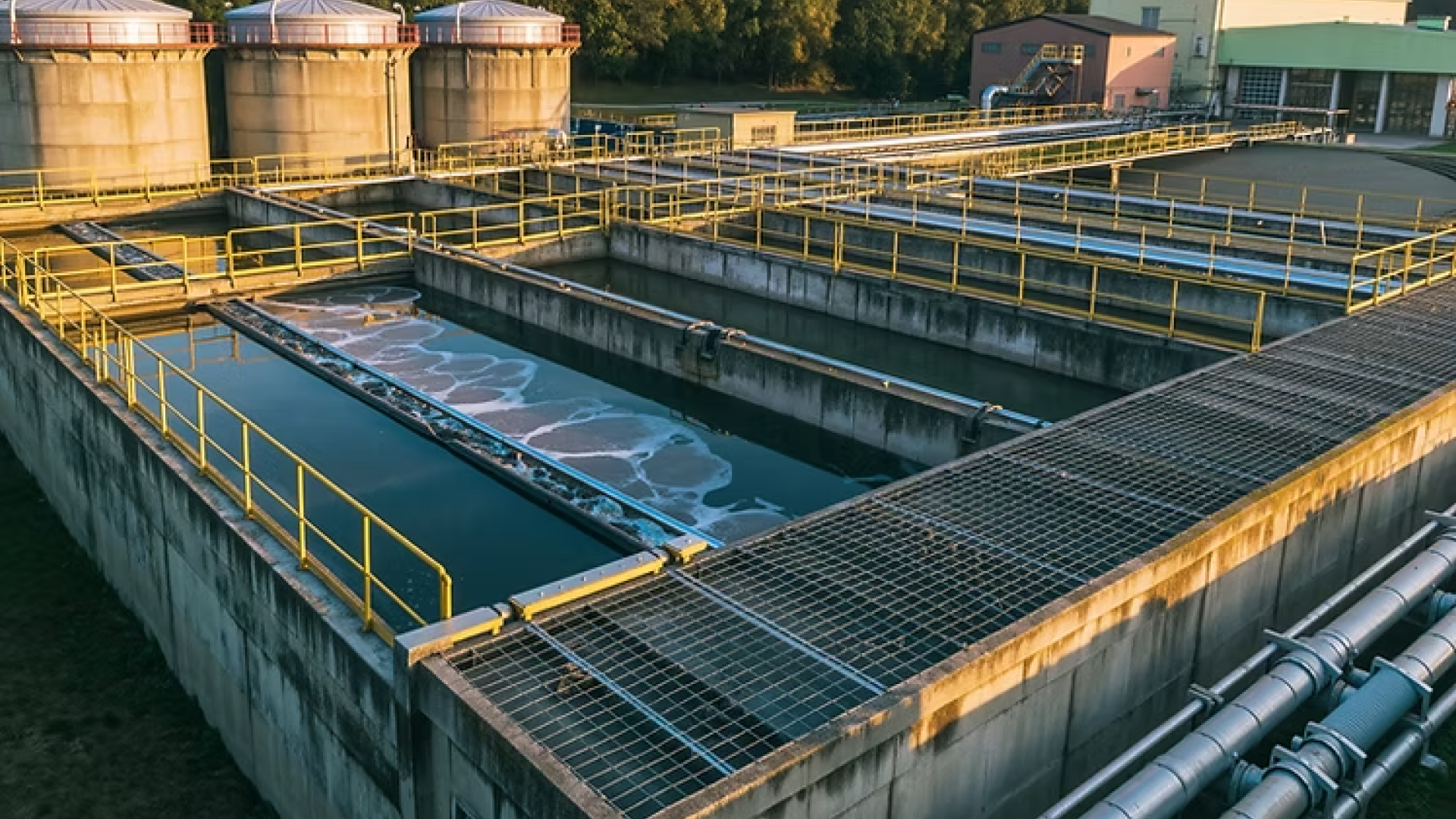
Water management is no longer just an environmental responsibility. It has become a critical operational requirement for industries, municipalities, commercial facilities, and infrastructure developers worldwide. As global water scarcity, stricter environmental regulations, and sustainability goals continue to shape industrial operations, understanding the difference between a sewage treatment plant and an effluent treatment plant is essential.
Businesses often confuse these two wastewater treatment systems because both are designed to treat contaminated water before discharge or reuse. However, their purpose, treatment process, contaminant profile, and industrial applications are very different.
For organizations investing in sustainable water management, selecting the right treatment system directly affects operational efficiency, regulatory compliance, environmental sustainability, and long term cost savings.
At H4 Waterworks, customized industrial water treatment and wastewater management solutions are designed to help industries and municipalities achieve reliable, efficient, and future ready water infrastructure.
What Is a Sewage Treatment Plant (STP)?
A sewage treatment plant, commonly called an STP, is a wastewater treatment system designed primarily to treat domestic sewage or sanitary wastewater generated from residential communities, commercial buildings, hotels, resorts, hospitals, camps, and municipal infrastructure.
The wastewater entering an STP typically contains:
Human waste
Organic matter
Food particles
Soap and detergent residues
Oil and grease
Suspended solids
Pathogens and bacteria
The main goal of a sewage treatment plant is to reduce contaminants such as Biological Oxygen Demand (BOD), Chemical Oxygen Demand (COD), Total Suspended Solids (TSS), and harmful microorganisms before the treated water is safely discharged or reused.
Modern sewage treatment plants often support:
Landscape irrigation
Toilet flushing
Cooling tower makeup water
Groundwater recharge
Sewage recycling initiatives
Businesses exploring advanced sustainability strategies often review insights shared on the H4 Waterworks Blog to better understand evolving wastewater treatment technologies and water reuse opportunities.
How a Sewage Treatment Plant Works
An STP generally includes several treatment stages:
Preliminary Treatment
Removes large debris, plastics, sand, and grit using screening and grit chambers.
Primary Treatment
Settles suspended solids and separates floating materials.
Secondary Biological Treatment
Uses biological wastewater treatment processes such as activated sludge systems, membrane bioreactor systems, or moving bed biofilm reactors to break down organic pollutants.
Tertiary Treatment
Advanced filtration systems, disinfection, ultrafiltration systems, or reverse osmosis systems may be used for higher quality water reuse.
Organizations seeking higher quality recycled water increasingly adopt technologies discussed in this guide on reverse osmosis systems for industrial applications.
Common Applications of Sewage Treatment Plants
Sewage treatment plants are commonly used in:
Residential townships
Municipal wastewater infrastructure
Hotels and resorts
Educational institutions
Hospitals
Commercial complexes
Worker accommodations
Smart cities and urban developments
Many integrated urban developments also combine STPs with modern irrigation services to support sustainable landscape water reuse programs.
What Is an Effluent Treatment Plant (ETP)?
An effluent treatment plant is a specialized industrial wastewater treatment system designed to treat wastewater generated from manufacturing, industrial processing, and production facilities.
Unlike sewage wastewater, industrial effluent can contain:
Toxic chemicals
Heavy metals
Acids and alkalis
Oils and solvents
Dyes and pigments
High TDS concentrations
Hazardous contaminants
Industrial sludge
Industrial wastewater treatment is far more complex because the wastewater characteristics vary significantly across industries.
An effluent treatment plant is specifically engineered to meet industrial discharge standards, pollution control requirements, and wastewater compliance regulations.
Companies evaluating industrial wastewater risks often benefit from reading about top wastewater treatment challenges in manufacturing industries.
Industries That Require Effluent Treatment Plants
Effluent treatment plants are widely used in:
Pharmaceutical manufacturing
Textile industries
Food processing plants
Chemical manufacturing
Oil and gas operations
Petrochemical industries
Metal processing facilities
Power plants
Automotive manufacturing
Paper and pulp industries
Industries facing aging infrastructure frequently explore ETP upgrade strategies to improve compliance and operational efficiency.
How an Effluent Treatment Plant Works
Effluent treatment plants involve multiple advanced treatment technologies depending on wastewater composition.
Equalization and Neutralization
Balances wastewater flow and adjusts pH levels.
Chemical Treatment
Uses coagulation, flocculation, dissolved air flotation, and chemical dosing to remove contaminants.
Biological Treatment
Breaks down biodegradable organic pollutants using aerobic or anaerobic systems.
Advanced Filtration
Employs membrane filtration, nanofiltration technology, ultrafiltration systems, or industrial RO plants.
Sludge Treatment Systems
Processes generated sludge safely for disposal or reuse.
Zero Liquid Discharge (ZLD)
Some advanced industrial wastewater treatment systems use zero liquid discharge technology to maximize water recovery and eliminate wastewater discharge entirely.
Facilities pursuing modernization often integrate wastewater systems with broader system upgrades to improve plant efficiency and automation.
Sewage Treatment Plant vs Effluent Treatment Plant: The Core Difference
Although both systems are wastewater management solutions, the difference lies in the type of wastewater they handle and the treatment technologies required.
ParameterSewage Treatment Plant (STP)Effluent Treatment Plant (ETP)Wastewater SourceDomestic sewageIndustrial wastewaterMain PollutantsOrganic waste, pathogensChemicals, heavy metals, toxinsComplexityModerateHighTreatment FocusBiological treatmentChemical + biological treatmentTypical UsersResidential and municipal sectorsIndustrial facilitiesRegulatory StandardsMunicipal discharge standardsIndustrial discharge standardsReuse PotentialLandscaping and flushingIndustrial water reuse and process applicationsOperating CostLowerHigherSludge CharacteristicsMostly organicPotentially hazardous
Why Choosing the Right System Matters
Choosing the wrong wastewater treatment system can create serious operational and environmental risks.
For example:
An STP cannot effectively treat toxic industrial chemicals.
An ETP designed for industrial wastewater may be unnecessarily expensive for domestic sewage applications.
Poorly designed systems may fail wastewater compliance requirements.
Inadequate treatment can damage ecosystems and groundwater quality.
This is why customized industrial water treatment solutions are critical for long term performance and sustainability.
Organizations investing in advanced treatment infrastructure often rely on tailored maintenance solutions to ensure consistent plant performance and regulatory compliance.
Key Benefits of Modern Wastewater Treatment Systems
Environmental Sustainability
Advanced wastewater recycling and water reuse technologies reduce freshwater consumption and environmental pollution.
Regulatory Compliance
Proper wastewater treatment helps industries meet local and international environmental discharge standards.
Reduced Water Costs
Industrial water reuse and sewage recycling significantly reduce dependency on freshwater sources.
Resource Recovery
Modern wastewater treatment systems can recover reusable water, nutrients, and even energy from waste streams.
Improved Corporate Sustainability
Organizations increasingly prioritize environmental sustainability and water conservation technologies as part of ESG initiatives.
Businesses looking to strengthen sustainability planning can also explore insights from this article on why industrial water treatment is essential for modern manufacturing plants.
Technologies Used in Modern STPs and ETPs
Today’s water purification systems integrate multiple advanced technologies for higher efficiency and automation.
Membrane Bioreactor Systems (MBR)
MBR technology combines biological treatment with membrane filtration to produce high quality treated water with a smaller footprint.
Reverse Osmosis Systems
A reverse osmosis system removes dissolved salts, TDS, and microscopic contaminants for industrial process water and potable water treatment.
Ultrafiltration Systems
Ultrafiltration systems remove suspended solids, bacteria, and viruses while improving water clarity.
Dissolved Air Flotation (DAF)
DAF systems effectively remove oils, grease, and suspended particles from industrial wastewater.
Advanced Oxidation Process (AOP)
Advanced oxidation processes break down difficult organic contaminants using powerful oxidation reactions.
Smart Water Monitoring
Smart water management systems use sensors, automation, and real time analytics to optimize treatment plant operations and reduce downtime.
Businesses evaluating advanced treatment infrastructure often begin with foundational resources explaining what industrial water treatment is and why it matters.
Common Mistakes Businesses Make
Ignoring Wastewater Characterization
Every wastewater stream has unique properties. Designing systems without proper analysis often leads to poor treatment efficiency.
Underestimating Future Capacity
Many facilities install systems sized only for current operations without considering future expansion.
Choosing Low Cost Instead of Lifecycle Value
Cheaper systems often lead to higher maintenance, energy use, and compliance risks over time.
Neglecting Plant Maintenance
Poor maintenance reduces system efficiency and increases operational failures.
Lack of Automation
Modern treatment plant automation improves monitoring, efficiency, and reliability while reducing human error.
Best Practices for Sustainable Water Management
Organizations aiming for long term operational efficiency should adopt these best practices:
Conduct Detailed Water Audits
Understanding water usage and wastewater generation patterns improves system design accuracy.
Prioritize Water Recycling Systems
Wastewater reuse can dramatically reduce freshwater demand and operational costs.
Use Modular Treatment Systems
Scalable treatment infrastructure supports future growth and operational flexibility.
Integrate Smart Monitoring Systems
Digital monitoring improves water quality compliance and operational visibility.
Partner With Experienced Water Treatment Experts
Customized engineering and ongoing technical support ensure long term system performance.
Large industrial sites often combine wastewater infrastructure planning with specialized utility systems such as well pump installation services for integrated water management.
Future Trends in Industrial Water Treatment
The future of industrial wastewater treatment is being driven by sustainability, automation, and water scarcity solutions.
Zero Liquid Discharge Adoption
More industries are implementing zero liquid discharge systems to maximize water recovery.
AI Powered Smart Water Management
Artificial intelligence and predictive analytics are transforming wastewater operations management.
Decentralized Water Infrastructure
Compact modular treatment systems are becoming increasingly popular for remote industrial and commercial facilities.
Energy Efficient Membrane Filtration
New membrane technologies reduce energy consumption while improving treatment performance.
Circular Water Economy
Industries are moving toward closed loop water reuse models that minimize waste and maximize sustainability.
Frequently Asked Questions
What is the main difference between an STP and an ETP?
A sewage treatment plant treats domestic sewage generated from residential or commercial sources, while an effluent treatment plant treats industrial wastewater containing chemicals, heavy metals, and industrial contaminants.
Can treated wastewater be reused?
Yes. Modern wastewater recycling systems allow treated water to be reused for irrigation, cooling towers, industrial processes, toilet flushing, and utility water management.
Which industries require effluent treatment plants?
Industries such as pharmaceuticals, textiles, chemicals, food processing, oil and gas, and manufacturing commonly require industrial effluent treatment systems.
Is reverse osmosis used in wastewater treatment?
Yes. Reverse osmosis systems are widely used in advanced wastewater filtration, desalination systems, industrial water reuse, and high purity water applications.
What is zero liquid discharge?
Zero liquid discharge is an advanced wastewater treatment approach that recovers nearly all water for reuse while eliminating liquid waste discharge.
Why is wastewater treatment important?
Wastewater treatment protects public health, conserves water resources, supports environmental sustainability, and ensures compliance with pollution control regulations.
Conclusion
Understanding the difference between a sewage treatment plant and an effluent treatment plant is critical for selecting the right wastewater management solution. While STPs focus on treating domestic sewage through biological wastewater treatment processes, ETPs are engineered for complex industrial wastewater treatment involving chemical, physical, and advanced filtration technologies.
As industries and municipalities continue prioritizing sustainable water management, investing in the right water treatment solutions becomes essential for operational efficiency, environmental compliance, and long term water security.
Learn more about the company’s mission and expertise on the About Us page, or connect directly through the Contact Page to discuss customized wastewater treatment and industrial water management solutions for your facility.