
How Industrial Wastewater Treatment Supports Environmental Compliance
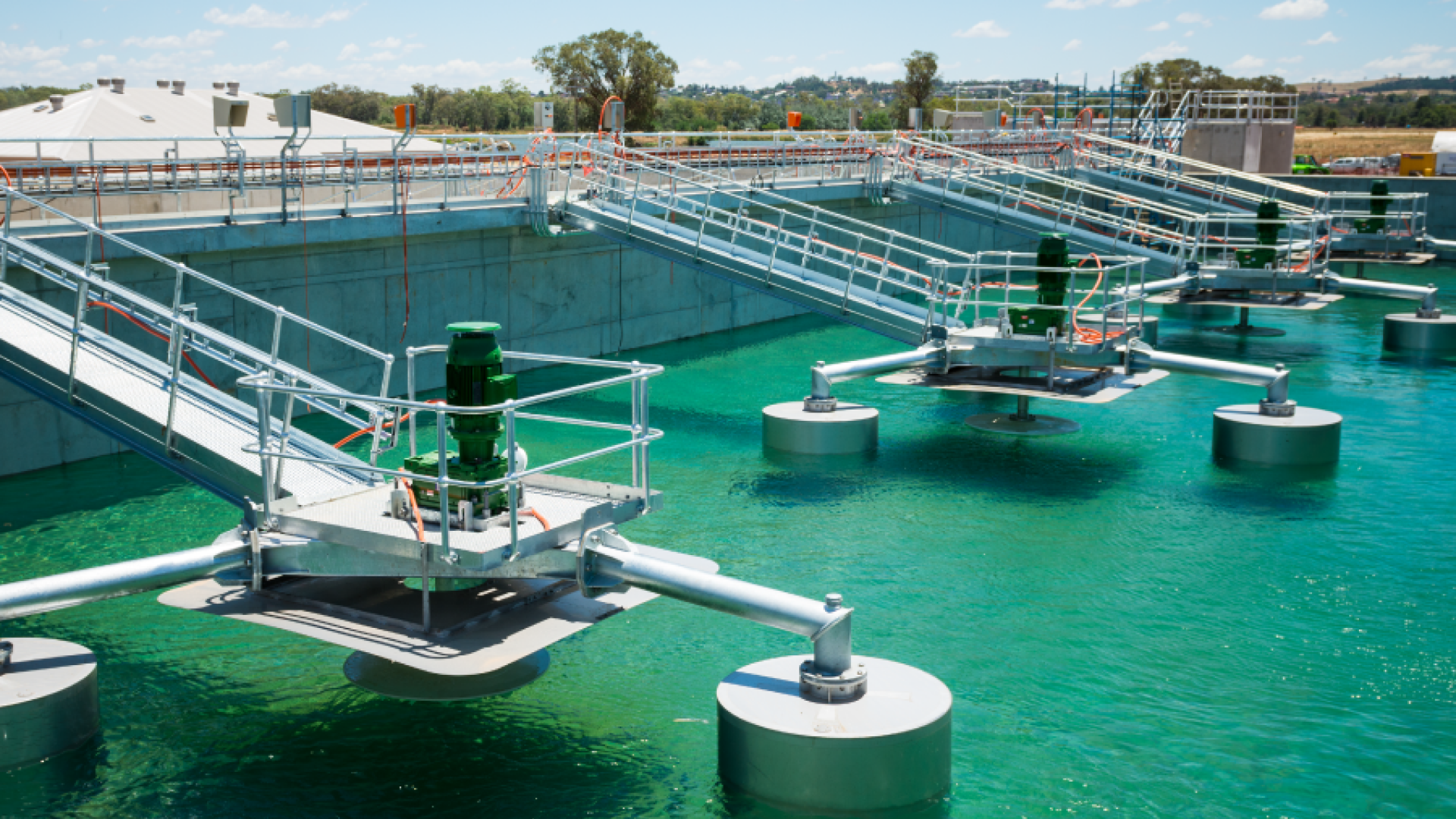
Industrial growth plays a major role in economic development, but it also creates one of the biggest environmental challenges worldwide: wastewater pollution. Manufacturing plants, chemical facilities, food processing units, oil and gas operations, pharmaceutical companies, and heavy industries generate wastewater containing contaminants that can seriously impact ecosystems, public health, and water resources if not treated properly.
As environmental regulations become stricter across global markets, industrial wastewater treatment is no longer optional. It is a critical requirement for operational continuity, environmental responsibility, and regulatory compliance.
Modern industries are now investing in advanced wastewater treatment systems not only to meet discharge regulations but also to improve sustainability, reduce operational risks, conserve water, and strengthen their environmental reputation.
At H4 Waterworks customized industrial water treatment and wastewater management solutions are designed to help organizations achieve long term compliance, operational efficiency, and sustainable water infrastructure.
What Is Industrial Wastewater Treatment?
Industrial wastewater treatment is the process of removing contaminants, chemicals, suspended solids, oils, heavy metals, biological pollutants, and dissolved impurities from wastewater generated during industrial operations.
Unlike domestic sewage, industrial wastewater often contains highly complex pollutants that require specialized treatment technologies and engineered wastewater treatment systems.
Industrial wastewater treatment systems are designed to:
Meet environmental discharge standards
Reduce pollution levels
Protect natural water bodies
Support wastewater recycling
Enable water reuse technologies
Improve environmental sustainability
Ensure water quality compliance
Industries commonly using industrial wastewater treatment include:
Chemical manufacturing
Pharmaceuticals
Textile processing
Food and beverage manufacturing
Oil and gas operations
Automotive production
Mining and metal processing
Power generation facilities
Paper and pulp industries
Organizations looking to understand broader industry trends often explore insights shared on the H4 Waterworks Blog, where water sustainability and industrial treatment technologies are discussed in detail.
Why Environmental Compliance Matters
Environmental compliance refers to following local, national, and international regulations that govern wastewater discharge, pollution control, and environmental protection.
Governments and environmental agencies establish strict discharge standards for:
Biological Oxygen Demand (BOD)
Chemical Oxygen Demand (COD)
Total Dissolved Solids (TDS)
pH levels
Heavy metal concentrations
Oil and grease content
Toxic chemical discharge
Pathogen levels
Failing to comply with wastewater regulations can result in:
Heavy financial penalties
Operational shutdowns
Legal action
Environmental damage
Loss of business licenses
Reputational harm
Increased regulatory scrutiny
For many industries, wastewater compliance has become directly tied to corporate sustainability goals, ESG reporting, and investor expectations.
Companies improving long term environmental performance often reference this detailed guide on why industrial water treatment is essential for modern manufacturing plants.
How Industrial Wastewater Treatment Supports Environmental Compliance
Removes Harmful Pollutants Before Discharge
One of the primary goals of industrial wastewater treatment is reducing contaminants before wastewater is released into the environment.
Advanced wastewater treatment systems remove:
Toxic chemicals
Heavy metals
Organic pollutants
Suspended solids
Harmful microorganisms
Excess nutrients
Industrial sludge
This helps industries meet strict industrial discharge standards and pollution control requirements while protecting rivers, lakes, groundwater, and marine ecosystems.
Reduces Biological Oxygen Demand (BOD) and COD
Untreated industrial wastewater often contains high organic loads that increase Biological Oxygen Demand and Chemical Oxygen Demand levels.
High BOD and COD can:
Reduce oxygen levels in water bodies
Harm aquatic life
Create ecological imbalance
Trigger environmental violations
Biological treatment systems, membrane bioreactor systems, and advanced oxidation processes significantly reduce pollutant loads and improve discharge quality.
Manufacturers facing operational inefficiencies frequently review top wastewater treatment challenges in manufacturing industries to identify better treatment strategies.
Supports Water Quality Compliance
Modern water purification systems continuously monitor and control wastewater quality to ensure regulatory compliance.
Smart water monitoring systems help industries:
Track water quality parameters in real time
Detect contamination issues early
Maintain stable treatment performance
Improve reporting accuracy
Reduce compliance risks
Automated treatment plant systems also improve operational reliability and reduce the chance of human error.
Facilities modernizing aging infrastructure often integrate advanced monitoring through strategic system upgrades to improve wastewater treatment efficiency and reporting capabilities.
Enables Wastewater Recycling and Water Reuse
Many environmental regulations now encourage or require industries to reduce freshwater consumption through wastewater recycling and industrial water reuse programs.
Industrial wastewater treatment supports:
Cooling tower reuse
Boiler feed applications
Utility water management
Industrial process water reuse
Landscape irrigation
Cleaning operations
Water recycling systems help industries conserve water while lowering operational costs and supporting sustainable water management goals.
Industries implementing water conservation initiatives also benefit from integrated irrigation services for sustainable outdoor water management.
Prevents Groundwater and Soil Contamination
Improper wastewater disposal can contaminate groundwater resources and surrounding soil, creating long term environmental and public health risks.
Industrial effluent treatment systems help:
Prevent toxic seepage
Reduce hazardous contamination
Protect groundwater quality
Preserve local ecosystems
Support sustainable infrastructure development
Groundwater protection is especially critical in regions experiencing water scarcity and increasing industrial development.
Facilities relying on groundwater infrastructure often combine wastewater management planning with professional well pump installation solutions for better water resource management.
Supports Zero Liquid Discharge Goals
Many industries are now adopting zero liquid discharge (ZLD) systems to meet stricter environmental standards and reduce wastewater discharge entirely.
Zero liquid discharge systems:
Recover reusable water
Minimize liquid waste disposal
Improve water sustainability solutions
Reduce environmental impact
Enhance compliance performance
Advanced reverse osmosis systems, evaporators, crystallizers, and membrane filtration technologies are commonly integrated into ZLD systems.
Businesses planning advanced water recovery infrastructure often review this resource on reverse osmosis systems for industrial applications.
Key Technologies Used in Industrial Wastewater Treatment
Modern industrial wastewater treatment systems combine multiple technologies for maximum treatment efficiency and compliance performance.
Reverse Osmosis Systems
A reverse osmosis system removes dissolved salts, TDS, heavy metals, and microscopic contaminants from industrial wastewater.
RO water treatment is widely used in:
Industrial RO plants
Wastewater recycling
Desalination systems
High purity process water applications
Ultrafiltration Systems
Ultrafiltration systems use membrane filtration to remove suspended particles, bacteria, viruses, and colloidal matter.
These systems improve:
Water clarity
Tertiary treatment performance
Water reuse quality
Pretreatment efficiency for RO systems
Dissolved Air Flotation (DAF)
Dissolved air flotation systems remove:
Oil and grease
Suspended solids
Fats and proteins
Industrial contaminants
DAF systems are commonly used in food processing, petrochemical, and manufacturing industries.
Biological Wastewater Treatment
Biological treatment systems use microorganisms to break down organic pollutants in wastewater.
Common biological processes include:
Activated sludge systems
Membrane bioreactor systems
Aerobic treatment
Anaerobic digestion
These technologies are highly effective for BOD reduction and wastewater filtration.
Advanced Oxidation Process (AOP)
Advanced oxidation processes use chemical oxidation to destroy difficult contaminants that conventional systems cannot remove effectively.
AOP technologies are useful for:
Pharmaceutical wastewater
Chemical contaminants
Color removal
Toxic organic compounds
Companies evaluating industrial infrastructure performance can also explore what industrial water treatment is and why it matters.
Industries Facing the Highest Compliance Pressure
Some industries face particularly strict wastewater compliance requirements due to the nature of their wastewater streams.
Pharmaceutical Industry
Pharmaceutical wastewater may contain active chemical compounds, solvents, and biological contaminants requiring advanced treatment.
Textile Industry
Textile manufacturing generates wastewater containing dyes, salts, and chemical processing agents.
Oil and Gas Operations
Produced water and refinery wastewater often contain hydrocarbons, oils, and heavy metals.
Food and Beverage Processing
Food manufacturing wastewater typically contains high organic loads, fats, oils, and grease.
Chemical Manufacturing
Chemical plants require highly specialized industrial wastewater treatment systems to manage hazardous contaminants safely.
Industries experiencing rising compliance pressure often seek proactive maintenance solutions to improve long term treatment reliability.
Common Compliance Challenges Industries Face
Inconsistent Wastewater Characteristics
Industrial wastewater quality can vary significantly during production cycles.
Aging Treatment Infrastructure
Older wastewater infrastructure may struggle to meet modern environmental standards.
Rising Water Costs
Freshwater scarcity is increasing the importance of wastewater reuse and utility water management.
Limited Technical Expertise
Many facilities lack in house expertise for treatment optimization and wastewater operations management.
Regulatory Changes
Environmental regulations continue evolving, requiring flexible and scalable treatment solutions.
Facilities with outdated treatment infrastructure frequently benefit from reviewing signs your business needs an effluent treatment plant upgrade.
Best Practices for Maintaining Environmental Compliance
Conduct Regular Wastewater Audits
Routine analysis helps identify compliance risks early and improves treatment efficiency.
Invest in Smart Water Management
Automation and real time monitoring improve operational control and reporting accuracy.
Upgrade Outdated Systems
Modern membrane filtration and industrial filtration technologies provide higher efficiency and lower operating costs.
Prioritize Preventive Maintenance
Regular plant maintenance reduces downtime and ensures consistent treatment performance.
Partner With Experienced Water Treatment Experts
Working with experienced environmental engineering solution providers helps industries stay ahead of changing compliance requirements.
Organizations seeking tailored wastewater treatment and sustainability strategies can learn more through the H4 Waterworks About Page.
Future Trends in Environmental Compliance and Wastewater Treatment
The future of wastewater management solutions is being shaped by:
AI driven smart monitoring systems
Advanced treatment plant automation
Water conservation technologies
Circular water economy models
Decentralized treatment systems
Energy efficient membrane technologies
Sustainable industrial infrastructure
Industries are increasingly moving toward wastewater reuse, industrial water recycling, and eco friendly water treatment strategies to improve long term sustainability.
Frequently Asked Questions
What is industrial wastewater treatment?
Industrial wastewater treatment is the process of removing contaminants and pollutants from industrial wastewater before discharge or reuse.
Why is wastewater treatment important for environmental compliance?
Wastewater treatment helps industries meet environmental regulations, reduce pollution, protect ecosystems, and avoid legal penalties.
What industries require wastewater treatment systems?
Industries such as pharmaceuticals, textiles, chemicals, oil and gas, manufacturing, food processing, and power generation commonly require industrial wastewater treatment systems.
What is zero liquid discharge?
Zero liquid discharge is a wastewater treatment strategy that recovers nearly all water for reuse while minimizing liquid waste discharge.
How does reverse osmosis help industrial wastewater treatment?
Reverse osmosis systems remove dissolved contaminants, salts, and impurities, making treated water suitable for reuse and regulatory compliance.
What are the benefits of wastewater recycling?
Wastewater recycling reduces freshwater consumption, lowers operational costs, supports sustainability goals, and improves water resource management.
Conclusion
Industrial wastewater treatment plays a vital role in helping organizations achieve environmental compliance while supporting sustainability, water conservation, and operational efficiency.
From reducing BOD and TDS levels to enabling wastewater reuse and zero liquid discharge, advanced wastewater treatment systems are essential for industries operating in today’s increasingly regulated environmental landscape.
As global water challenges continue growing, industries must adopt smarter, more sustainable water management strategies to remain compliant and competitive.
Organizations looking to improve environmental compliance, optimize wastewater operations, and implement future ready water infrastructure can connect through the H4 Waterworks Contact Page to explore customized industrial wastewater treatment and sustainable water management solutions.