
Smart Water Management Solutions for Modern Industries
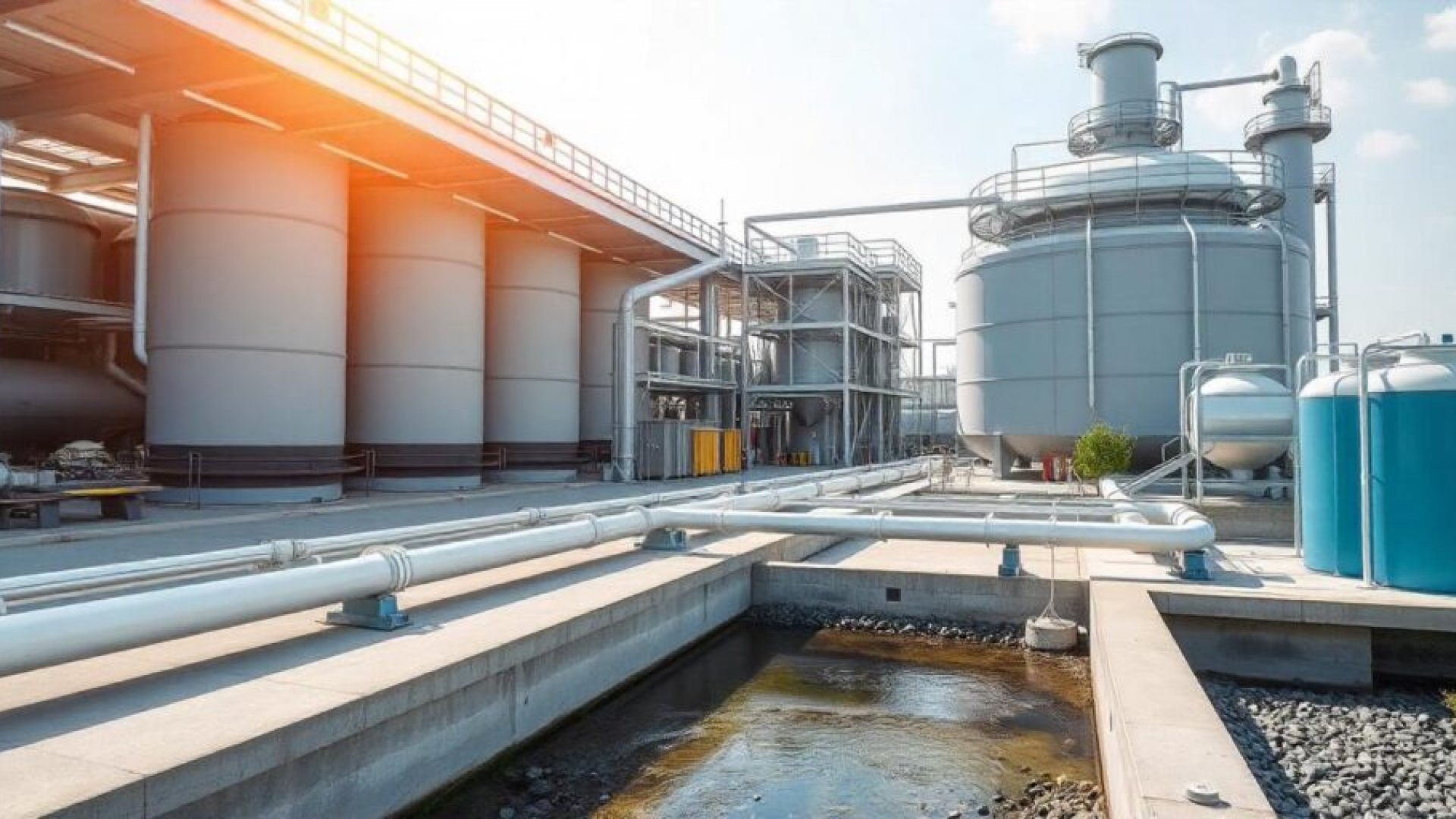
Water is no longer viewed as just a utility resource in industrial operations. Today, it is a strategic asset directly connected to sustainability, operational efficiency, regulatory compliance, and long term business resilience. As industries face rising water costs, stricter environmental regulations, climate related water scarcity, and increasing pressure to improve ESG performance, smart water management solutions have become essential for modern industrial infrastructure.
From manufacturing plants and commercial facilities to oil and gas operations and municipal utilities, organizations are adopting intelligent water treatment and monitoring technologies to optimize water usage, reduce wastewater generation, improve operational visibility, and support sustainable water management goals.
Modern smart water management combines industrial water treatment systems, digital monitoring platforms, automation technologies, wastewater recycling systems, and predictive analytics into one integrated ecosystem designed for maximum efficiency and sustainability.
At H4 Waterworks advanced water treatment solutions and smart water infrastructure technologies help industries worldwide improve water efficiency, environmental compliance, and operational reliability.
What Is Smart Water Management?
Smart water management refers to the use of advanced technologies, automation systems, data analytics, and intelligent monitoring tools to optimize water treatment, distribution, consumption, recycling, and wastewater management across industrial operations.
Unlike traditional water systems that rely heavily on manual monitoring and reactive maintenance, smart water management systems provide real time insights that improve decision making and operational control.
These systems typically integrate:
Smart monitoring systems
Industrial automation
IoT enabled sensors
Real time water quality tracking
Treatment plant automation
Predictive maintenance tools
AI driven analytics
Water recycling systems
Industrial wastewater treatment technologies
The primary goal is to create a more sustainable, efficient, and resilient water management strategy.
Businesses looking to understand the broader impact of advanced treatment technologies often explore insights shared on the H4 Waterworks Blog.
Why Smart Water Management Matters for Modern Industries
Industrial operations consume massive amounts of water for:
Manufacturing processes
Cooling systems
Boiler operations
Cleaning applications
Utility water management
Process water treatment
Wastewater handling
Without proper monitoring and optimization, industries face:
Excessive water waste
Rising operational costs
Regulatory non compliance
Equipment inefficiencies
Environmental risks
Unplanned downtime
Water scarcity challenges
Smart water management solutions help industries address these challenges while supporting long term sustainability and operational performance.
Organizations focused on improving operational sustainability frequently reference this guide on why industrial water treatment is essential for modern manufacturing plants.
How Smart Water Management Solutions Work
Modern smart water systems continuously collect, analyze, and respond to water related operational data.
Real Time Monitoring
Sensors installed across water treatment systems monitor:
Flow rates
Water pressure
pH levels
Conductivity
Turbidity
TDS levels
Chemical dosing
Energy consumption
Equipment performance
This real time visibility allows operators to identify abnormalities before they become major operational problems.
Automated Control Systems
Treatment plant automation enables systems to adjust operations automatically based on changing water conditions.
For example:
Chemical dosing can be optimized automatically
Pumps and valves can self regulate
Filtration systems can trigger cleaning cycles
Reverse osmosis systems can adjust flow rates dynamically
Automation improves consistency while reducing manual intervention.
Data Analytics and Predictive Maintenance
AI driven analytics help industries identify:
Equipment wear patterns
Potential system failures
Water consumption trends
Wastewater generation spikes
Treatment inefficiencies
Predictive maintenance reduces downtime and extends the lifespan of industrial water treatment equipment.
Facilities modernizing infrastructure often implement strategic system upgrades to improve automation and operational visibility.
Key Components of Smart Water Management Systems
Smart Water Monitoring Systems
Smart monitoring systems use digital sensors and cloud based platforms to provide continuous operational insights.
Benefits include:
Faster issue detection
Improved reporting accuracy
Enhanced compliance tracking
Reduced operational risks
Better decision making
Reverse Osmosis Systems
A reverse osmosis system plays a major role in modern industrial water treatment by removing dissolved salts, contaminants, and impurities from process water and wastewater streams.
RO water treatment supports:
Industrial water reuse
Desalination systems
Boiler feed water
High purity manufacturing processes
Wastewater recycling
Organizations implementing advanced purification technologies often review this resource on reverse osmosis systems for industrial applications.
Ultrafiltration Systems
Ultrafiltration systems use membrane filtration technology to remove suspended solids, bacteria, and microscopic particles.
These systems improve:
Water purification efficiency
Pretreatment for RO systems
Water reuse quality
Tertiary treatment performance
Wastewater Treatment Systems
Smart wastewater treatment systems optimize:
Biological wastewater treatment
Effluent treatment plant operations
Sewage treatment plant performance
Sludge treatment systems
Industrial wastewater treatment
Automation improves treatment consistency while supporting wastewater compliance requirements.
Businesses facing compliance challenges frequently benefit from reading about top wastewater treatment challenges in manufacturing industries.
Water Recycling Systems
Water recycling systems recover treated wastewater for reuse in:
Cooling towers
Industrial processes
Landscape irrigation
Utility operations
Cleaning applications
Wastewater reuse significantly reduces freshwater demand and operating costs.
Industrial campuses integrating sustainability initiatives often combine recycling systems with efficient irrigation services for landscape water management.
Benefits of Smart Water Management Solutions
Improved Water Efficiency
Smart systems reduce water waste through continuous monitoring and optimization.
Industries can identify:
Leaks
Overconsumption
Process inefficiencies
Equipment performance issues
This leads to lower water consumption and improved sustainability.
Enhanced Environmental Compliance
Industrial facilities must comply with strict wastewater discharge regulations and environmental standards.
Smart water management improves:
Water quality compliance
Pollution control
Regulatory reporting
Industrial discharge monitoring
Wastewater operations management
Real time monitoring also helps facilities respond quickly to compliance risks.
Lower Operational Costs
Optimized water treatment operations reduce:
Energy usage
Chemical consumption
Maintenance expenses
Water purchasing costs
Equipment downtime
Long term cost savings are often substantial.
Better Sustainability Performance
Many organizations now prioritize water sustainability solutions as part of ESG initiatives and corporate environmental responsibility programs.
Smart water systems support:
Sustainable water management
Water conservation technologies
Eco friendly water treatment
Circular water economy goals
Sustainable infrastructure development
Increased Equipment Reliability
Predictive maintenance and automated monitoring reduce the risk of unexpected equipment failures.
This improves:
System uptime
Operational continuity
Treatment reliability
Infrastructure lifespan
Facilities improving reliability and efficiency often invest in proactive maintenance solutions for long term operational stability.
Industries Benefiting From Smart Water Management
Manufacturing Industries
Manufacturing plants use smart water systems to optimize process water usage, cooling systems, and industrial wastewater treatment.
Oil and Gas Operations
Oil and gas facilities require advanced wastewater management solutions for produced water treatment, filtration systems, and environmental compliance.
Food and Beverage Processing
Smart monitoring helps food manufacturers maintain water quality standards and optimize wastewater recycling.
Pharmaceutical Facilities
Pharmaceutical operations rely on highly controlled water purification systems and automated compliance monitoring.
Commercial Infrastructure
Hotels, resorts, hospitals, and large commercial facilities use smart water systems to improve utility efficiency and sewage recycling performance.
Industries upgrading wastewater infrastructure also benefit from this guide explaining what industrial water treatment is and why it matters.
Technologies Driving Smart Water Management
Internet of Things (IoT)
IoT enabled sensors collect and transmit operational data across water infrastructure networks.
Artificial Intelligence (AI)
AI algorithms analyze operational patterns and improve predictive decision making.
Cloud Based Monitoring Platforms
Cloud systems provide centralized access to operational data from multiple facilities.
Digital Twin Technology
Digital twins simulate water treatment operations for optimization and troubleshooting.
Advanced Membrane Filtration
Modern membrane filtration technologies improve treatment efficiency while reducing energy consumption.
Common Challenges in Industrial Water Management
Aging Infrastructure
Older water systems often lack automation and real time monitoring capabilities.
Rising Water Scarcity
Many regions face increasing freshwater shortages, making wastewater reuse more important.
Complex Regulatory Requirements
Industries must continuously adapt to evolving environmental regulations.
High Energy Consumption
Traditional treatment systems can consume large amounts of energy without optimization.
Operational Data Gaps
Lack of real time visibility often leads to inefficiencies and delayed responses.
Facilities struggling with outdated treatment infrastructure often evaluate ETP upgrade requirements to improve compliance and automation capabilities.
Best Practices for Implementing Smart Water Management
Conduct Comprehensive Water Audits
Understanding water usage patterns helps identify optimization opportunities.
Integrate Scalable Systems
Modular treatment infrastructure allows future expansion and flexibility.
Prioritize Water Reuse Technologies
Industrial water reuse reduces freshwater dependence and operational costs.
Invest in Automation
Treatment plant automation improves consistency and operational control.
Partner With Water Treatment Experts
Customized engineering and ongoing technical support are essential for successful implementation.
Organizations planning long term infrastructure improvements can learn more about industry expertise through the H4 Waterworks About Page.
Future Trends in Smart Water Management
The future of smart water management is focused on:
AI powered treatment optimization
Fully automated treatment plants
Decentralized water infrastructure
Advanced wastewater recycling
Zero liquid discharge systems
Smart desalination systems
Carbon efficient water treatment
Digital sustainability reporting
As industries continue moving toward sustainable industrial infrastructure, smart water technologies will become increasingly critical for operational resilience and environmental performance.
Facilities requiring customized automation and water management solutions can connect directly through the H4 Waterworks Contact Page.
Frequently Asked Questions
What is smart water management?
Smart water management uses digital monitoring, automation, analytics, and advanced treatment technologies to optimize water usage, wastewater treatment, and operational efficiency.
How does smart water monitoring improve efficiency?
Real time monitoring identifies leaks, inefficiencies, and performance issues early, allowing industries to reduce waste and improve operational control.
Why are water recycling systems important?
Water recycling systems reduce freshwater demand, lower costs, and support environmental sustainability goals.
What industries benefit from smart water management?
Manufacturing, pharmaceuticals, oil and gas, food processing, utilities, and commercial facilities all benefit from smart water management solutions.
How do reverse osmosis systems support industrial operations?
Reverse osmosis systems remove dissolved contaminants and improve water quality for industrial processes, reuse applications, and wastewater recycling.
What role does automation play in wastewater treatment?
Automation improves treatment consistency, reduces human error, enhances compliance monitoring, and optimizes operational efficiency.
Conclusion
Smart water management solutions are transforming how modern industries manage water resources, wastewater treatment, and environmental compliance. By integrating automation, real time monitoring, advanced filtration systems, wastewater recycling technologies, and AI driven analytics, industries can improve operational efficiency while supporting long term sustainability goals.
As water scarcity, environmental regulations, and operational challenges continue growing worldwide, industries must adopt smarter and more resilient water infrastructure strategies.
Organizations seeking sustainable water infrastructure, advanced industrial wastewater treatment, and intelligent water management technologies can connect with the technical experts at H4 Waterworks to explore customized solutions for modern industrial and commercial operations.