
Top Signs Your Facility Needs a Water Treatment Upgrade
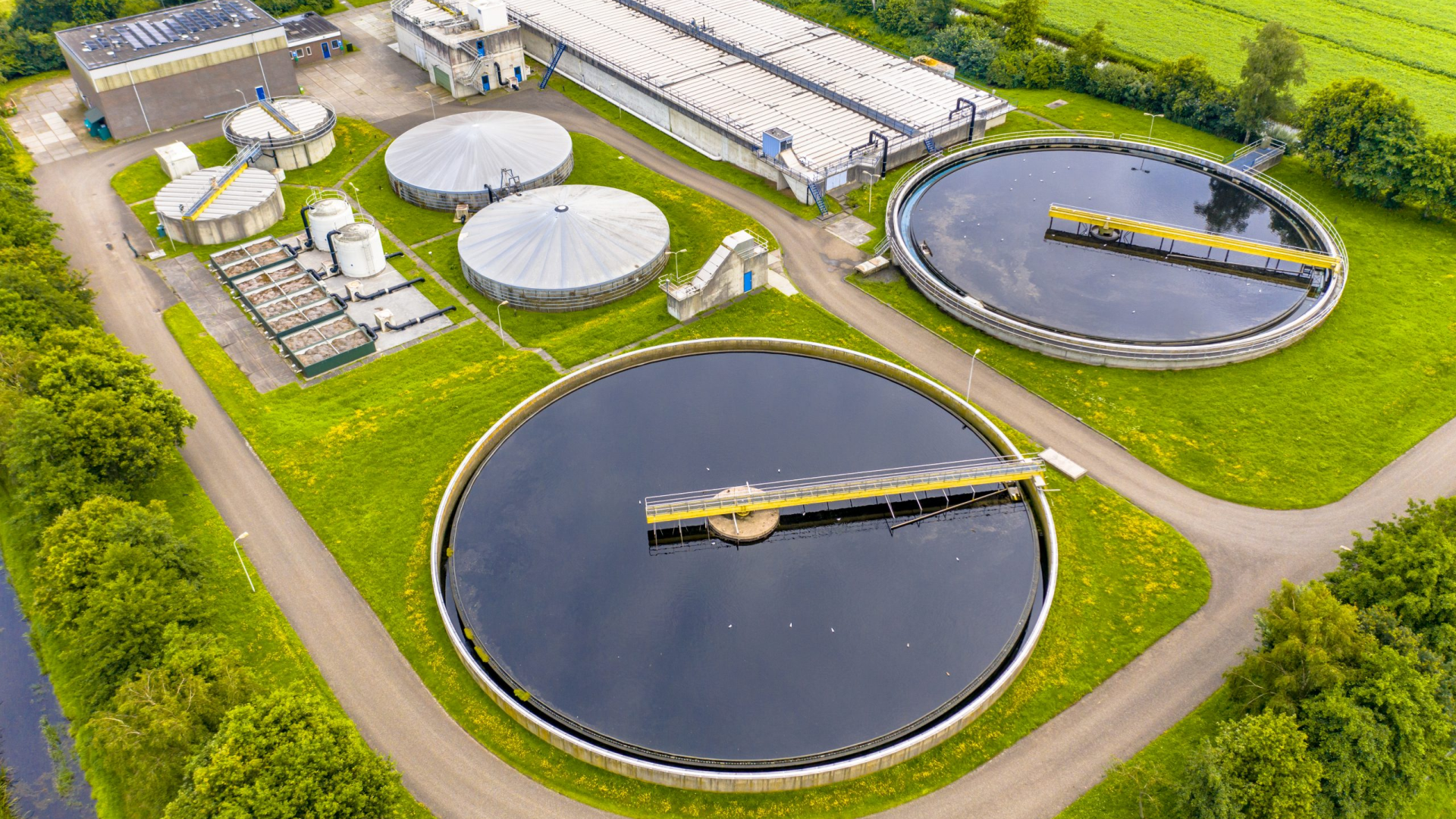
Water quality problems rarely appear overnight. In most industrial and commercial facilities, water treatment systems gradually lose efficiency over time due to aging infrastructure, increased production demands, stricter environmental regulations, and changing water quality conditions. Unfortunately, many businesses continue operating outdated systems until performance issues begin affecting operations, compliance, equipment reliability, and operating costs.
A modern water treatment upgrade can significantly improve operational efficiency, reduce water waste, enhance sustainability, and protect critical infrastructure. Whether your facility relies on industrial water treatment, wastewater treatment systems, reverse osmosis systems, filtration systems, or water recycling technologies, recognizing the warning signs early can prevent expensive downtime and long term damage.
At H4 Waterworks, customized industrial water treatment and wastewater management solutions help facilities modernize aging infrastructure while improving water quality compliance, operational reliability, and sustainable water management.
Why Water Treatment Upgrades Matter More Than Ever
Modern industries face increasing pressure to:
Reduce water consumption
Meet environmental compliance requirements
Improve wastewater recycling
Lower operational costs
Support sustainability goals
Maintain production efficiency
Optimize utility water management
At the same time, water scarcity, aging infrastructure, stricter industrial discharge standards, and rising energy costs are forcing facilities to rethink outdated water treatment systems.
An upgraded system does more than improve water quality. It helps organizations create smarter, more resilient, and future ready water infrastructure.
Businesses already exploring the importance of modern infrastructure can also learn from this published guide on why industrial water treatment is essential for modern manufacturing plants.
What Is a Water Treatment Upgrade?
A water treatment upgrade involves improving or replacing outdated treatment equipment, automation systems, filtration technologies, monitoring infrastructure, or wastewater treatment processes to improve performance, efficiency, and compliance.
Depending on the facility, upgrades may include:
Reverse osmosis system replacement
Ultrafiltration systems installation
Smart water monitoring integration
Treatment plant automation
Membrane filtration upgrades
Water recycling systems
Sewage treatment plant modernization
Effluent treatment plant optimization
Industrial filtration improvements
Advanced oxidation process integration
The goal is to improve water purification performance while reducing operational risks and environmental impact.
Organizations seeking tailored modernization strategies often explore specialized system upgrades designed to improve operational efficiency and infrastructure reliability.
Top Signs Your Facility Needs a Water Treatment Upgrade
1. Rising Operational Costs
One of the clearest signs your facility needs a water treatment upgrade is steadily increasing operational expenses.
Older wastewater treatment systems and industrial water treatment equipment often consume:
More energy
More chemicals
More maintenance resources
Higher labor costs
More replacement parts
Outdated systems also tend to operate less efficiently, increasing water waste and reducing process optimization.
Modern smart water management systems can dramatically improve energy efficiency and operational control while reducing long term operating expenses.
Facilities facing these challenges may also benefit from reading about smart water management solutions for modern industries.
2. Frequent Equipment Failures and Downtime
If pumps, filtration systems, membranes, pressure vessels, or treatment components are failing regularly, your infrastructure may no longer be reliable enough for current operational demands.
Common warning signs include:
Unexpected shutdowns
Repeated membrane fouling
Pressure drops
Corrosion issues
Pump failures
Leaks in treatment systems
Excessive sludge buildup
Frequent downtime not only increases maintenance costs but also disrupts production and operational continuity.
Partnering with experienced providers offering maintenance solutions can help facilities identify recurring issues before they become major operational disruptions.
3. Poor Water Quality Performance
Water quality problems often indicate that treatment systems are no longer performing effectively.
Facilities may notice:
High TDS levels
Increased turbidity
Poor BOD reduction
Inconsistent pH control
Odor issues
Scaling and fouling
Poor wastewater filtration performance
Water quality compliance failures can create serious regulatory and operational risks.
Modern reverse osmosis systems, ultrafiltration systems, and membrane bioreactor systems provide significantly better treatment performance compared to aging conventional technologies.
For deeper technical insight, facilities can review this guide on reverse osmosis systems for industrial applications.
4. Difficulty Meeting Environmental Compliance Standards
Environmental regulations continue evolving worldwide. Facilities operating outdated wastewater treatment systems may struggle to meet:
Industrial discharge standards
Water quality compliance requirements
Wastewater compliance regulations
Environmental sustainability targets
Pollution control mandates
Non compliance can result in:
Financial penalties
Regulatory enforcement
Permit violations
Production interruptions
Environmental liabilities
Advanced industrial wastewater treatment systems help facilities maintain consistent compliance through improved monitoring, automation, and treatment efficiency.
Many industries also reference how industrial wastewater treatment supports environmental compliance when planning modernization projects.
5. Increasing Water Demand Within the Facility
Many industrial facilities expand production capacity over time without upgrading their water infrastructure.
As production increases, older systems may no longer handle:
Higher flow rates
Increased wastewater volumes
Greater contaminant loads
Additional process water demands
Overloaded systems often experience:
Reduced treatment efficiency
Higher maintenance frequency
Increased energy use
Shortened equipment lifespan
Scalable water treatment solutions support future growth while maintaining operational reliability.
6. High Water Waste and Low Recovery Rates
Facilities using outdated water purification systems often waste significant amounts of usable water.
Low recovery rates increase:
Freshwater consumption
Utility costs
Wastewater discharge volumes
Environmental impact
Modern water recycling systems and industrial water reuse technologies help organizations recover and reuse treated water for:
Cooling towers
Boiler feed systems
Industrial process water
Cleaning operations
Irrigation applications
Wastewater reuse has become a major component of sustainable water management strategies.
Businesses investing in sustainability initiatives frequently explore the benefits of water recycling systems for industrial facilities.
7. Manual Monitoring and Limited Automation
Facilities still relying heavily on manual system monitoring often struggle with:
Delayed problem detection
Inconsistent reporting
Human error
Inefficient operations
Limited data visibility
Smart water monitoring systems now allow facilities to track:
Water quality parameters
Flow rates
Pressure levels
Chemical dosing
Membrane performance
Equipment efficiency
Energy consumption
Treatment plant automation improves operational efficiency while reducing downtime and compliance risks.
8. Excessive Chemical Usage
If your facility requires increasing amounts of chemicals to maintain treatment performance, it may indicate system inefficiencies.
Older systems often require:
Higher coagulant dosing
Increased disinfectant use
More frequent pH correction
Additional cleaning chemicals
Advanced membrane filtration and automated dosing technologies improve treatment performance while reducing chemical dependency.
9. Aging Infrastructure and Obsolete Technology
Many facilities still operate water treatment systems installed decades ago.
Older infrastructure may suffer from:
Corrosion
Reduced efficiency
Obsolete controls
Spare parts shortages
Outdated membrane technologies
Poor energy performance
Modern industrial water treatment systems are designed for higher efficiency, lower maintenance, and better environmental performance.
Facilities modernizing aging systems sometimes combine upgrades with related infrastructure improvements such as well pump installation and integrated water distribution optimization.
10. Sustainability Goals Are Becoming Harder to Achieve
Organizations worldwide are under growing pressure to improve ESG performance and environmental sustainability.
Outdated water systems make it difficult to:
Reduce water consumption
Lower carbon emissions
Support wastewater recycling
Improve resource recovery
Meet sustainability reporting targets
Water sustainability solutions now play a central role in corporate environmental strategies.
Technical Solutions That Modernize Water Treatment Systems
Reverse Osmosis System Upgrades
Modern RO water treatment systems improve:
TDS control
Water recovery rates
Energy efficiency
Industrial water reuse
Industrial RO plants are widely used in manufacturing, utilities, desalination systems, and process water treatment.
Ultrafiltration Systems
Ultrafiltration systems improve:
Membrane filtration efficiency
Water clarity
Biological contaminant removal
Pretreatment for RO systems
These systems are commonly used in wastewater filtration and tertiary treatment applications.
Membrane Bioreactor Systems
Membrane bioreactor systems combine biological wastewater treatment with advanced membrane filtration.
Benefits include:
Smaller footprint
Higher water quality
Improved wastewater reuse
Better BOD reduction
Advanced Oxidation Process (AOP)
Advanced oxidation process technologies help remove:
Difficult organic contaminants
Industrial chemicals
Persistent pollutants
Odor causing compounds
Smart Monitoring and Automation
Smart water management technologies provide:
Real time monitoring
Predictive maintenance
Automated reporting
Remote operational control
Improved wastewater operations management
Industry Applications for Water Treatment Upgrades
Manufacturing Facilities
Manufacturing plants use upgraded water treatment systems for:
Industrial process water
Cooling water optimization
Industrial wastewater treatment
Water conservation technologies
Manufacturers can also review top wastewater treatment challenges in manufacturing industries to better understand sector specific operational risks.
Municipal Infrastructure
Municipal facilities modernize sewage treatment plants and potable water treatment systems to improve compliance and operational reliability.
Oil and Gas Operations
Oil and gas facilities require advanced filtration systems and industrial effluent treatment technologies for produced water management.
Commercial Facilities
Hotels, resorts, hospitals, and commercial buildings benefit from improved utility water management and wastewater recycling systems.
Commercial properties managing large landscapes may also integrate efficient irrigation services into broader sustainability planning.
Food and Beverage Processing
Food manufacturers rely on advanced water purification systems to maintain hygiene standards and optimize wastewater reuse.
Common Mistakes Facilities Make When Upgrading Water Systems
Delaying Upgrades Too Long
Waiting until systems fail completely often leads to emergency shutdowns and higher replacement costs.
Facilities dealing with aging infrastructure may also benefit from this resource on top signs your business needs an effluent treatment plant upgrade.
Choosing Generic Solutions
Every facility has unique water quality and operational requirements. Customized industrial solutions deliver better long term performance.
Ignoring Future Scalability
Facilities should design systems that support future growth and operational expansion.
Overlooking Maintenance Requirements
Even advanced systems require ongoing plant maintenance and operational oversight.
Focusing Only on Initial Cost
Long term lifecycle value is often more important than upfront installation costs.
Best Practices for Successful Water Treatment Upgrades
Conduct Comprehensive Water Audits
Detailed water analysis helps identify operational inefficiencies and system limitations.
Prioritize Water Reuse Technologies
Wastewater recycling and industrial water reuse reduce freshwater dependence and improve sustainability.
Invest in Automation
Smart monitoring systems improve operational efficiency and regulatory compliance.
Use Modular Infrastructure
Modular systems allow easier expansion and operational flexibility.
Work With Experienced Water Treatment Experts
Partnering with experienced environmental engineering solution providers improves system performance and long term reliability.
Businesses looking for customized infrastructure planning and technical consultation can explore the full range of H4 Waterworks services and industry resources available online.
Future Trends in Water Treatment Upgrades
The future of industrial water treatment is being shaped by:
AI driven smart water management
Advanced membrane filtration
Decentralized wastewater infrastructure
Zero liquid discharge systems
Industrial water reuse expansion
Energy efficient desalination systems
Sustainable wastewater management solutions
Automated treatment plant optimization
Facilities investing in modern water infrastructure today will be better prepared for future environmental and operational challenges.
Frequently Asked Questions
How do I know if my facility needs a water treatment upgrade?
Common signs include rising operating costs, poor water quality, frequent equipment failures, compliance issues, excessive chemical usage, and increasing water demand.
What are the benefits of upgrading industrial water treatment systems?
Upgrades improve operational efficiency, reduce costs, enhance water quality compliance, support wastewater recycling, and improve sustainability performance.
What technologies are commonly used in modern water treatment systems?
Modern systems often include reverse osmosis systems, ultrafiltration systems, membrane bioreactor systems, advanced oxidation processes, and smart water monitoring technologies.
Can upgraded systems reduce water consumption?
Yes. Water recycling systems and industrial water reuse technologies significantly reduce freshwater usage and wastewater discharge volumes.
Why is automation important in wastewater treatment?
Automation improves treatment consistency, reduces human error, enables predictive maintenance, and enhances operational control.
What industries benefit most from water treatment upgrades?
Manufacturing, oil and gas, municipalities, pharmaceuticals, food processing, utilities, and commercial facilities all benefit from modernized water infrastructure.
Businesses researching foundational concepts can also explore what industrial water treatment is and why it matters and understand the distinction between systems through this guide on sewage treatment plant vs effluent treatment plant.
Conclusion
Modern facilities can no longer rely on outdated water infrastructure to meet growing operational, environmental, and sustainability demands. Rising costs, stricter wastewater compliance regulations, aging infrastructure, and increasing water scarcity are all strong indicators that it may be time for a water treatment upgrade.
By investing in advanced industrial water treatment, wastewater treatment systems, water recycling systems, smart water monitoring, and sustainable water management technologies, organizations can improve operational efficiency while protecting long term environmental and business performance.
Learn more about the mission and expertise behind these solutions on the H4 Waterworks About page. Organizations looking to modernize their water infrastructure, improve water quality compliance, and optimize wastewater operations can also connect directly through the H4 Waterworks Contact page to request a consultation and explore customized upgrade solutions.