
Zero Liquid Discharge Systems Explained for Industrial Plants
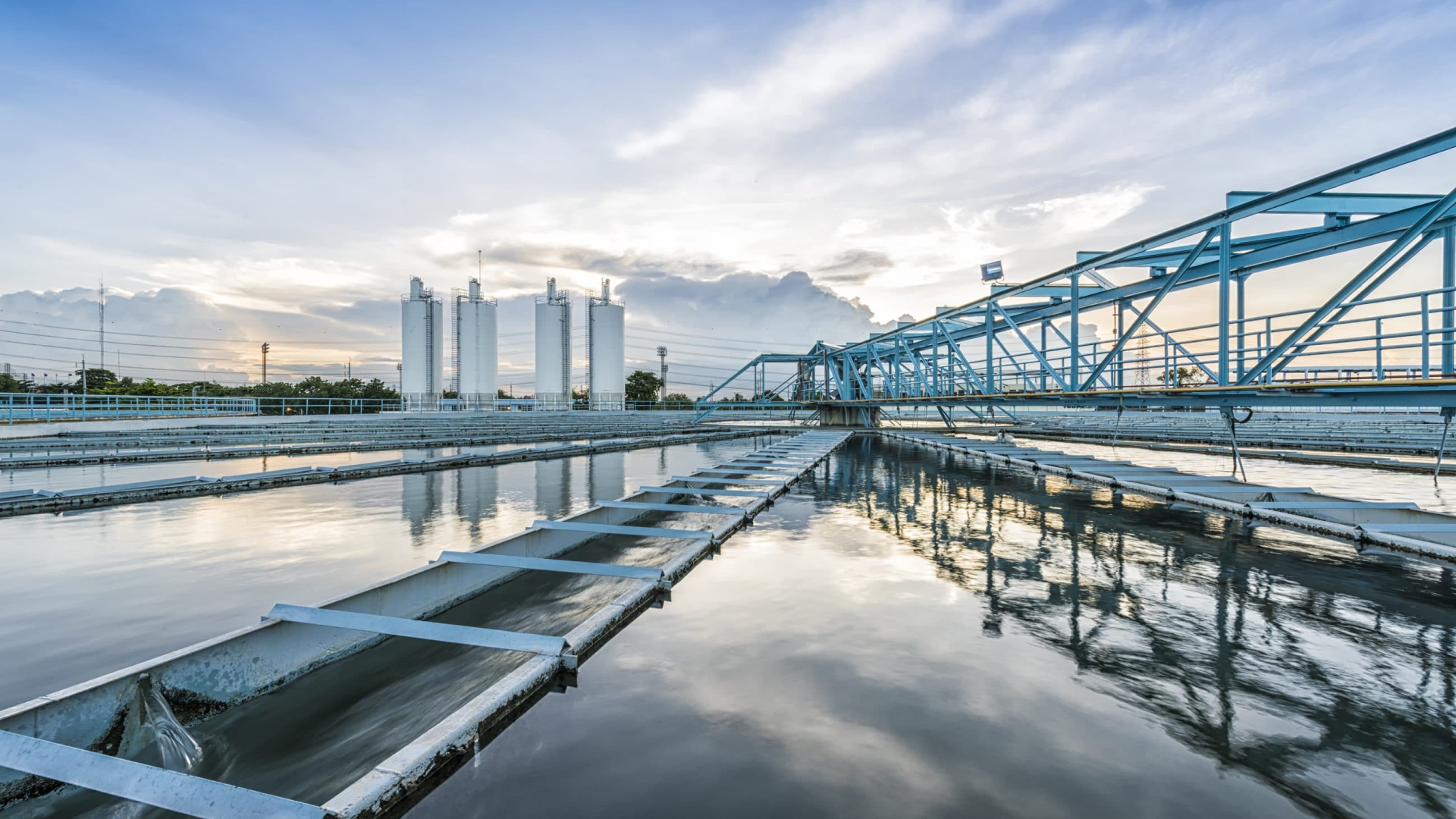
Industrial facilities around the world are facing growing pressure to reduce wastewater discharge, improve environmental compliance, and conserve water resources. As freshwater scarcity intensifies and environmental regulations become stricter, industries are increasingly adopting advanced wastewater treatment technologies that support sustainable water management and near complete water recovery.
One of the most effective solutions leading this transformation is the Zero Liquid Discharge system, commonly known as ZLD.
A Zero Liquid Discharge system is designed to eliminate liquid waste discharge from industrial operations by recovering and reusing almost all wastewater generated during production processes. Instead of discharging treated wastewater into the environment, ZLD systems convert wastewater into reusable water and solid waste residue.
For industries seeking long term sustainability, wastewater compliance, and operational resilience, Zero Liquid Discharge has become one of the most advanced and future focused wastewater management solutions available today.
At H4 Waterworks customized industrial water treatment and wastewater treatment systems help industrial facilities implement sustainable water infrastructure, industrial water reuse, and advanced wastewater recycling technologies tailored to their operational requirements.
What Is a Zero Liquid Discharge (ZLD) System?
A Zero Liquid Discharge system is an advanced industrial wastewater treatment process that recovers nearly all water from wastewater streams while minimizing liquid waste discharge.
The main objective of ZLD is simple:
Recover reusable water
Reduce wastewater discharge
Minimize environmental impact
Improve water sustainability solutions
Support industrial water reuse
In a properly designed ZLD system:
Treated water is reused within the facility
Dissolved solids are converted into solid waste for disposal or recovery
Liquid discharge is virtually eliminated
ZLD systems are widely used in industries where:
Water scarcity is a concern
Environmental regulations are strict
Wastewater contains high TDS concentrations
Water reuse is economically beneficial
Sustainability targets are prioritized
Industries researching advanced treatment infrastructure can also explore what industrial water treatment is and why it matters for a broader understanding of modern water management systems.
Why Industrial Plants Are Adopting Zero Liquid Discharge Systems
Industrial facilities generate large volumes of wastewater containing:
Dissolved salts
Heavy metals
Chemicals
Oils and grease
Organic contaminants
Toxic compounds
Industrial sludge
Traditional wastewater treatment systems often discharge treated effluent into nearby water bodies, which can still pose environmental risks.
Zero Liquid Discharge systems help industries:
Achieve wastewater compliance
Reduce freshwater dependency
Support environmental sustainability
Improve ESG performance
Meet industrial discharge standards
Lower long term water procurement costs
As global water scarcity solutions become increasingly important, ZLD systems are now viewed as a strategic investment rather than simply a compliance requirement.
Facilities evaluating sustainable infrastructure strategies may also benefit from this article on benefits of water recycling systems for industrial facilities.
How a Zero Liquid Discharge System Works
A Zero Liquid Discharge system combines multiple advanced water treatment technologies to maximize water recovery and minimize waste.
Step 1: Pretreatment Process
Wastewater first undergoes pretreatment to remove:
Suspended solids
Oils and grease
Large particles
Organic contaminants
Common pretreatment technologies include:
Dissolved air flotation
Clarifiers
Biological wastewater treatment
Sludge treatment systems
Chemical dosing systems
This stage improves downstream treatment efficiency and protects membrane filtration systems.
Step 2: Membrane Filtration
After pretreatment, wastewater passes through membrane filtration systems such as:
Ultrafiltration systems
Nanofiltration technology
Reverse osmosis systems
These technologies separate dissolved contaminants and recover clean water for reuse.
Step 3: Reverse Osmosis Treatment
A reverse osmosis system plays a critical role in ZLD operations by reducing:
Total Dissolved Solids (TDS)
Salinity
Chemical contaminants
Dissolved impurities
Industrial RO plants recover a large percentage of water for reuse in:
Cooling systems
Boiler feed water
Industrial process water
Utility water management
Facilities looking to better understand this technology can review reverse osmosis systems for industrial applications.
Step 4: Thermal Evaporation
The remaining concentrated wastewater, called brine, is treated using thermal evaporation systems.
Evaporators separate water vapor from dissolved solids, allowing additional water recovery.
Step 5: Crystallization
Crystallizers convert remaining dissolved solids into solid crystals or sludge.
The recovered solids can then be:
Disposed safely
Recycled
Processed for resource recovery
At this stage, liquid discharge is nearly eliminated.
Key Components of a ZLD System
Reverse Osmosis Systems
RO water treatment systems are essential for:
High recovery rates
Industrial water reuse
TDS control
Wastewater recycling
Ultrafiltration Systems
Ultrafiltration systems improve:
Membrane protection
Water clarity
Suspended solids removal
Pretreatment efficiency
Evaporators
Evaporators recover water from concentrated wastewater streams through thermal separation.
Crystallizers
Crystallizers remove dissolved salts and produce solid waste residue.
Smart Monitoring Systems
Modern ZLD systems use smart water monitoring and treatment plant automation to improve operational efficiency and reduce downtime.
Businesses focused on digital transformation may also explore smart water management solutions for modern industries.
Industries Using Zero Liquid Discharge Systems
Power Plants
Thermal power plants generate high volumes of wastewater and cooling tower blowdown that require advanced treatment.
Textile Manufacturing
Textile wastewater contains dyes, chemicals, and high TDS concentrations that make ZLD systems highly beneficial.
Pharmaceutical Facilities
Pharmaceutical wastewater often contains complex chemical compounds requiring advanced wastewater filtration and recovery technologies.
Oil and Gas Operations
Produced water treatment and industrial effluent treatment are major applications for ZLD systems in the oil and gas industry.
Chemical Manufacturing
Chemical facilities use ZLD systems to manage hazardous wastewater streams while improving wastewater compliance.
Mining and Metal Processing
Mining wastewater often contains heavy metals and dissolved contaminants requiring specialized industrial wastewater treatment.
Benefits of Zero Liquid Discharge Systems
Improved Environmental Compliance
ZLD systems help facilities comply with strict industrial discharge standards and environmental regulations by minimizing wastewater discharge.
This reduces:
Environmental liabilities
Regulatory risks
Pollution concerns
Groundwater contamination
Companies focused on regulatory performance can also read how industrial wastewater treatment supports environmental compliance.
Maximum Water Recovery
Modern ZLD systems can recover up to 95 percent or more of wastewater for reuse.
This significantly reduces:
Freshwater consumption
Utility costs
Water procurement dependency
Sustainable Water Management
ZLD supports:
Water conservation technologies
Industrial water reuse
Wastewater recycling
Circular water economy goals
Sustainable infrastructure development
Reduced Environmental Impact
By eliminating liquid discharge, ZLD systems help protect:
Rivers and lakes
Groundwater resources
Marine ecosystems
Local water supplies
Long Term Cost Savings
Although initial investment costs may be high, long term savings often come from:
Reduced water purchasing
Lower wastewater disposal costs
Reduced environmental penalties
Improved operational efficiency
Common Challenges of Zero Liquid Discharge Systems
High Initial Capital Costs
ZLD systems require advanced equipment and infrastructure, making them more expensive than traditional wastewater treatment systems.
Energy Consumption
Thermal evaporation processes can consume significant energy if not optimized properly.
Complex System Design
Every industrial wastewater stream has unique characteristics requiring customized engineering solutions.
Scaling and Fouling
Membrane filtration systems and evaporators may experience scaling if pretreatment is inadequate.
Maintenance Requirements
ZLD systems require regular plant maintenance and operational oversight to maintain efficiency.
Facilities planning infrastructure modernization can explore professional maintenance solutions to improve long term system performance and reliability.
Best Practices for Successful ZLD Implementation
Conduct Comprehensive Wastewater Analysis
Understanding wastewater composition is essential for designing efficient ZLD systems.
Optimize Pretreatment Processes
Proper pretreatment improves membrane life and reduces operational costs.
Integrate Smart Water Monitoring
Real time monitoring improves operational efficiency and predictive maintenance.
Prioritize Energy Efficiency
Modern treatment plant automation and heat recovery technologies help reduce energy consumption.
Partner With Experienced Water Treatment Experts
Successful ZLD implementation requires expertise in:
Industrial wastewater treatment
Membrane filtration
Utility water management
Environmental engineering solutions
Wastewater operations management
Organizations implementing advanced infrastructure upgrades can also review customized system upgrades designed for industrial water treatment optimization.
Technologies Supporting Modern ZLD Systems
Membrane Bioreactor Systems
Membrane bioreactor systems improve biological treatment efficiency while reducing system footprint.
Advanced Oxidation Process
Advanced oxidation processes remove difficult organic contaminants from industrial wastewater.
Nanofiltration Technology
Nanofiltration technology helps remove dissolved contaminants while improving water recovery efficiency.
AI Driven Smart Monitoring
AI powered analytics improve:
Predictive maintenance
Treatment optimization
Energy management
Water recovery performance
Future Trends in Zero Liquid Discharge
The future of Zero Liquid Discharge systems is being shaped by:
AI powered automation
Energy efficient evaporators
Advanced membrane filtration
Resource recovery technologies
Decentralized wastewater infrastructure
Carbon reduction initiatives
Smart industrial water management
As industries continue prioritizing sustainability and water conservation, ZLD adoption is expected to grow rapidly worldwide.
Frequently Asked Questions
What is a Zero Liquid Discharge system?
A Zero Liquid Discharge system is an advanced wastewater treatment process that recovers reusable water while eliminating nearly all liquid waste discharge.
Why are ZLD systems important for industries?
ZLD systems help industries improve environmental compliance, conserve water, reduce wastewater discharge, and support sustainability goals.
Which industries commonly use ZLD systems?
Power plants, textiles, pharmaceuticals, chemicals, oil and gas, mining, and manufacturing industries commonly use Zero Liquid Discharge systems.
How much water can a ZLD system recover?
Many modern ZLD systems can recover 95 percent or more of wastewater for industrial reuse applications.
What technologies are used in ZLD systems?
ZLD systems commonly use reverse osmosis systems, ultrafiltration systems, evaporators, crystallizers, membrane filtration, and smart monitoring technologies.
Are Zero Liquid Discharge systems expensive?
Initial costs can be high, but long term savings from water reuse, reduced disposal costs, and improved compliance often justify the investment.
Internal Linking Suggestions for SEO
To strengthen semantic SEO and user engagement, this article can internally link to:
Industrial Water Treatment Solutions
Wastewater Treatment Systems
Reverse Osmosis Systems
Ultrafiltration Technologies
Water Recycling Systems
Smart Water Monitoring
Desalination Solutions
Plant Maintenance & Operations
Readers interested in broader wastewater infrastructure strategies can also browse the latest insights and technical resources available on the H4 Waterworks blog.
Conclusion
Zero Liquid Discharge systems are transforming how industrial facilities manage wastewater, water reuse, and environmental compliance. By recovering reusable water and eliminating liquid discharge, ZLD systems help industries reduce environmental impact while supporting sustainable water management and long term operational resilience.
As global water scarcity, environmental regulations, and industrial sustainability demands continue growing, Zero Liquid Discharge technology will play an increasingly important role in modern industrial infrastructure.
Learn more about the company’s expertise and sustainability driven approach on the H4 Waterworks About page. Organizations looking to implement Zero Liquid Discharge systems, improve wastewater reuse, and modernize industrial water infrastructure can connect with technical experts through the H4 Waterworks Contact page to request a consultation and explore customized ZLD solutions for their facility.