
The Role of Filtration Systems in Industrial Water Purification
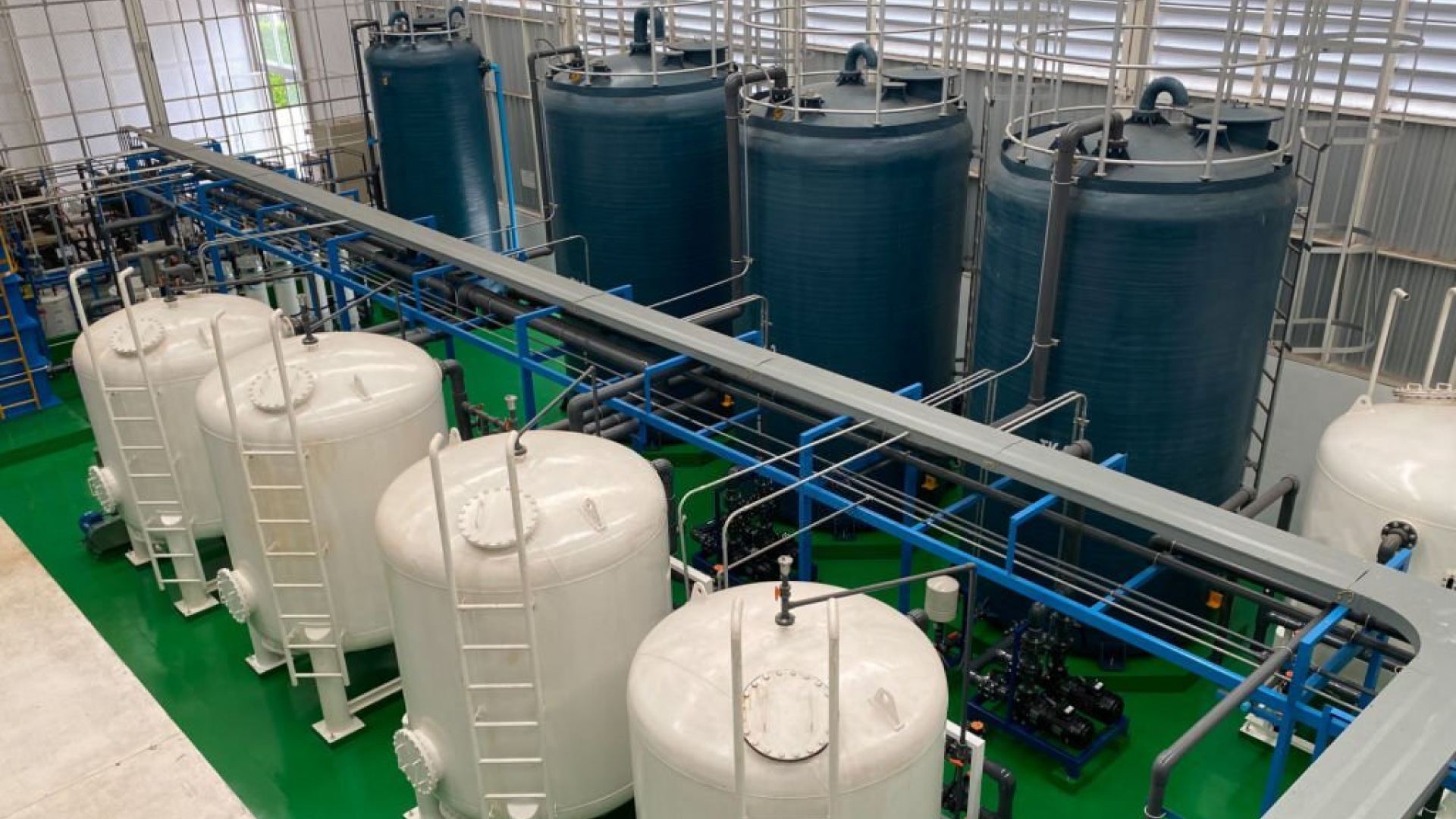
Water is one of the most critical resources in industrial operations. From manufacturing plants and power generation facilities to food processing units and pharmaceutical production, industries rely heavily on consistent access to high quality water for operational efficiency, equipment protection, product quality, and environmental compliance.
However, untreated or poorly treated water can contain suspended solids, dissolved contaminants, microorganisms, oils, chemicals, heavy metals, and other impurities that negatively affect industrial processes and infrastructure. This is where industrial filtration systems play a vital role.
Modern filtration systems are the foundation of industrial water purification. They help industries remove contaminants, improve water quality, support wastewater treatment systems, enhance operational reliability, and enable sustainable water management practices.
As water scarcity, environmental regulations, and industrial sustainability goals continue to shape global infrastructure strategies, advanced filtration technologies have become essential for industrial water treatment and wastewater recycling.
At H4 Waterworks customized industrial water treatment and wastewater management solutions are designed to help facilities optimize water purification performance, improve wastewater compliance, and support long term operational sustainability.
What Are Industrial Filtration Systems?
Industrial filtration systems are water treatment technologies designed to remove physical, chemical, and biological contaminants from water and wastewater streams.
These systems are used in:
Industrial water treatment
Wastewater treatment systems
Reverse osmosis pretreatment
Water recycling systems
Potable water treatment
Industrial wastewater treatment
Utility water management
Desalination systems
The main purpose of filtration systems is to improve water quality by removing:
Suspended solids
Sediment
Oils and grease
Organic matter
Microorganisms
Heavy metals
Dissolved impurities
Chemical contaminants
Filtration systems help industries maintain water quality compliance while protecting equipment and optimizing industrial processes.
Businesses exploring broader treatment strategies can also review what industrial water treatment is and why it matters to better understand the importance of modern water infrastructure.
Why Filtration Systems Are Important in Industrial Water Purification
Industrial processes often require highly controlled water quality standards. Poor water quality can cause:
Equipment scaling
Membrane fouling
Corrosion
Reduced process efficiency
Product contamination
Increased maintenance costs
Environmental compliance failures
Filtration systems play a critical role in preventing these issues while supporting sustainable water infrastructure.
Key Objectives of Industrial Filtration
Industrial filtration systems are designed to:
Improve water purification performance
Protect downstream equipment
Reduce contaminant loads
Support wastewater recycling
Enhance water reuse technologies
Improve operational efficiency
Reduce chemical consumption
Support environmental sustainability
Industries facing increasing operational demands may also benefit from this guide on why industrial water treatment is essential for modern manufacturing plants.
How Filtration Systems Work
Industrial filtration systems use physical, chemical, and membrane based processes to separate contaminants from water.
Depending on treatment requirements, filtration systems may remove:
Large suspended particles
Fine solids
Dissolved salts
Biological contaminants
Chemical pollutants
Different industries require different levels of filtration depending on water source quality and operational demands.
Types of Filtration Systems Used in Industrial Water Treatment
Multimedia Filtration Systems
Multimedia filtration systems use layers of filtration media such as sand, gravel, and anthracite to remove suspended solids and turbidity.
These systems are commonly used for:
Pretreatment applications
Groundwater treatment
Cooling water treatment
Utility water management
Benefits include:
Improved water clarity
Reduced sediment
Lower turbidity levels
Protection for downstream equipment
Activated Carbon Filtration
Activated carbon filters remove:
Organic compounds
Chlorine
Odors
Taste causing contaminants
Chemical pollutants
These systems are widely used in:
Potable water treatment
Industrial process water
Wastewater filtration
Reverse osmosis pretreatment
Cartridge Filtration Systems
Cartridge filters remove fine suspended particles before water enters sensitive equipment such as reverse osmosis systems and ultrafiltration systems.
These filters help:
Reduce membrane fouling
Improve RO performance
Enhance water purification efficiency
Ultrafiltration Systems
Ultrafiltration systems use membrane filtration technology to remove:
Bacteria
Viruses
Colloidal particles
Suspended solids
Organic contaminants
Ultrafiltration systems are widely used in:
Industrial wastewater treatment
Water recycling systems
Tertiary treatment
Desalination pretreatment
Benefits include:
High quality filtration
Reduced chemical use
Improved wastewater reuse
Better membrane protection
Organizations evaluating membrane technologies can explore smart water management solutions for modern industries to understand how automation improves treatment efficiency.
Reverse Osmosis Systems
A reverse osmosis system is one of the most advanced industrial water purification technologies available.
RO water treatment removes:
Dissolved salts
TDS
Heavy metals
Chemical contaminants
Microscopic impurities
Industrial RO plants are commonly used for:
Boiler feed water
High purity manufacturing
Desalination systems
Industrial water reuse
Wastewater recycling
For deeper technical insight, businesses can review reverse osmosis systems for industrial applications.
Nanofiltration Technology
Nanofiltration technology operates between ultrafiltration and reverse osmosis in filtration precision.
It is effective for:
Softening water
Removing dissolved organics
Partial desalination
Industrial process water treatment
Membrane Bioreactor Systems
Membrane bioreactor systems combine biological wastewater treatment with membrane filtration to produce high quality treated water suitable for reuse.
MBR systems support:
Wastewater recycling
BOD reduction
Sustainable water management
Compact treatment plant design
The Role of Filtration Systems in Wastewater Treatment
Filtration systems are essential in modern wastewater treatment systems because they improve contaminant removal efficiency while enabling wastewater reuse.
In industrial wastewater treatment, filtration technologies help remove:
Suspended solids
Biological contaminants
Oils and grease
Dissolved pollutants
Toxic compounds
Filtration systems are commonly integrated into:
Effluent treatment plants
Sewage treatment plants
Zero liquid discharge systems
Water recycling systems
These systems support industrial discharge standards and wastewater compliance regulations.
Facilities implementing advanced recycling infrastructure may also benefit from reading about Zero Liquid Discharge systems for industrial plants.
Benefits of Filtration Systems in Industrial Water Purification
Improved Water Quality
Filtration systems help industries maintain stable water quality standards for production and operational applications.
Enhanced Equipment Protection
Clean water reduces:
Corrosion
Scaling
Fouling
Membrane damage
Pump failures
This improves equipment lifespan and operational reliability.
Reduced Operational Costs
Efficient filtration systems lower:
Maintenance expenses
Chemical usage
Energy consumption
Equipment replacement costs
Support for Water Recycling
Advanced filtration systems enable industrial water reuse and wastewater recycling programs that reduce freshwater demand.
Companies prioritizing sustainability can also explore the benefits of water recycling systems for industrial facilities.
Better Environmental Compliance
Filtration systems help facilities meet:
Water quality compliance standards
Pollution control regulations
Wastewater discharge requirements
Improved Sustainability Performance
Water conservation technologies and wastewater reuse support environmental sustainability and ESG initiatives.
Industries That Rely on Industrial Filtration Systems
Manufacturing Facilities
Manufacturing industries use filtration systems for:
Process water treatment
Cooling water management
Industrial wastewater treatment
Food and Beverage Processing
Food manufacturers require advanced water purification systems for hygiene, product quality, and wastewater management.
Pharmaceutical Industry
Pharmaceutical facilities rely on high purity water systems and advanced membrane filtration technologies.
Oil and Gas Operations
Oil and gas facilities use industrial filtration systems for produced water treatment and wastewater recycling.
Power Plants
Power generation facilities require filtration systems for boiler feed water, cooling systems, and wastewater management.
Municipal Water Infrastructure
Municipal facilities use filtration systems in potable water treatment and sewage recycling applications.
Common Problems Caused by Poor Filtration
Facilities operating inadequate filtration systems may experience:
Frequent membrane fouling
Equipment corrosion
Poor water quality
Increased downtime
Compliance failures
Higher operational costs
Reduced treatment efficiency
Poor filtration also limits the effectiveness of downstream water treatment technologies.
Facilities experiencing recurring system issues may also find value in maintenance solutions designed to improve treatment reliability and infrastructure performance.
Best Practices for Industrial Filtration System Performance
Conduct Regular Water Quality Testing
Routine monitoring helps identify contamination trends and optimize filtration performance.
Use Proper Pretreatment
Effective pretreatment improves membrane life and reduces maintenance costs.
Prioritize Preventive Maintenance
Regular cleaning and maintenance improve filtration efficiency and system reliability.
Integrate Smart Monitoring Systems
Smart water monitoring technologies improve operational visibility and predictive maintenance.
Customize Filtration Solutions
Every facility has unique water quality requirements and operational demands.
Customized industrial solutions deliver better long term performance than generic systems.
Organizations modernizing treatment infrastructure can explore tailored system upgrades designed to improve operational efficiency and water purification performance.
Emerging Trends in Industrial Water Filtration
The future of industrial water purification is being shaped by:
AI powered smart monitoring systems
Advanced membrane filtration
Energy efficient desalination systems
Sustainable wastewater recycling
Zero liquid discharge systems
Automated treatment plant operations
Smart industrial water management
Water conservation technologies
Industries are increasingly investing in intelligent water infrastructure that improves efficiency while reducing environmental impact.
Frequently Asked Questions
What are industrial filtration systems?
Industrial filtration systems remove contaminants, suspended solids, dissolved impurities, and biological pollutants from water and wastewater streams.
Why are filtration systems important in water treatment?
Filtration systems improve water quality, protect equipment, support wastewater recycling, and help facilities meet environmental compliance standards.
What is the difference between ultrafiltration and reverse osmosis?
Ultrafiltration removes suspended solids and microorganisms, while reverse osmosis removes dissolved salts and microscopic contaminants.
Can filtration systems support wastewater reuse?
Yes. Advanced filtration systems are widely used in water recycling systems and industrial water reuse applications.
What industries use industrial filtration systems?
Manufacturing, pharmaceuticals, food processing, oil and gas, power generation, and municipal utilities all rely on industrial filtration technologies.
How do filtration systems improve sustainability?
Filtration systems reduce water waste, support wastewater recycling, improve water conservation, and lower environmental impact.
Internal Linking Suggestions for SEO
To improve semantic SEO and engagement, this article can internally link to:
Industrial Water Treatment Solutions
Wastewater Treatment Systems
Reverse Osmosis Systems
Ultrafiltration Technologies
Water Recycling Systems
Desalination Solutions
Smart Water Monitoring
Plant Maintenance & Operations
Readers interested in additional water infrastructure insights can browse the latest technical resources and industry updates on the H4 Waterworks blog.
Conclusion
Filtration systems are a critical component of modern industrial water purification and wastewater treatment infrastructure. From protecting equipment and improving water quality to supporting wastewater recycling and environmental compliance, advanced filtration technologies help industries operate more efficiently and sustainably.
As industrial operations continue facing growing water challenges, advanced filtration systems will play an increasingly important role in sustainable water management, industrial water reuse, and smart water infrastructure development.
Learn more about the company’s expertise and sustainability focused approach on the H4 Waterworks About page. Organizations looking to improve industrial water purification, optimize wastewater treatment systems, and implement advanced filtration solutions can connect with the technical experts through the H4 Waterworks Contact page to request a consultation and explore customized water treatment solutions.