
Sustainable Water Management Strategies for Businesses
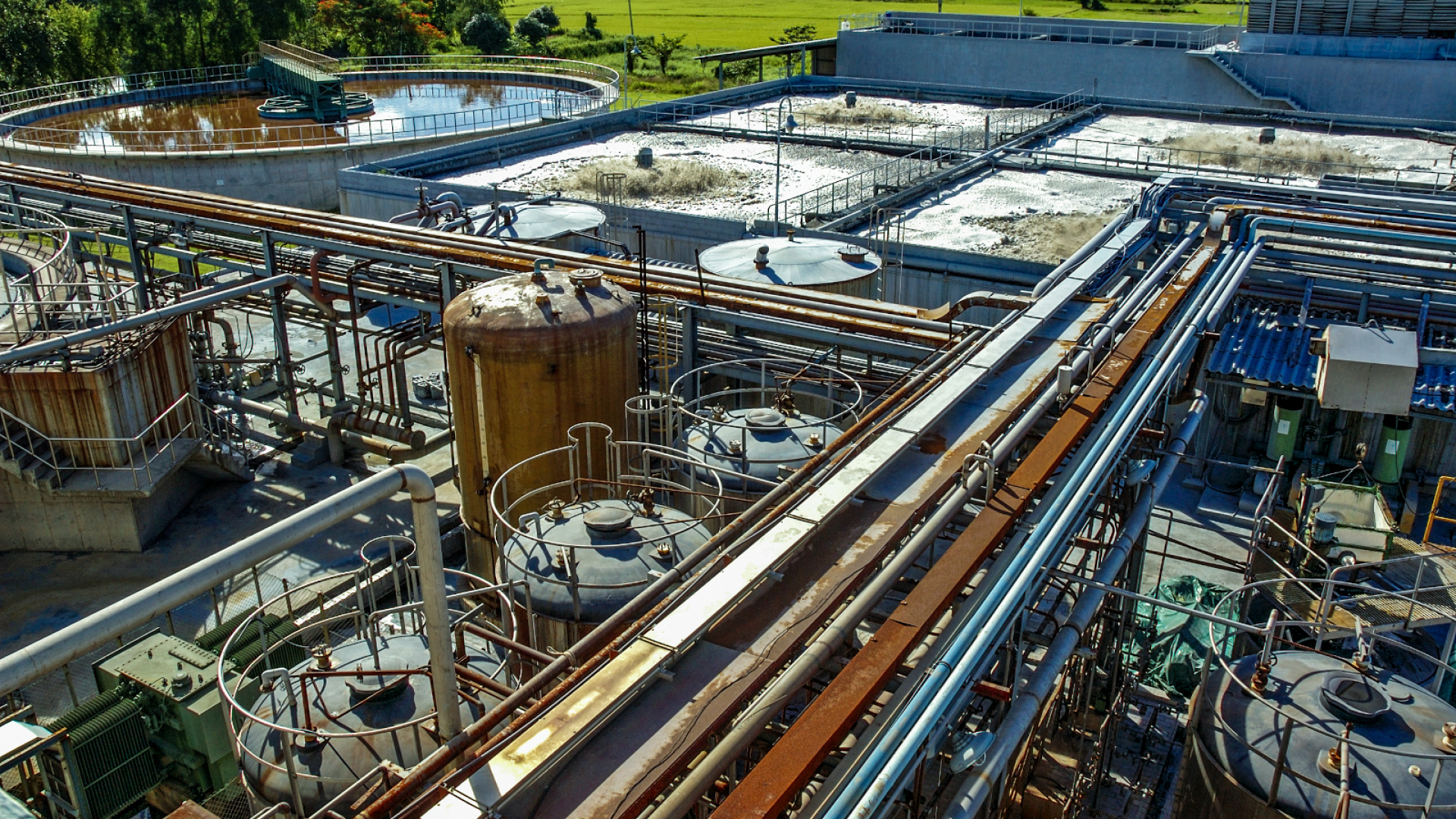
Water is becoming one of the most valuable operational resources for modern businesses. As industries face rising utility costs, stricter environmental regulations, climate related water scarcity, and increasing sustainability expectations, sustainable water management has shifted from an environmental initiative to a core business strategy.
Organizations across manufacturing, commercial infrastructure, hospitality, energy, pharmaceuticals, food processing, and municipal operations are now investing in advanced water treatment solutions, wastewater recycling systems, and smart water management technologies to reduce water waste, improve operational efficiency, and strengthen long term environmental resilience.
Businesses that fail to modernize their water infrastructure may face higher operating costs, compliance risks, supply disruptions, and growing pressure from regulators, investors, and consumers demanding stronger environmental responsibility.
At H4 Waterworks, customized industrial water treatment and wastewater management solutions help businesses worldwide implement sustainable water infrastructure designed for efficiency, compliance, and long term operational performance.
What Is Sustainable Water Management?
Sustainable water management refers to the responsible use, treatment, recycling, and conservation of water resources in ways that balance operational needs with environmental protection and long term resource availability.
For businesses, sustainable water management involves:
Reducing water consumption
Improving water efficiency
Recycling wastewater
Optimizing water treatment systems
Preventing pollution
Supporting environmental sustainability
Improving wastewater compliance
Reducing operational risks
The goal is to create a reliable and resilient water management strategy that supports both business growth and environmental responsibility.
For organizations beginning their sustainability journey, understanding what industrial water treatment is and why it matters provides a strong foundation for effective water management planning.
Why Sustainable Water Management Matters for Businesses
Water related challenges are growing rapidly across industries worldwide.
Businesses now face:
Increasing freshwater scarcity
Rising water procurement costs
Stricter wastewater discharge standards
Aging infrastructure
Growing ESG expectations
Climate related operational risks
Expanding environmental regulations
At the same time, industrial operations consume enormous amounts of water for:
Manufacturing processes
Cooling systems
Boiler feed applications
Cleaning operations
Utility water management
Product processing
Wastewater treatment systems
Without efficient water management strategies, businesses risk operational inefficiencies, environmental liabilities, and long term sustainability challenges.
As discussed in why industrial water treatment is essential for modern manufacturing plants, water efficiency is increasingly becoming a competitive business advantage.
Key Sustainable Water Management Strategies for Businesses
Conduct Comprehensive Water Audits
A detailed water audit is the foundation of any sustainable water management plan.
Water audits help businesses:
Identify water consumption patterns
Detect leaks and inefficiencies
Analyze wastewater generation
Measure operational water losses
Evaluate treatment system performance
Understanding how water moves throughout a facility allows organizations to identify opportunities for optimization and conservation.
Invest in Advanced Water Treatment Solutions
Modern industrial water treatment systems improve water efficiency while supporting operational reliability and compliance.
Advanced water purification systems help businesses:
Improve water quality
Reduce contaminant loads
Protect equipment
Support wastewater recycling
Enable industrial water reuse
Depending on operational needs, businesses may implement:
Reverse osmosis systems
Ultrafiltration systems
Membrane filtration technologies
Industrial filtration systems
Desalination systems
Biological treatment systems
Facilities evaluating treatment improvements can also review top signs your facility needs a water treatment upgrade.
Implement Wastewater Recycling Systems
Wastewater recycling is one of the most effective strategies for reducing freshwater demand.
Modern water recycling systems allow businesses to recover treated wastewater for:
Cooling tower operations
Boiler feed water
Industrial process water
Irrigation
Facility cleaning
Utility applications
Industrial water reuse reduces operational costs while supporting water conservation technologies and environmental sustainability goals.
Businesses interested in maximizing reuse potential can explore the benefits of water recycling systems for industrial facilities.
Upgrade to Smart Water Monitoring Systems
Smart water management technologies provide real time operational visibility that improves efficiency and reduces waste.
Smart monitoring systems track:
Water consumption
Pressure levels
Flow rates
Water quality parameters
Chemical dosing
Energy usage
Equipment performance
Treatment plant automation and predictive analytics help businesses identify inefficiencies before they become major operational problems.
Many organizations are adopting smart water management solutions for modern industries to strengthen operational control and sustainability performance.
Optimize Wastewater Treatment Systems
Efficient wastewater treatment systems are essential for environmental compliance and sustainable infrastructure management.
Businesses should regularly evaluate:
Effluent treatment plant performance
Sewage treatment plant efficiency
Sludge treatment systems
Industrial wastewater treatment capacity
Membrane filtration effectiveness
Modernizing wastewater infrastructure improves treatment efficiency and supports wastewater reuse initiatives.
Additional guidance can be found in top wastewater treatment challenges in manufacturing industries.
Adopt Zero Liquid Discharge Strategies
Many industries are implementing zero liquid discharge systems to minimize wastewater disposal and maximize water recovery.
ZLD systems help businesses:
Recover reusable water
Reduce wastewater discharge
Improve wastewater compliance
Lower environmental impact
Support circular water economy goals
Zero liquid discharge systems are particularly valuable in water scarce regions and industries with high wastewater generation.
Businesses evaluating advanced recovery solutions should explore zero liquid discharge systems explained for industrial plants.
Improve Cooling Water Efficiency
Cooling systems are among the largest industrial water consumers.
Businesses can reduce water usage by:
Optimizing cooling tower cycles
Improving filtration systems
Implementing smart controls
Recovering condensate water
Reducing blowdown losses
Efficient cooling water management significantly improves overall water sustainability performance.
Reduce Chemical Consumption
Excessive chemical use increases operational costs and environmental impact.
Advanced treatment technologies such as:
Ultrafiltration systems
Reverse osmosis systems
Advanced oxidation process technologies
Membrane bioreactor systems
help reduce dependency on treatment chemicals while improving treatment efficiency.
The Role of Industrial Water Treatment in Sustainability
Industrial water treatment plays a critical role in helping businesses achieve:
Water quality compliance
Pollution control
Sustainable infrastructure goals
Environmental sustainability targets
Wastewater recycling objectives
Modern industrial wastewater treatment systems remove:
Suspended solids
Organic pollutants
Heavy metals
Dissolved salts
Toxic contaminants
This protects local ecosystems while enabling water reuse technologies.
Organizations can further understand compliance requirements through how industrial wastewater treatment supports environmental compliance.
Technologies Supporting Sustainable Water Management
Reverse Osmosis Systems
A reverse osmosis system removes dissolved impurities, salts, and contaminants from industrial water and wastewater streams.
RO water treatment supports:
Industrial water reuse
Desalination systems
High purity process water
Wastewater recycling
For a technical overview, review reverse osmosis systems and their industrial applications.
Ultrafiltration Systems
Ultrafiltration systems improve:
Water clarity
Membrane protection
Biological contaminant removal
Tertiary treatment efficiency
These systems are widely used in wastewater filtration and industrial process water treatment.
Membrane Bioreactor Systems
Membrane bioreactor systems combine biological wastewater treatment with membrane filtration to produce high quality reusable water.
MBR systems support:
Wastewater reuse
BOD reduction
Sustainable water management
Compact treatment infrastructure
Advanced Oxidation Process (AOP)
Advanced oxidation processes remove difficult contaminants that traditional treatment methods may not effectively eliminate.
Smart Water Management Platforms
AI driven analytics and smart monitoring systems improve:
Predictive maintenance
Treatment optimization
Water conservation
Utility water optimization
Wastewater operations management
Industry Applications of Sustainable Water Management
Manufacturing Industries
Manufacturing plants use sustainable water management strategies to improve industrial process water efficiency and reduce wastewater discharge.
Food and Beverage Processing
Food manufacturers implement water recycling systems and wastewater filtration technologies to reduce consumption and improve compliance.
Pharmaceutical Facilities
Pharmaceutical operations require advanced water purification systems and highly controlled wastewater treatment processes.
Commercial Infrastructure
Hotels, hospitals, resorts, and commercial buildings use smart water management technologies to improve utility efficiency.
Oil and Gas Operations
Oil and gas facilities implement industrial wastewater treatment and water reuse technologies to manage produced water sustainably.
Common Challenges Businesses Face
Aging Water Infrastructure
Older systems often lack automation, efficiency, and modern treatment capabilities.
Water Scarcity
Many regions face increasing pressure on freshwater resources.
Rising Utility Costs
Water procurement and wastewater disposal costs continue increasing globally.
Compliance Complexity
Environmental regulations are becoming stricter across industries.
Limited Operational Visibility
Without smart monitoring systems, businesses often struggle to identify inefficiencies and water losses.
Best Practices for Long Term Water Sustainability
Prioritize Preventive Maintenance
Regular plant maintenance improves reliability and treatment efficiency.
Professional maintenance solutions can help businesses reduce downtime and maximize equipment lifespan.
Invest in Scalable Infrastructure
Flexible treatment systems support future operational growth.
Organizations planning modernization initiatives can evaluate strategic system upgrades to improve efficiency and sustainability.
Integrate Automation
Treatment plant automation improves operational control and reduces waste.
Monitor Water Quality Continuously
Real time monitoring improves compliance and operational consistency.
Partner With Water Treatment Experts
Customized engineering solutions deliver better long term sustainability outcomes.
Future Trends in Sustainable Water Management
The future of sustainable water management is being shaped by:
AI powered water optimization
Smart industrial water management
Decentralized wastewater infrastructure
Energy efficient membrane filtration
Advanced wastewater recycling
Carbon conscious water treatment
Zero liquid discharge adoption
Circular water economy models
Businesses investing in sustainable water infrastructure today will be better positioned for future environmental and operational challenges.
Frequently Asked Questions
What is sustainable water management for businesses?
Sustainable water management involves reducing water waste, improving treatment efficiency, recycling wastewater, and protecting water resources through responsible operational practices.
Why is wastewater recycling important?
Wastewater recycling reduces freshwater demand, lowers operational costs, and supports environmental sustainability goals.
What technologies support sustainable water management?
Common technologies include reverse osmosis systems, ultrafiltration systems, membrane bioreactor systems, advanced oxidation processes, and smart water monitoring systems.
How can businesses reduce water consumption?
Businesses can reduce water use through water audits, recycling systems, automation, leak detection, and optimized treatment processes.
What is the role of smart water management?
Smart water management systems improve operational visibility, reduce waste, optimize treatment efficiency, and support predictive maintenance.
Which industries benefit most from sustainable water management?
Manufacturing, pharmaceuticals, food processing, energy, oil and gas, hospitality, and municipal infrastructure all benefit from sustainable water strategies.
Conclusion
Sustainable water management is no longer just an environmental initiative. It is a critical operational strategy that helps businesses improve efficiency, reduce costs, strengthen environmental compliance, and support long term resilience.
By investing in advanced industrial water treatment, wastewater recycling systems, smart monitoring technologies, filtration systems, and water reuse solutions, businesses can significantly improve sustainability performance while protecting valuable water resources.
Businesses can learn more about the company’s expertise on the About H4 Waterworks page, browse additional educational resources through the H4 Waterworks Blog, explore complementary infrastructure services such as irrigation services and well pump installation, or contact the H4 Waterworks team to discuss customized sustainable water management solutions tailored to their facility’s needs.