
Industrial RO Plants: Common Problems and Solutions
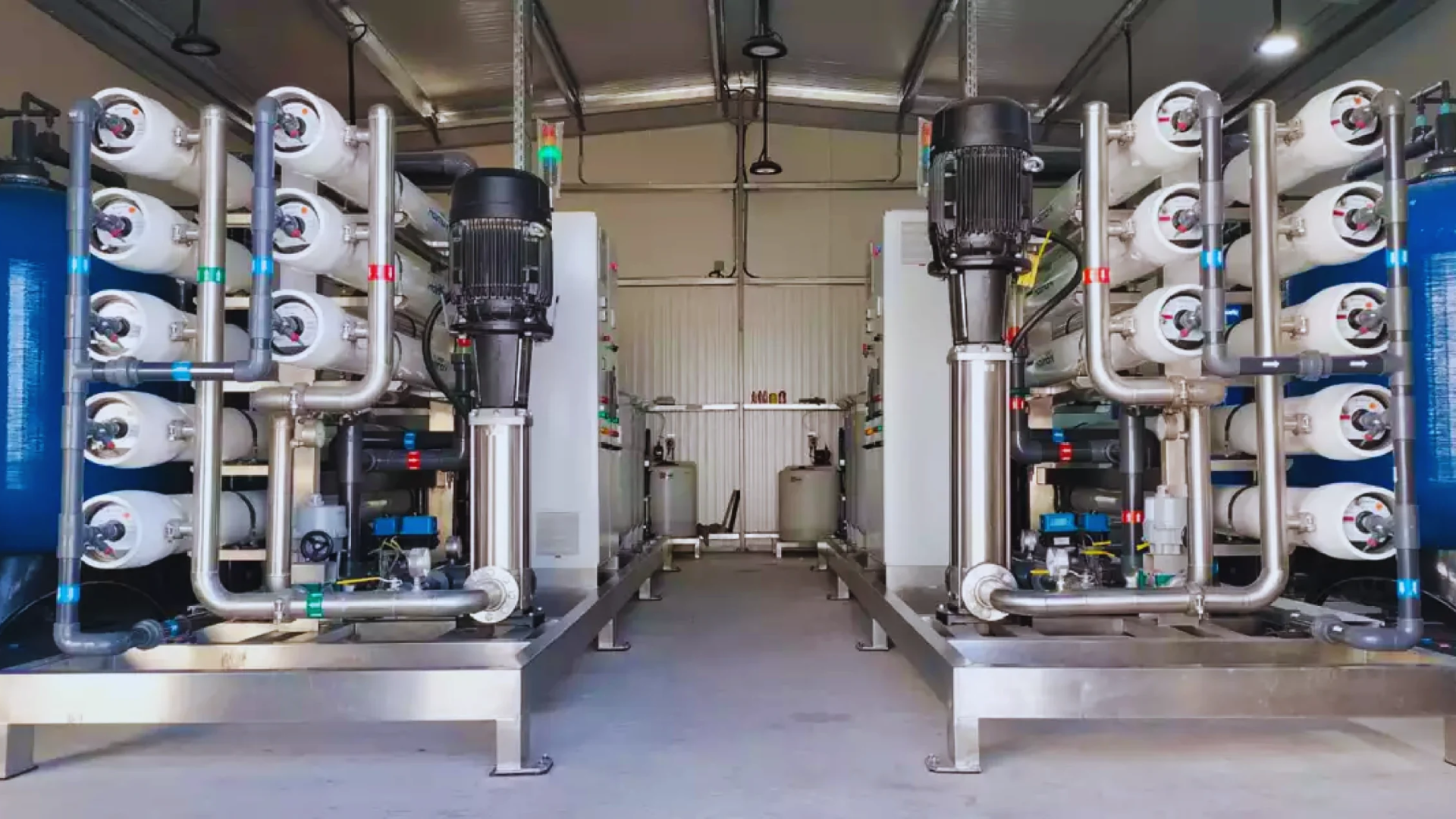
Industrial Reverse Osmosis (RO) plants are among the most widely used water purification systems in modern industrial operations. From manufacturing facilities and pharmaceutical plants to food processing units, power generation stations, and desalination systems, industrial RO plants play a critical role in producing high quality water for industrial processes, utility operations, and wastewater recycling.
However, despite their efficiency and reliability, industrial reverse osmosis systems can experience operational challenges that affect water quality, production efficiency, energy consumption, and equipment lifespan. Issues such as membrane fouling, scaling, pressure fluctuations, and declining recovery rates can quickly increase operational costs and reduce system performance if not addressed properly.
Understanding the most common industrial RO plant problems and their solutions helps facilities improve operational reliability, maintain water quality compliance, and support sustainable water management strategies.
At H4 Waterworks, customized industrial water treatment and wastewater management solutions help industries optimize reverse osmosis systems, improve wastewater treatment efficiency, and extend the life of critical water infrastructure.
What Is an Industrial RO Plant?
An industrial RO plant is a water purification system that uses reverse osmosis membrane technology to remove dissolved salts, suspended solids, heavy metals, bacteria, organic contaminants, and dissolved impurities from water.
Reverse osmosis systems are widely used in:
Industrial water treatment
Wastewater treatment systems
Water recycling systems
Desalination systems
Potable water treatment
Industrial wastewater treatment
Boiler feed water treatment
Process water purification
RO water treatment works by forcing water through semi permeable membranes under pressure, separating clean water from dissolved contaminants.
Industrial RO plants support:
TDS control
Water quality compliance
Industrial water reuse
Sustainable water management
Wastewater recycling
For a deeper understanding of how RO technology functions in industrial environments, explore the article on Reverse Osmosis Systems for Industrial Applications.
Why Industrial RO Plants Face Operational Problems
Industrial RO plants operate under demanding conditions that expose membranes and system components to:
High contaminant loads
Variable water quality
Chemical exposure
Pressure fluctuations
Biological contamination
Scaling minerals
Fouling agents
Without proper system design, pretreatment, monitoring, and maintenance, these factors can significantly reduce treatment efficiency and equipment reliability.
As highlighted in What Is Industrial Water Treatment and Why Does It Matter, effective treatment planning is essential for maintaining operational performance and regulatory compliance.
Common Problems in Industrial RO Plants
1. Membrane Fouling
Membrane fouling is one of the most common problems affecting industrial RO plants.
Fouling occurs when contaminants accumulate on membrane surfaces, restricting water flow and reducing treatment efficiency.
Common fouling types include:
Organic fouling
Biological fouling
Colloidal fouling
Particulate fouling
Signs of Membrane Fouling
Reduced permeate flow
Increased operating pressure
Poor water quality
Higher energy consumption
Reduced recovery rates
Solutions for Membrane Fouling
Install proper pretreatment systems
Use ultrafiltration systems before RO membranes
Conduct routine membrane cleaning
Optimize chemical dosing
Monitor feed water quality continuously
Membrane filtration pretreatment significantly improves RO system performance and membrane lifespan.
2. Scaling Problems
Scaling occurs when dissolved minerals precipitate and accumulate on membrane surfaces.
Common scaling compounds include:
Calcium carbonate
Calcium sulfate
Silica
Barium sulfate
Scaling reduces membrane efficiency and increases operational pressure.
Causes of Scaling
High TDS levels
Poor pretreatment
Inadequate antiscalant dosing
Excessive water recovery rates
Solutions for Scaling
Use antiscalant chemicals correctly
Optimize recovery rates
Install softening systems
Conduct regular membrane cleaning
Improve feed water pretreatment
Facilities evaluating broader treatment improvements may benefit from reviewing Top Signs Your Facility Needs a Water Treatment Upgrade.
3. Biofouling and Microbial Growth
Biological contamination can severely affect industrial RO plant performance.
Microorganisms form biofilms on membrane surfaces, reducing permeability and increasing pressure requirements.
Common Causes
Inadequate disinfection
High organic content
Poor system sanitation
Warm water conditions
Solutions for Biofouling
Implement regular sanitization
Use proper disinfection methods
Install activated carbon and ultrafiltration systems
Monitor biological activity closely
Maintain proper cleaning schedules
Smart water monitoring systems help detect biological contamination early.
4. High Energy Consumption
Industrial RO plants can consume significant energy, especially when systems are inefficient or poorly maintained.
Causes of High Energy Usage
Fouled membranes
High operating pressures
Incorrect pump sizing
Poor recovery optimization
Aging infrastructure
Solutions for Energy Efficiency
Replace aging membranes
Optimize operating pressure
Use energy recovery systems
Improve pretreatment efficiency
Upgrade to modern high efficiency pumps
Modern industrial water treatment systems are designed for improved energy performance and operational optimization. Similar efficiency strategies are discussed in Why Industrial Water Treatment Is Essential for Modern Manufacturing Plants.
5. Low Water Recovery Rates
Low recovery rates reduce system efficiency and increase wastewater generation.
Causes of Low Recovery
Poor system design
High fouling levels
Excessive concentrate discharge
Inadequate pretreatment
Solutions for Improving Recovery
Optimize membrane configuration
Improve pretreatment quality
Use staged RO systems
Integrate water recycling systems
Implement zero liquid discharge strategies
Organizations seeking greater sustainability can also explore the Benefits of Water Recycling Systems for Industrial Facilities and learn how Zero Liquid Discharge Systems support maximum water recovery.
6. Pressure Fluctuations
Pressure instability can damage membranes and reduce system performance.
Common Causes
Pump malfunctions
Air entrainment
Blocked filters
Valve issues
Inconsistent feed water supply
Solutions
Maintain pumps regularly
Install pressure monitoring systems
Use automated control systems
Inspect valves and pipelines routinely
Treatment plant automation improves operational stability and reduces pressure related failures.
7. Poor Water Quality Output
Industrial facilities rely on RO systems for consistent high purity water production.
Poor water quality can affect:
Product quality
Boiler operations
Manufacturing efficiency
Wastewater compliance
Causes
Membrane damage
Fouling
Seal leaks
Improper system operation
Solutions
Conduct regular membrane inspections
Replace damaged membranes promptly
Monitor conductivity and TDS continuously
Improve pretreatment processes
8. Frequent Membrane Replacement
RO membranes are expensive components, and frequent replacement increases operating costs.
Common Reasons for Short Membrane Life
Inadequate pretreatment
Poor cleaning practices
Chemical damage
Scaling and fouling
Pressure shocks
Solutions
Use high quality pretreatment systems
Follow manufacturer cleaning recommendations
Maintain stable operating conditions
Integrate smart monitoring systems
The Importance of Pretreatment in Industrial RO Plants
Proper pretreatment is essential for protecting reverse osmosis systems and improving long term performance.
Pretreatment technologies commonly include:
Multimedia filtration
Activated carbon filtration
Ultrafiltration systems
Chemical dosing systems
Water softeners
Dissolved air flotation systems
Effective pretreatment reduces:
Fouling risks
Scaling
Membrane damage
Maintenance frequency
Industries experiencing recurring treatment issues may find valuable insights in Top Wastewater Treatment Challenges in Manufacturing Industries.
Advanced Technologies Improving Industrial RO Plant Performance
Ultrafiltration Systems
Ultrafiltration systems remove suspended solids, bacteria, and colloidal particles before water enters RO membranes.
Benefits include:
Better membrane protection
Reduced fouling
Improved water quality
Longer membrane life
Smart Water Monitoring
Smart monitoring systems provide real time visibility into:
Pressure levels
Flow rates
Conductivity
Membrane performance
Energy usage
AI driven analytics improve predictive maintenance and operational efficiency. Learn more about emerging technologies in Smart Water Management Solutions for Modern Industries.
Membrane Bioreactor Systems
Membrane bioreactor systems combine biological wastewater treatment with membrane filtration for advanced wastewater reuse applications.
Zero Liquid Discharge Systems
Zero liquid discharge systems maximize water recovery while minimizing wastewater discharge.
These systems support:
Sustainable water management
Industrial water reuse
Environmental sustainability
Wastewater compliance
Organizations pursuing environmental goals can also explore how Industrial Wastewater Treatment Supports Environmental Compliance.
Industries That Depend on Industrial RO Plants
Pharmaceutical Manufacturing
Pharmaceutical facilities require high purity process water and wastewater filtration systems.
Food and Beverage Processing
RO systems help maintain product quality and support potable water treatment.
Power Generation
Power plants rely on RO water treatment for boiler feed water and cooling systems.
Oil and Gas Operations
Oil and gas industries use industrial wastewater treatment and desalination systems for produced water management.
Manufacturing Industries
Manufacturing plants depend on reverse osmosis systems for industrial process water and wastewater recycling.
Facilities evaluating treatment infrastructure upgrades should also review Top Signs Your Business Needs an Effluent Treatment Plant Upgrade and understand the distinctions between treatment technologies through Sewage Treatment Plant vs Effluent Treatment Plant.
Best Practices for Industrial RO Plant Maintenance
Conduct Routine Membrane Cleaning
Regular cleaning improves membrane performance and reduces fouling risks.
Monitor Water Quality Continuously
Continuous monitoring helps identify operational problems early.
Optimize Pretreatment Systems
Effective pretreatment extends membrane lifespan and improves treatment efficiency.
Maintain Proper Chemical Dosing
Correct dosing prevents scaling and biological contamination.
Invest in Smart Automation
Treatment plant automation improves system reliability and operational control.
Partner With Experienced Water Treatment Experts
Customized engineering and ongoing technical support improve long term RO system performance.
Comprehensive Maintenance Solutions, strategic System Upgrades, and ongoing technical support can help organizations maximize RO plant reliability and performance.
Future Trends in Industrial RO Plants
The future of industrial reverse osmosis systems is being shaped by:
AI driven predictive maintenance
Energy efficient membrane technologies
Smart industrial water management
Advanced membrane filtration
Sustainable wastewater recycling
Automated treatment plant optimization
Water conservation technologies
Zero liquid discharge integration
As industries continue prioritizing sustainability and operational efficiency, advanced industrial RO plants will remain central to modern water purification infrastructure.
Frequently Asked Questions
What is an industrial RO plant?
An industrial RO plant is a reverse osmosis water purification system designed to remove dissolved contaminants and produce high quality treated water for industrial applications.
What causes membrane fouling in RO systems?
Membrane fouling is caused by contaminants such as organic matter, suspended solids, microorganisms, and colloidal particles accumulating on membrane surfaces.
How can scaling in RO systems be prevented?
Scaling can be reduced through proper pretreatment, antiscalant dosing, optimized recovery rates, and routine membrane cleaning.
Why is pretreatment important for industrial RO plants?
Pretreatment protects membranes from fouling, scaling, and damage while improving overall system performance.
What industries commonly use industrial RO plants?
Pharmaceuticals, manufacturing, food processing, power generation, oil and gas, and municipal facilities commonly use industrial reverse osmosis systems.
How do smart monitoring systems improve RO plant performance?
Smart monitoring systems provide real time operational data that improves predictive maintenance, system optimization, and treatment efficiency.
Conclusion
Industrial RO plants are critical for modern industrial water purification, wastewater recycling, and sustainable water management. However, operational problems such as membrane fouling, scaling, biofouling, pressure instability, and poor recovery rates can significantly impact system performance if not managed properly.
By implementing effective pretreatment, smart monitoring systems, preventive maintenance, and advanced filtration technologies, facilities can improve RO plant efficiency, reduce operational costs, and extend equipment lifespan.
Businesses seeking tailored water infrastructure solutions can learn more through the About H4 Waterworks page, browse additional industry insights in the resource blog, explore specialized services such as well pump installation and irrigation services, or contact the H4 Waterworks team to discuss customized industrial RO and water treatment solutions.