
How Wastewater Recycling Reduces Operational Costs
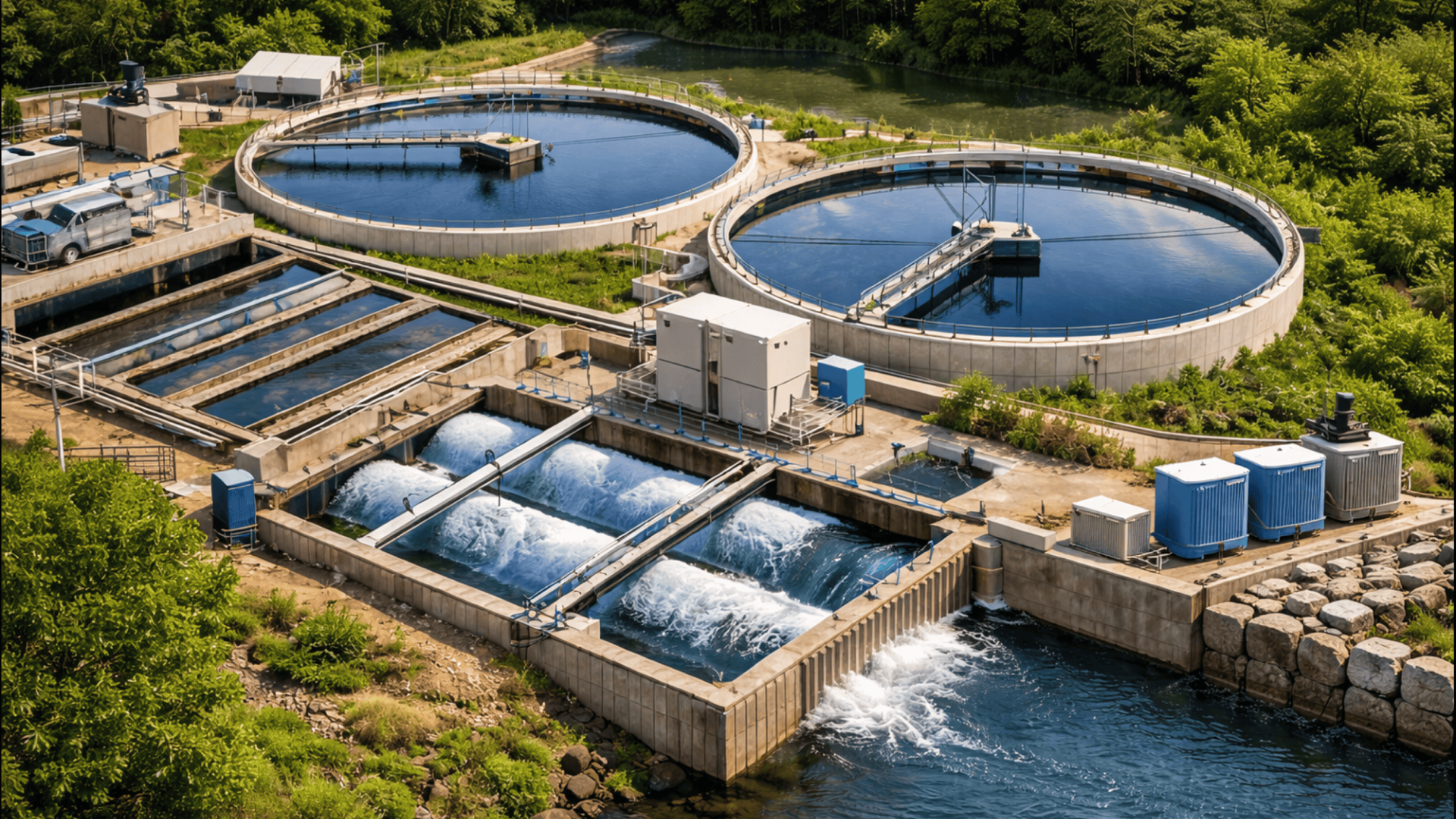
For modern industries, water is more than a utility. It is a critical operational resource that directly affects production efficiency, regulatory compliance, sustainability performance, and overall profitability. As water costs continue to rise and environmental regulations become more stringent, businesses are increasingly looking for ways to reduce water consumption while maintaining reliable operations.
One of the most effective strategies is wastewater recycling.
Wastewater recycling allows businesses to recover, treat, and reuse water that would otherwise be discharged as waste. By transforming wastewater into a valuable resource, organizations can significantly reduce operational costs, improve water security, and support long term sustainability goals.
From manufacturing facilities and power plants to food processing operations and commercial developments, wastewater recycling systems are becoming an essential component of modern water management strategies.
At H4 Waterworks , advanced water treatment solutions, industrial wastewater treatment systems, and water reuse technologies help organizations maximize water recovery while reducing operational expenses and environmental impact.
What Is Wastewater Recycling?
Wastewater recycling is the process of collecting, treating, and reusing wastewater generated from industrial, commercial, or municipal activities.
Rather than discharging wastewater after treatment, recycling systems recover water and prepare it for beneficial reuse in various applications.
Depending on treatment requirements, recycled water may be used for:
Industrial process water
Cooling tower operations
Boiler feed systems
Equipment cleaning
Irrigation
Utility water management
Manufacturing processes
Groundwater recharge
Modern wastewater recycling systems combine advanced treatment technologies such as reverse osmosis systems, ultrafiltration systems, membrane filtration, biological treatment systems, and smart monitoring technologies to produce high quality reusable water.
For a detailed overview of treatment technologies, readers can explore What Is Industrial Water Treatment and Why Does It Matter.
Why Water Costs Are Increasing for Businesses
Many organizations are experiencing rising water related expenses due to several factors:
Growing Water Scarcity
Global freshwater resources are under increasing pressure from population growth, industrial expansion, and climate variability.
Higher Utility Rates
Municipal water supply costs continue rising as infrastructure upgrades and resource management requirements increase.
Stricter Environmental Regulations
Industries face tighter wastewater compliance standards that often require more advanced treatment and monitoring.
Increased Wastewater Disposal Costs
Many facilities pay substantial fees for wastewater discharge, treatment, and environmental permitting.
Sustainability Expectations
Investors, customers, and regulators increasingly expect businesses to demonstrate responsible water management practices.
These factors make wastewater recycling an attractive financial and operational solution.
How Wastewater Recycling Reduces Operational Costs
Reduces Freshwater Purchase Costs
One of the most immediate benefits of wastewater recycling is the reduction in freshwater consumption.
Facilities that recycle treated wastewater require less water from:
Municipal supplies
Groundwater wells
Surface water sources
Purchased industrial water providers
For high water consumption industries, reducing freshwater demand can result in significant annual savings.
Example
A manufacturing facility using recycled water for cooling systems can dramatically reduce its reliance on expensive treated municipal water.
The larger the operation, the greater the potential savings.
Lowers Wastewater Disposal Expenses
Many businesses incur costs associated with:
Wastewater discharge permits
Treatment fees
Environmental monitoring
Waste hauling
Regulatory reporting
Wastewater recycling reduces discharge volumes, which lowers these expenses.
Facilities implementing advanced treatment technologies often experience measurable savings while strengthening environmental performance. Additional insights can be found in How Industrial Wastewater Treatment Supports Environmental Compliance.
Improves Water Recovery Rates
Modern industrial wastewater treatment systems recover a significant percentage of wastewater for reuse.
Technologies such as:
Reverse osmosis systems
Ultrafiltration systems
Membrane bioreactor systems
Nanofiltration technology
Advanced oxidation process systems
allow facilities to maximize water recovery and minimize waste.
Higher recovery rates translate directly into lower water procurement and disposal costs.
Organizations looking to maximize reuse efficiency can also review the Benefits of Water Recycling Systems for Industrial Facilities.
Reduces Energy Consumption Through Optimization
Although wastewater treatment requires energy, modern systems are designed to operate efficiently.
Smart water management systems help optimize:
Pump performance
Chemical dosing
Treatment cycles
Filtration operations
Water distribution
Treatment plant automation reduces unnecessary energy use and improves overall operational efficiency.
In many cases, optimized recycling systems consume less energy than sourcing, transporting, and disposing of large volumes of water.
Businesses exploring digital water strategies may benefit from reading about Smart Water Management Solutions for Modern Industries.
Extends Equipment Life
Poor water quality can cause:
Scaling
Corrosion
Membrane fouling
Equipment failures
Increased maintenance requirements
Wastewater recycling systems often include advanced water purification technologies that improve water quality before reuse.
Cleaner water helps protect:
Boilers
Cooling towers
Heat exchangers
Pumps
Industrial process equipment
Reduced wear and tear lowers maintenance expenses and extends equipment lifespan.
Supports Industrial Water Reuse
Industrial water reuse is one of the most effective ways to lower operating costs.
Recycled water can often replace freshwater in:
Cooling systems
Process operations
Cleaning activities
Utility applications
Landscape irrigation
Every gallon of water reused reduces the need for additional water purchases.
This creates ongoing cost savings throughout the life of the system.
Minimizes Regulatory Risks and Penalties
Environmental compliance failures can result in:
Fines
Enforcement actions
Production interruptions
Permit complications
Reputational damage
Advanced wastewater recycling systems help businesses maintain:
Water quality compliance
Industrial discharge standards
Environmental sustainability goals
Avoiding regulatory issues protects organizations from unexpected financial burdens.
Enhances Operational Resilience
Water supply disruptions can affect production schedules and operational continuity.
Facilities that rely heavily on external water sources may face:
Supply restrictions
Drought related limitations
Utility interruptions
Rising water costs
Water recycling systems provide a more reliable internal water source, reducing dependence on outside suppliers.
This improved resilience can prevent costly production downtime.
Industries Benefiting Most From Wastewater Recycling
Manufacturing Facilities
Manufacturing plants use large volumes of water for processing, cooling, and cleaning operations.
Wastewater recycling reduces:
Water procurement costs
Discharge volumes
Environmental impact
Many manufacturers are already adopting advanced treatment systems as outlined in Why Industrial Water Treatment Is Essential for Modern Manufacturing Plants.
Food and Beverage Processing
Food manufacturers use water extensively throughout production.
Advanced wastewater treatment systems support:
Water reuse
Compliance
Operational efficiency
Power Generation
Power plants consume significant amounts of water in cooling systems.
Recycled water helps reduce freshwater demand while supporting sustainable water management.
Oil and Gas Operations
Industrial wastewater treatment and water reuse technologies help oil and gas facilities manage produced water more efficiently.
Pharmaceutical Manufacturing
Pharmaceutical operations often require high quality water and strict environmental compliance.
Water recycling systems help reduce both operational costs and environmental risk.
Technologies That Enable Cost Effective Wastewater Recycling
Reverse Osmosis Systems
A reverse osmosis system removes dissolved salts, contaminants, and impurities from wastewater streams.
RO treatment supports:
Industrial water reuse
Desalination systems
High quality process water production
Water recycling systems
For a deeper understanding, see Reverse Osmosis Systems: How They Work for Industrial Applications.
Ultrafiltration Systems
Ultrafiltration systems remove:
Suspended solids
Bacteria
Viruses
Colloidal particles
These systems improve water quality and protect downstream equipment.
Membrane Bioreactor Systems
Membrane bioreactor systems combine biological wastewater treatment with membrane filtration.
Benefits include:
High quality recycled water
Compact design
Improved BOD reduction
Better wastewater reuse performance
Smart Water Monitoring Systems
Smart monitoring systems improve:
Water recovery efficiency
Treatment optimization
Predictive maintenance
Operational visibility
Real time data helps facilities reduce waste and improve performance.
Zero Liquid Discharge Systems
Zero liquid discharge systems maximize water recovery while minimizing wastewater discharge.
These systems are particularly beneficial in industries with high water consumption and strict environmental requirements.
Learn more about implementation strategies in Zero Liquid Discharge Systems Explained for Industrial Plants.
Common Mistakes Businesses Make
Viewing Recycling as a Compliance Expense
Many organizations focus only on compliance benefits and overlook the long term financial advantages of wastewater recycling.
Delaying Infrastructure Upgrades
Older wastewater treatment systems often operate less efficiently and generate higher costs.
Facilities experiencing recurring inefficiencies should evaluate Top Signs Your Facility Needs a Water Treatment Upgrade.
Ignoring Water Audits
Without understanding water usage patterns, facilities may miss valuable recycling opportunities.
Choosing Generic Solutions
Every facility has unique water quality and operational requirements.
Customized water treatment solutions typically deliver better performance and return on investment.
Best Practices for Maximizing Cost Savings
Conduct a Comprehensive Water Assessment
Evaluate water consumption, wastewater generation, and reuse opportunities across the facility.
Prioritize High Volume Reuse Applications
Focus on applications that consume the largest amounts of water.
Invest in Smart Water Management
Automation and monitoring technologies improve efficiency and reduce operational costs.
Optimize Treatment Processes
Modern treatment technologies improve water recovery while lowering maintenance requirements.
Work With Experienced Water Treatment Experts
Proper system design is essential for achieving long term performance and cost savings.
Organizations can further improve performance through professional Maintenance Solutions and strategic System Upgrades.
Future Trends in Wastewater Recycling
The future of wastewater recycling is being driven by:
AI powered treatment optimization
Smart water monitoring systems
Advanced membrane filtration
Industrial water reuse expansion
Decentralized treatment infrastructure
Energy efficient recycling technologies
Circular water economy initiatives
Zero liquid discharge adoption
As water becomes increasingly valuable, wastewater recycling will continue to play a critical role in reducing operational costs and supporting sustainable industrial growth.
Frequently Asked Questions
What is wastewater recycling?
Wastewater recycling is the process of treating and reusing wastewater for beneficial applications instead of discharging it as waste.
How does wastewater recycling reduce operational costs?
It reduces freshwater purchases, lowers wastewater disposal expenses, improves water recovery, protects equipment, and supports operational efficiency.
What industries benefit from wastewater recycling?
Manufacturing, food processing, pharmaceuticals, power generation, oil and gas, and commercial facilities all benefit from water reuse technologies.
What technologies are used in wastewater recycling?
Common technologies include reverse osmosis systems, ultrafiltration systems, membrane bioreactor systems, advanced oxidation processes, and smart monitoring systems.
Is wastewater recycling environmentally beneficial?
Yes. Wastewater recycling reduces freshwater consumption, lowers discharge volumes, and supports environmental sustainability.
Can recycled water be used in industrial processes?
Yes. Recycled water is commonly used for cooling towers, boiler feed systems, process water, cleaning operations, and utility applications.
Conclusion
Wastewater recycling is no longer simply an environmental initiative. It is a proven business strategy that helps organizations reduce operational costs, improve water security, strengthen environmental compliance, and support long term sustainability goals.
By implementing advanced wastewater treatment systems, water reuse technologies, and smart water management solutions, businesses can transform wastewater from a disposal challenge into a valuable operational asset.
To learn more about the company’s expertise and approach, visit the About H4 Waterworks page. Businesses can also explore additional resources in the H4 Waterworks Blog, review specialized infrastructure services such as Well Pump Installation and Irrigation Services, or contact the H4 Waterworks team to discuss customized wastewater recycling and water management solutions.