
Advanced Water Treatment Technologies Transforming Industries
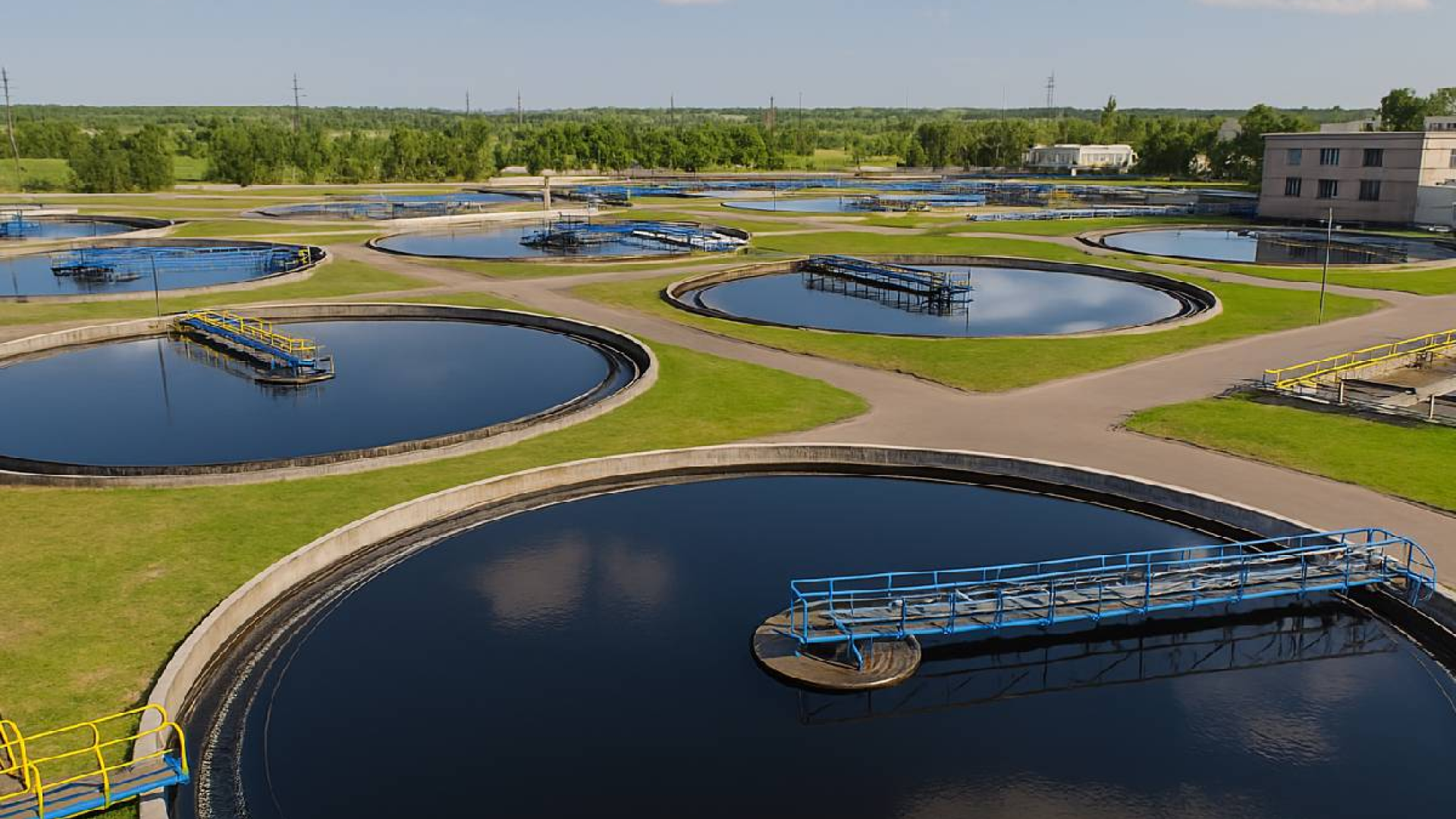
Water has always been one of the most valuable resources for industrial growth, but today it is also one of the most carefully managed. Rising water demand, stricter environmental regulations, increasing operational costs, and global sustainability goals are driving businesses to rethink how they treat, reuse, and manage water.
Across industries, advanced water treatment technologies are helping organizations improve water quality, reduce wastewater discharge, increase water recovery, and build more resilient operations. Modern solutions go far beyond traditional filtration methods, integrating smart automation, membrane technologies, and water recycling systems to maximize efficiency while supporting environmental compliance.
From manufacturing plants and municipalities to oil and gas operations, commercial facilities, and infrastructure developments, advanced water treatment solutions have become a critical investment for long-term success. At H4 Waterworks, customized industrial water treatment and wastewater management solutions help organizations implement innovative technologies that improve performance, reduce costs, and support sustainable water infrastructure.
What Are Advanced Water Treatment Technologies?
Advanced water treatment technologies are modern systems and processes designed to remove physical, chemical, and biological contaminants more efficiently than conventional treatment methods. To better understand the foundations of these processes, it helps to explore what is industrial water treatment and why does it matter in the context of modern production.
These technologies help industries:
Produce high-quality process water
Improve wastewater treatment systems
Support industrial water reuse
Meet water quality compliance standards
Reduce freshwater consumption
Lower operational costs
Support sustainable water management
Advanced treatment systems often combine multiple technologies to achieve higher purification levels and maximize water recovery.
Why Industries Are Investing in Advanced Water Treatment Solutions
Industrial operations face several growing challenges, particularly when navigating the top wastewater treatment challenges in manufacturing industries. Key operational pressures include:
Water scarcity
Rising utility costs
Stricter wastewater compliance requirements
Increasing environmental regulations
Aging infrastructure
Sustainability commitments
Traditional treatment systems may struggle to meet modern operational and regulatory demands. Advanced water purification systems provide businesses with greater flexibility, efficiency, and long-term reliability while helping protect valuable water resources.
Reverse Osmosis Systems: The Foundation of Modern Water Purification
A reverse osmosis system is one of the most widely used advanced water treatment technologies in industrial applications. For a deep dive into the mechanics, you can read more about reverse osmosis systems and how they work for industrial applications to handle heavy contaminant loads.
RO water treatment uses semi-permeable membranes to remove:
Dissolved salts
Heavy metals
Organic contaminants
Bacteria
Viruses
Total Dissolved Solids (TDS)
Benefits of Reverse Osmosis Systems
High-quality water production
Improved TDS control
Support for industrial water reuse
Enhanced wastewater recycling
Reduced scaling and corrosion
Reliable potable water treatment
Industrial RO plants are commonly used in manufacturing, pharmaceuticals, power generation, desalination systems, and food processing facilities. However, operators must stay vigilant against issues like fouling and scaling; reviewing industrial RO plants' common problems and solutions can prevent costly unplanned downtime.
Ultrafiltration Systems: Protecting Water Quality
Ultrafiltration systems use advanced membrane filtration to remove suspended solids, bacteria, viruses, and colloidal particles. Unlike traditional filters, ultrafiltration membranes provide highly efficient contaminant removal while maintaining excellent water flow rates.
Applications of Ultrafiltration Systems
Industrial water treatment
Wastewater filtration
Pretreatment for reverse osmosis systems
Water recycling systems
Tertiary treatment processes
Implementing specialized ultrafiltration technologies also helps protect downstream equipment by reducing membrane fouling and extending operational life.
Membrane Bioreactor (MBR) Systems
A membrane bioreactor system combines biological wastewater treatment with membrane filtration to produce high-quality treated water. MBR technology offers several advantages over conventional biological treatment systems.
Key Benefits
Superior BOD (Biochemical Oxygen Demand) reduction
Compact plant footprint
High-quality wastewater reuse
Improved sludge management
Enhanced environmental sustainability
MBR systems are increasingly used in municipal sewage treatment plants and industrial wastewater treatment facilities. When designing facilities, it is crucial to understand infrastructure designations, such as the sewage treatment plant vs. effluent treatment plant key differences explained in regional regulatory compliance.
Nanofiltration Technology
Nanofiltration technology bridges the gap between ultrafiltration systems and reverse osmosis systems. It effectively removes:
Multivalent ions
Organic compounds
Hardness minerals
Certain dissolved salts
Nanofiltration is often used for groundwater treatment, water softening, industrial process water, and partial desalination. Its lower energy requirements make it an attractive solution for many industrial applications.
Advanced Oxidation Process (AOP)
Some industrial contaminants are difficult to remove using traditional treatment methods. Advanced oxidation process technologies use highly reactive compounds to break down complex organic pollutants.
AOP systems are highly effective for treating pharmaceutical residues, industrial chemicals, persistent organic pollutants, and toxic wastewater compounds. These technologies improve wastewater treatment efficiency while supporting strict water quality compliance standards.
Dissolved Air Flotation (DAF)
Dissolved air flotation systems remove suspended solids, oils, grease, and fine particles by attaching microscopic air bubbles to contaminants, causing them to float for easy removal. DAF systems are commonly used in food processing, oil and gas operations, industrial effluent treatment, and manufacturing wastewater treatment. They significantly reduce contaminant loads before biological or membrane treatment stages.
Water Recycling Systems
Water recycling systems allow businesses to recover treated wastewater for reuse instead of disposal. Recycled water can be used for cooling towers, boiler feed water, industrial process water, equipment cleaning, and utility water management. Exploring the benefits of water recycling systems for industrial facilities reveals how these setups reduce freshwater demand while lowering operating costs and supporting water sustainability solutions.
Zero Liquid Discharge (ZLD) Systems
Zero liquid discharge systems represent one of the most advanced forms of industrial wastewater treatment. For an in-depth breakdown of the engineering involved, see zero liquid discharge systems explained for industrial plants. ZLD systems recover nearly all wastewater for reuse while converting remaining contaminants into solid waste.
Advantages of ZLD
Maximum water recovery
Minimal wastewater discharge
Improved wastewater compliance
Reduced environmental impact
Support for industrial water reuse
Industries operating in water-stressed regions increasingly adopt ZLD systems to strengthen sustainability and operational resilience.
Smart Water Monitoring and Treatment Plant Automation
Digital transformation is changing the future of industrial water management. Implementing smart water management solutions for modern industries uses sensors, cloud connectivity, and AI-driven analytics to provide real-time insights into:
Water quality
Flow rates
Pressure levels
Chemical dosing
Energy consumption
Equipment performance
Treatment plant automation helps operators optimize system performance while reducing maintenance costs and unplanned downtime.
The Role of Filtration Systems in Advanced Water Treatment
Industrial filtration systems remain a critical part of modern water purification strategies. The role of filtration systems in industrial water purification highlights how advanced filtration technologies help remove sediment, suspended solids, organic matter, microorganisms, and fine particles. Filtration systems work alongside reverse osmosis systems and ultrafiltration systems to improve treatment efficiency and protect critical downstream equipment.
Industry Applications of Advanced Water Treatment Technologies
Manufacturing Industries
Understanding why industrial water treatment is essential for modern manufacturing plants helps clarify how manufacturers use advanced water treatment solutions to improve process water quality and support wastewater recycling.
Pharmaceutical Facilities
High-purity water and strict wastewater compliance requirements make advanced treatment essential.
Food and Beverage Processing
Modern water purification systems help maintain product quality and regulatory compliance.
Oil and Gas Operations
Industrial wastewater treatment and desalination systems support produced water management and environmental protection.
Power Generation
Power plants rely on advanced treatment technologies for cooling systems, boiler feed water, and utility water management.
Municipal Infrastructure
Municipalities use advanced sewage treatment plants and water recycling systems to meet growing population demands, often integrating agricultural support via irrigation services.
Common Mistakes Businesses Should Avoid
Relying on Outdated Treatment Systems
Older infrastructure often struggles to meet modern environmental and operational requirements. Spotting the top signs your facility needs a water treatment upgrade early can save millions in regulatory penalties.
Ignoring Water Reuse Opportunities
Treating wastewater as a disposal problem instead of a reusable resource can increase long-term costs. Failing to recognize the top signs your business needs an effluent treatment plant (ETP) upgrade often leads to missed opportunities for water reclamation.
Underestimating Maintenance Needs
Even advanced systems require routine maintenance and monitoring for optimal performance. Neglecting these protocols can lead to catastrophic component failures.
Failing to Customize Solutions
Every facility has unique water quality challenges that require tailored engineering approaches rather than off-the-shelf installations.
Best Practices for Successful Water Treatment Modernization
To ensure long-term operational viability and establish robust sustainable water management strategies for businesses, facilities should adopt the following framework:
Conduct Comprehensive Water Assessments: Evaluate current water use, treatment efficiency, and reuse opportunities.
Invest in Scalable Technologies: Choose systems that can adapt to future operational growth.
Integrate Smart Monitoring: Real-time data improves decision-making and predictive maintenance.
Prioritize Preventive Maintenance: Specialized maintenance solutions extend equipment life and reduce operational disruptions.
Partner With Experienced Water Treatment Experts: Customized engineering solutions deliver stronger long-term performance and return on investment.
Whether your facility relies on complex municipal feeds or localized groundwater via well pump installation, expert guidance ensures seamless deployment.
Future Trends in Advanced Water Treatment
The future of industrial water management is being shaped by AI-powered treatment optimization, smart industrial water management, advanced membrane filtration, energy-efficient desalination systems, expanded wastewater recycling, digital twin technology, circular water economy strategies, and sustainable water infrastructure development.
To learn more about these emerging shifts, explore the industry insights found on our blog. As industries continue focusing on operational efficiency and environmental responsibility, advanced water treatment technologies will play an even greater role in supporting sustainable growth and demonstrating how industrial wastewater treatment supports environmental compliance.
Frequently Asked Questions
What are advanced water treatment technologies? Advanced water treatment technologies are modern systems that use membrane filtration, biological treatment, oxidation processes, automation, and water recycling to improve water quality and treatment efficiency.
Why are advanced water treatment solutions important? They help businesses improve water quality, reduce operational costs, support wastewater recycling, and meet environmental compliance requirements.
What industries use advanced water treatment technologies? Manufacturing, pharmaceuticals, food processing, oil and gas, power generation, mining, and municipal utilities all rely on advanced water treatment systems.
How do reverse osmosis systems work? Reverse osmosis systems use pressure to force water through semi-permeable membranes, removing dissolved contaminants and producing high-quality purified water.
What is the benefit of wastewater recycling? Wastewater recycling reduces freshwater consumption, lowers operating costs, and supports sustainable water management.
How does smart water monitoring improve operations? Smart monitoring systems provide real-time operational data that improves treatment efficiency, predictive maintenance, and overall system reliability.
Conclusion
Advanced water treatment technologies are transforming industries by making water management smarter, more efficient, and more sustainable. From reverse osmosis systems and ultrafiltration technologies to wastewater recycling and smart monitoring platforms, these innovations help businesses improve operational performance while reducing environmental impact.
As water resources become increasingly valuable, organizations that invest in modern industrial water treatment and wastewater management solutions will be better positioned to meet future operational and regulatory challenges.
The H4 Waterworks About Page highlights our history as a trusted water and wastewater treatment expert delivering customized industrial solutions, advanced filtration systems, reverse osmosis technologies, water recycling systems, and sustainable water infrastructure for clients worldwide.
If your organization is planning to modernize its water treatment operations, improve wastewater management, or implement advanced water reuse technologies, connect with the technical specialists at the H4 Waterworks Contact Page to request a consultation and explore tailored solutions for your facility.