
Why Water Quality Compliance Matters in Industrial Operations
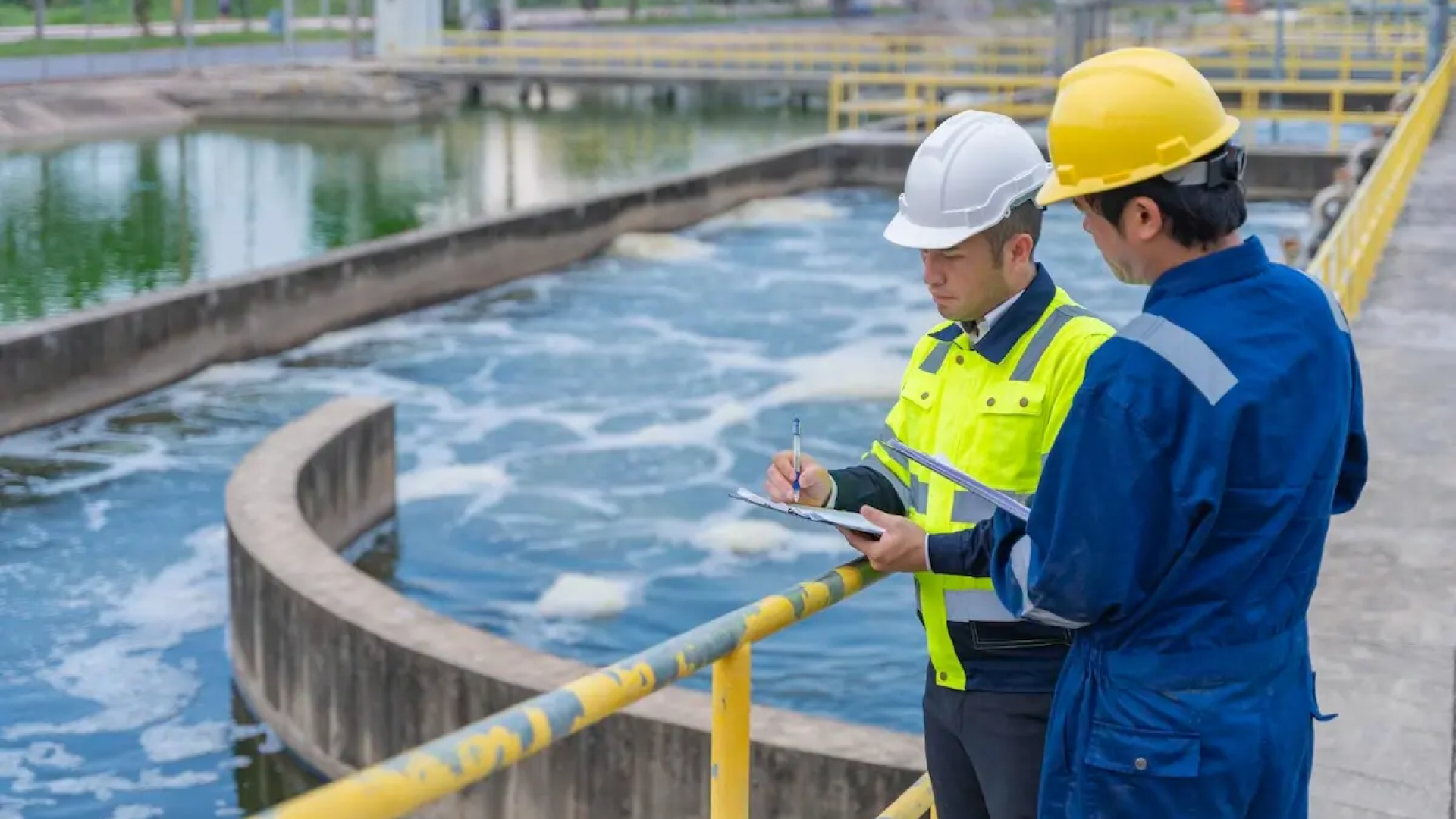
Water is a fundamental resource for nearly every industrial sector. Manufacturing plants, food processing facilities, pharmaceutical companies, power stations, mining operations, and commercial infrastructure projects all depend on reliable water supplies to maintain production and operational efficiency. However, using water responsibly goes beyond simply ensuring availability. Businesses must also meet strict water quality compliance standards that protect public health, preserve natural ecosystems, and support sustainable industrial growth.
Water quality compliance refers to adhering to environmental regulations and operational standards that govern how water is sourced, treated, used, and discharged. Failing to meet these standards can result in regulatory penalties, operational disruptions, environmental damage, and reputational risks.
As global water resources face increasing pressure from industrialization and population growth, organizations are investing in advanced water treatment solutions, wastewater treatment systems, and smart water management technologies to ensure compliance while improving operational performance. At H4 Waterworks, customized industrial water treatment and wastewater management solutions help businesses achieve water quality compliance while supporting long-term sustainability and operational resilience.
What Is Water Quality Compliance?
Water quality compliance is the process of meeting established legal and environmental standards for water treatment, water use, and wastewater discharge. To establish a baseline of why these procedures exist, it helps to understand what is industrial water treatment and why does it matter in safeguarding corporate and public resources.
These regulatory standards are designed to control contaminants and ensure that industrial activities do not negatively impact:
Public health
Groundwater resources
Rivers and lakes
Marine ecosystems
Municipal water infrastructure
Agricultural water supplies
Compliance typically involves monitoring and controlling distinct chemical and biological parameters, such as Total Dissolved Solids (TDS), Biological Oxygen Demand (BOD), Chemical Oxygen Demand (COD), pH levels, heavy metals, suspended solids, and pathogenic microorganisms. Maintaining these parameters within approved limits is essential for responsible industrial wastewater treatment and sustainable water management.
Why Water Quality Compliance Is Critical for Industrial Operations
Protects the Environment
Industrial wastewater may contain chemicals, metals, organic waste, and other pollutants that can damage ecosystems if released without proper treatment. Effective wastewater treatment systems reduce water pollution, soil contamination, and groundwater degradation. Utilizing advanced pollution control systems and wastewater filtration technologies ensures that treated water successfully meets local discharge requirements, highlighting how industrial wastewater treatment supports environmental compliance.
Reduces Regulatory Risk
Governments and environmental agencies enforce strict industrial discharge standards to protect regional water resources. Failure to comply can lead to steep financial penalties, legal action, permit suspension, or total operational shutdowns. By investing in proper water treatment infrastructure, businesses significantly reduce regulatory exposure and maintain uninterrupted operations. Reviewing the top signs your business needs an effluent treatment plant (ETP) upgrade is a practical step to mitigate these structural compliance risks.
Supports Business Continuity
Water quality issues can directly affect production lines. Poor-quality intake or process water causes equipment scaling, corrosion, membrane fouling, and product contamination. Reliable industrial water treatment maintains consistent operations while protecting expensive infrastructure.
Enhances Corporate Sustainability
Environmental responsibility is a major priority for investors, customers, and business partners. Designing actionable sustainable water management strategies for businesses demonstrates a measurable commitment to conservation. Organizations with effective wastewater management solutions are far better equipped to strengthen their long-term ESG (Environmental, Social, and Governance) performance.
Protects Product Quality
Many industries require highly purified water during production—particularly pharmaceutical manufacturing, electronics fabrication, chemical production, and food and beverage processing. Advanced water purification systems eliminate chemical variances, maintaining consistent product batches while lowering contamination liabilities.
The Role of Industrial Water Treatment in Compliance
Modern water treatment solutions remove severe contaminants before water is used or discharged, helping facilities target specific legal thresholds.
[Raw Intake/Wastewater Stream]
              │
              ▼
   ┌────────────────────┐
   │ Ultrafiltration    │ ──► Removes suspended solids, bacteria, & colloids
   └────────────────────┘
              │
              ▼
   ┌────────────────────┐
   │  Reverse Osmosis   │ ──► Rejects dissolved salts, metals, & TDS
   └────────────────────┘
              │
              ▼
[High-Purity Process Water or Compliant Discharge]
Reverse Osmosis Systems
A reverse osmosis system removes dissolved salts, heavy metals, and microscopic contaminants. For detailed operational guidance, companies can look to reverse osmosis systems and how they work for industrial applications to safely handle elevated baseline TDS. Implementing an RO framework supports high-purity process water, desalination systems, and industrial water reuse.
Ultrafiltration Systems
Ultrafiltration systems remove suspended solids, bacteria, viruses, and colloidal particles. Integrating specialized ultrafiltration technologies into the treatment train improves overall water quality and shields downstream treatment equipment from premature fouling.
Membrane Bioreactor Systems
Membrane bioreactor (MBR) systems combine biological treatment with membrane filtration to produce high-quality treated water suitable for direct reuse. They support intensive biological wastewater treatment and steep BOD reduction, making them ideal for municipal and high-load industrial applications.
Dissolved Air Flotation (DAF)
Dissolved air flotation systems remove oils, grease, and fine suspended particles by floating them to the surface via microscopic air bubbles. DAF systems are critical for processing raw industrial effluent before it enters subsequent biological or membrane treatment stages.
Advanced Oxidation Process (AOP)
Advanced oxidation technologies break down difficult, persistent organic contaminants—such as pharmaceutical residues and complex industrial chemicals—that conventional filtration treatment methods cannot easily eliminate.
Wastewater Treatment Systems and Environmental Compliance
Wastewater treatment systems help industries safely process and manage effluent streams before discharge or reuse. Depending on the facility's design parameters, the plant layout may require distinct structural builds. For example, comparing a sewage treatment plant vs. effluent treatment plant key differences explained will dictate how sanitary waste versus industrial chemical waste is treated.
Typical multi-stage wastewater treatment processes include:
Primary Treatment: Removes large physical solids and suspended materials through screening and sedimentation basins.
Secondary Treatment: Uses biological treatment systems to reduce organic contaminants and lower overall BOD levels.
Tertiary Treatment: Applies advanced filtration systems, membrane filtration, or reverse osmosis technologies for final water polishing.
Sludge Treatment Systems: Manages, dewaters, and processes residual solid biomass generated during the treatment cycle.
Water Recycling and Compliance Benefits
Water recycling systems are becoming increasingly important for industrial operations facing tight municipal discharge caps. Reviewing the benefits of water recycling systems for industrial facilities highlights how these systems lower discharge volumes, reduce freshwater costs, and optimize total water utility use. Many advanced facilities combine standard recycling loops with specialized zero liquid discharge systems explained for industrial plants to eliminate discharge pipelines altogether by converting waste into easily disposable solid cakes.
Industries Where Water Quality Compliance Is Essential
Manufacturing Industries
Understanding why industrial water treatment is essential for modern manufacturing plants underscores how modern factories use advanced treatment setups to secure stable production water while keeping wastewater compliant.
Food and Beverage Processing
Strict potable water treatment and wastewater management practices protect consumer safety, preserve ingredient purity, and fulfill rigorous food safety inspections.
Pharmaceutical Facilities
Pharmaceutical manufacturers depend on advanced water purification systems to meet ultra-pure water standards for production while neutralizing toxic organic compounds before environmental release.
Power Generation
Power plants rely heavily on water for high-pressure cooling towers, boiler feed water, and utility operations, demanding highly precise chemistry to protect turbines from mineral scaling.
Oil and Gas Operations
Industrial wastewater treatment and produced water management help oil and gas facilities safely isolate hydrocarbons, salts, and heavy minerals before reusing or injecting water back into the environment.
Municipal Infrastructure
Municipal utilities rely on advanced treatment technologies to deliver clean water to expanding populations, manage urban storm runoffs, and optimize sewage treatment plants. These infrastructure projects often support local agriculture through dedicated irrigation services.
Common Mistakes That Lead to Compliance Issues
Delaying System Maintenance: Neglecting necessary repairs reduces treatment efficiency and directly increases the risk of permit violations.
Inadequate Water Monitoring: Without regular testing, facilities fail to catch sudden biochemical variations before they turn into severe compliance failures.
Using Outdated Treatment Technology: Older infrastructure struggles to meet tightening environmental limits. Recognizing the top signs your facility needs a water treatment upgrade protects plants from sudden regulatory crackdowns.
Poor Pretreatment Protocols: Insufficient pretreatment causes severe membrane fouling. Studying industrial RO plants' common problems and solutions shows how proper pretreatment safeguards primary filtration elements.
Lack of Automation: Manual tracking frequently misses volatile process changes that automated systems can adjust for in real time.
Best Practices for Maintaining Water Quality Compliance
To keep a facility fully insulated from compliance issues, industrial operators should follow this operational checklist:
Conduct Routine Water Testing: Regular laboratory testing ensures critical water quality parameters remain well within acceptable statutory limits.
Invest in Smart Water Monitoring: Deploying smart water management solutions for modern industries provides real-time operational data for faster decision-making and predictive maintenance.
Upgrade Treatment Infrastructure: Integrating modern filtration systems, ultrafiltration systems, and reverse osmosis units directly improves treatment capacity and compliance tracking.
Implement Preventive Maintenance Programs: Standardizing professional maintenance solutions for pumps, valves, and electrical control panels avoids expensive unplanned downtime.
Develop an Integrated Water Strategy: Linking source selection, well configuration—including expert well pump installation—and recycling loops maximizes asset return.
Future Trends in Water Quality Compliance
The future of industrial water management is increasingly driven by AI-powered smart monitoring systems, advanced membrane filtration, treatment plant automation, water utility optimization, zero liquid discharge frameworks, and digital environmental reporting.
To stay informed on these shifts, organizations can explore our industry blog. Navigating the top wastewater treatment challenges in manufacturing industries requires keeping pace with these technological advances as regulatory oversight tightens.
Frequently Asked Questions
What is water quality compliance?
Water quality compliance is the process of meeting environmental and regulatory standards for water treatment, usage, and wastewater discharge.
Why is water quality compliance important?
It helps protect the environment, ensures operational reliability, reduces legal risks, and supports sustainable business practices.
How do wastewater treatment systems support compliance?
Wastewater treatment systems remove dangerous chemical and biological contaminants before discharge, helping facilities meet industrial discharge standards.
What technologies help improve water quality compliance?
Reverse osmosis systems, ultrafiltration systems, membrane bioreactor systems, dissolved air flotation, advanced oxidation processes, and smart monitoring systems all support compliance.
Which industries require strict water quality compliance?
Manufacturing, pharmaceuticals, food processing, power generation, oil and gas, mining, and municipal utilities all rely on effective water quality management.
How can businesses improve water quality compliance?
Businesses can improve compliance by upgrading treatment systems, implementing smart monitoring, conducting regular testing, and adopting wastewater recycling practices.
Conclusion
Water quality compliance is far more than a regulatory obligation. It is a critical component of efficient, sustainable, and resilient industrial operations. Organizations that invest in advanced industrial water treatment, wastewater treatment systems, water recycling technologies, and smart monitoring solutions not only reduce environmental risks but also improve operational performance and long-term profitability.
As global industries continue facing increasing environmental expectations and water resource challenges, proactive water management strategies will become even more important for maintaining compliance and supporting sustainable growth.
The H4 Waterworks About Page highlights our history as a trusted provider of customized industrial water treatment, wastewater management solutions, reverse osmosis systems, industrial filtration technologies, and sustainable water infrastructure for businesses around the world.
If your organization is looking to strengthen water quality compliance, improve wastewater management, or modernize its treatment infrastructure, connect with the technical experts at the H4 Waterworks Contact Page to request a consultation and explore tailored water treatment solutions for your facility.