
Membrane Bioreactor Systems: Benefits and Applications
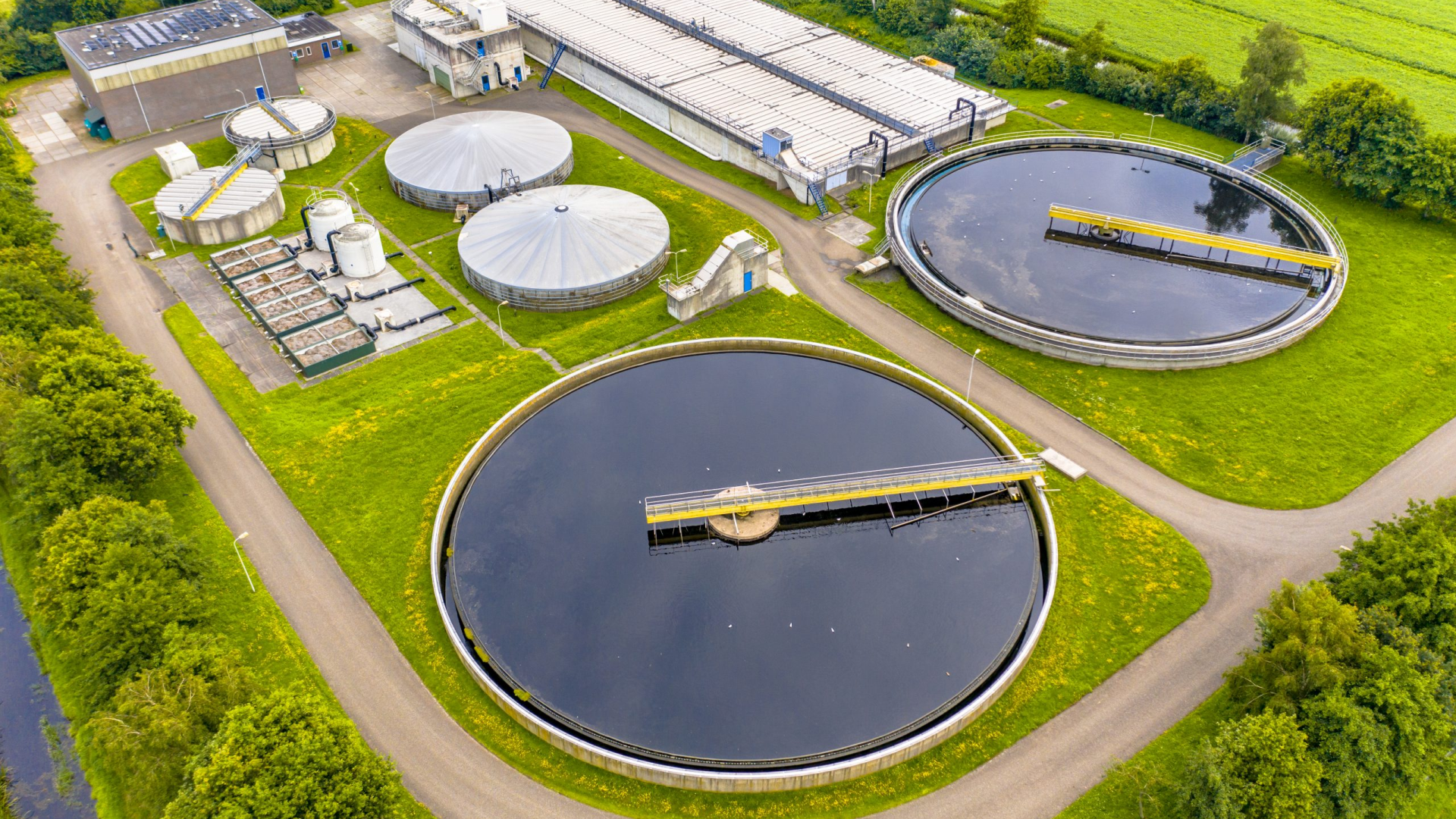
As industries and municipalities face increasing pressure to conserve water, meet stricter environmental regulations, and reduce wastewater discharge, advanced treatment technologies are becoming essential. Among the most effective innovations in modern wastewater treatment systems is the Membrane Bioreactor (MBR) system.
A membrane bioreactor system combines biological wastewater treatment with advanced membrane filtration to produce exceptionally high-quality treated water. Compared to conventional treatment methods, MBR technology offers better contaminant removal, a smaller operational footprint, and greater opportunities for wastewater recycling and industrial water reuse.
From manufacturing plants and commercial developments to resorts, municipalities, and industrial facilities, MBR systems are helping organizations build sustainable water infrastructure while improving operational efficiency and environmental compliance. At H4 Waterworks, customized industrial water treatment and wastewater management solutions integrate advanced technologies like membrane bioreactor systems to help clients achieve long-term sustainability and reliable water performance.
What Is a Membrane Bioreactor System?
A membrane bioreactor system is an advanced wastewater treatment process that combines two key technologies:
Biological treatment systems
Membrane filtration
The biological process uses microorganisms to break down organic pollutants, while the membrane acts as a physical barrier that removes suspended solids, bacteria, and fine particles from the treated water. To better appreciate why these secondary systems are vital, it helps to understand what is industrial water treatment and why does it matter in safeguarding downstream ecosystems.
Unlike traditional wastewater treatment systems that rely on large settling tanks, MBR systems use ultrafiltration membranes to achieve superior water quality in a more compact design. The result is highly purified water that can often be reused for various industrial and commercial applications.
How Does a Membrane Bioreactor System Work?
An MBR system typically operates through several well-defined stages:
Preliminary Treatment: Incoming wastewater passes through screens and grit removal systems to eliminate large debris and protect downstream equipment.
Biological Wastewater Treatment: Beneficial microorganisms consume and break down organic contaminants, dramatically lowering Biological Oxygen Demand (BOD), Chemical Oxygen Demand (COD), and basic suspended solids. This biological stage forms the core of the biological wastewater treatment purification process.
Membrane Filtration: The mixed liquor passes directly through ultrafiltration membranes that separate treated water from residual solids and microorganisms. This step actively filters out fine suspended particles, bacteria, viruses, and colloidal materials.
Water Reuse or Discharge: The treated water can either be safely discharged according to wastewater compliance standards or directed into water recycling systems for reuse.
Many facilities use MBR-treated water for industrial process water, irrigation, cooling towers, and utility water management.
Why Membrane Bioreactor Systems Are Gaining Popularity
Water scarcity, increasing environmental regulations, and growing sustainability initiatives are encouraging businesses to adopt advanced wastewater treatment technologies. Navigating the top wastewater treatment challenges in manufacturing industries requires robust infrastructure capable of delivering continuous performance under variable pollutant loads.
MBR systems help organizations improve water quality compliance, reduce freshwater consumption, support wastewater recycling, minimize environmental impact, and increase operational efficiency. As industries pursue comprehensive sustainable water management strategies for businesses, membrane bioreactor systems have become a preferred solution for modern wastewater infrastructure.
Key Benefits of Membrane Bioreactor Systems
Superior Water Quality
One of the biggest advantages of MBR technology is the exceptional quality of treated water. Compared to conventional treatment systems, MBR systems produce water with incredibly low turbidity, excellent BOD reduction, high suspended solids removal, and significant pathogen reduction. This makes the treated water ideal for extensive industrial water reuse applications.
Compact System Design
Traditional wastewater treatment plants require massive settling basins and secondary clarifiers. Because membrane filtration replaces many of these components, membrane bioreactor systems require significantly less installation space. This compact footprint makes them ideal for urban developments, commercial buildings, cramped industrial facilities, resorts, and infrastructure projects with limited square footage.
Enhanced Wastewater Recycling
High-quality treated water allows facilities to implement internal water recycling loops that significantly reduce freshwater demand. Reviewing the benefits of water recycling systems for industrial facilities reveals how this recovered water can be routed into cooling tower operations, equipment washing, and landscape irrigation to lower utility bills.
Improved Environmental Compliance
Meeting industrial discharge standards is becoming increasingly challenging as regulatory agencies tighten environmental limits. MBR systems help organizations achieve total compliance by isolating dangerous compounds before they leave the facility. Understanding how industrial wastewater treatment supports environmental compliance is essential for avoiding penalties and protecting surface water networks.
Reduced Sludge Production
Compared to conventional activated sludge systems, membrane bioreactor systems operate at higher biomass concentrations, which often leads to lower volumes of excess sludge. Reduced sludge production translates directly to lower disposal costs, fewer transportation expenses, and reduced operational complexity.
Greater Operational Flexibility
MBR configurations can adapt smoothly to changing wastewater volumes and contaminant concentrations. This inherent flex supports long-term facility scalability and structural infrastructure growth.
Applications of Membrane Bioreactor Systems
Industrial Water Treatment
Manufacturing plants use membrane bioreactor systems to improve industrial wastewater treatment and support water reuse technologies across sectors such as chemical manufacturing, automotive production, textile processing, and electronics fabrication.
Municipal Wastewater Treatment
Municipal sewage treatment plants use MBR technology to produce higher-quality treated effluent while minimizing the physical plant footprint required near growing urban boundaries.
Food and Beverage Processing
Food production facilities generate wastewater with exceptionally high organic loads. MBR systems provide effective biological wastewater treatment while supporting water conservation initiatives.
Pharmaceutical Industry
Pharmaceutical facilities require advanced water purification systems capable of handling complex, variable chemical streams. MBR technology offers reliable contaminant removal and high operational consistency.
Hospitality and Resort Developments
Hotels, resorts, and remote camps use compact membrane bioreactor systems to recycle greywater and blackwater for on-site irrigation and utility water management.
Oil and Gas Operations
Industrial wastewater treatment systems using MBR technology help oil and gas facilities manage heavy produced water streams and improve environmental performance.
Technologies That Complement Membrane Bioreactor Systems
[Raw Influent] ──► [MBR Biological + Membrane Loop] ──► [Reverse Osmosis Polish] ──► [Ultra-Pure Process Water]
Reverse Osmosis Systems
A reverse osmosis system is often installed directly downstream of an MBR system to provide final polishing. For detailed mechanics on this configuration, read about reverse osmosis systems and how they work for industrial applications. RO water treatment removes dissolved salts, heavy metals, and microscopic contaminants, allowing facilities to match the strict requirements of industrial RO plants' common problems and solutions.
Ultrafiltration Systems
While MBR systems already utilize membrane barriers, independent ultrafiltration technologies are frequently integrated into larger facilities as essential upstream pretreatment steps to reduce the organic loading on the bioreactor itself.
Advanced Oxidation Process (AOP)
Advanced oxidation process technologies use highly reactive compounds to break down persistent organic contaminants and micro-pollutants that biological treatment steps alone cannot fully eliminate.
Smart Water Monitoring Systems
Implementing smart water management solutions for modern industries provides real-time visibility into flow rates, membrane trans-membrane pressure (TMP), and chemical consumption. Treatment plant automation allows operators to dynamically adjust running parameters, saving energy and extending membrane lifespans.
Common Challenges of Membrane Bioreactor Systems
Membrane Fouling: Over time, biological matter and colloidal particles accumulate on membrane surfaces, reducing permeate flow. Regular backwashing, chemical cleaning, and optimized pretreatment minimize this issue.
Higher Initial Investment: MBR systems can require greater upfront capital than traditional clarifier setups. However, long-term savings through wastewater reuse, reduced sludge handling, and minimized discharge fees quickly offset the initial investment.
Maintenance Requirements: Routine technical inspection, chemical clean-in-place (CIP) cycles, and sensor monitoring are vital for keeping the system at peak performance. Partnering with professionals ensures long-term operational consistency.
Best Practices for Successful MBR Operation
To keep an MBR plant running at peak efficiency, operators should establish a strict operational protocol:
Conduct Regular Water Quality Testing: Continuous chemical and biological tracking helps optimize aeration rates and maintain perfect discharge compliance.
Implement Robust Pretreatment: Removing large physical solids and abrasive grit before wastewater enters the biological loop protects expensive membranes from physical tearing. The role of filtration systems in industrial water purification highlights how proper pretreatment safeguards primary filtration elements.
Schedule Preventive Maintenance: Standardizing professional maintenance solutions for blowers, pumps, and membrane cassettes extends asset longevity and prevents unexpected downtime.
Utilize Smart Monitoring Technologies: Real-time data streams provide the baseline info required for predictive maintenance schedules.
Design Around Facility Needs: Because every wastewater stream features distinct chemical signatures, customized industrial solutions deliver significantly better long-term performance than off-the-shelf designs.
Whether your facility manages deep-well source water via well pump installation or requires expansive agricultural irrigation services, tailoring the filtration train to your exact water analysis is non-negotiable.
Future Trends in Membrane Bioreactor Technology
The future of MBR systems is closely connected with advances in AI-powered treatment optimization, smart industrial water management, energy-efficient membrane materials, and the expansion of complex zero liquid discharge systems explained for industrial plants.
To track these industry-wide transformations, follow the case studies on our blog. Recognizing the top signs your facility needs a water treatment upgrade ensures your infrastructure remains resilient as circular water economy models become standard.
Frequently Asked Questions
What is a membrane bioreactor system? A membrane bioreactor system combines biological wastewater treatment with membrane filtration to produce highly purified treated water suitable for discharge or reuse.
What are the advantages of MBR systems? MBR systems offer superior water quality, compact design, improved wastewater recycling, better environmental compliance, and reduced sludge production.
Where are membrane bioreactor systems commonly used? They are widely used in industrial facilities, municipal sewage treatment plants, food processing operations, pharmaceutical manufacturing, resorts, and commercial developments.
Can MBR-treated water be reused? Yes. MBR-treated water is frequently reused for cooling towers, landscape irrigation, industrial process water, and other non-potable applications.
How do MBR systems support sustainable water management? They reduce freshwater consumption, improve wastewater recycling, support industrial water reuse, and minimize environmental impact.
Can membrane bioreactor systems work with reverse osmosis systems? Yes. Many advanced water treatment facilities combine MBR and reverse osmosis systems to achieve ultra-pure water purification levels suitable for high-end industrial processes.
Conclusion
Membrane bioreactor systems represent one of the most advanced and effective solutions available for modern wastewater treatment and water recycling. By combining biological treatment with membrane filtration, these systems produce exceptionally high-quality water while supporting environmental compliance, operational efficiency, and sustainable water management.
As industries and municipalities continue seeking innovative ways to conserve water and reduce environmental impact, MBR technology will remain a cornerstone of future-ready water infrastructure.
The H4 Waterworks About Page showcases our history as a trusted water and wastewater treatment expert delivering customized industrial solutions, advanced membrane bioreactor systems, reverse osmosis technologies, filtration systems, and sustainable water infrastructure for projects around the world.
If your organization is exploring advanced wastewater treatment systems, industrial water reuse, or customized water recycling solutions, connect with the technical experts at the H4 Waterworks Contact Page to request a comprehensive consultation and discover the right system configuration for your facility.