
How Desalination Systems Help Solve Water Scarcity
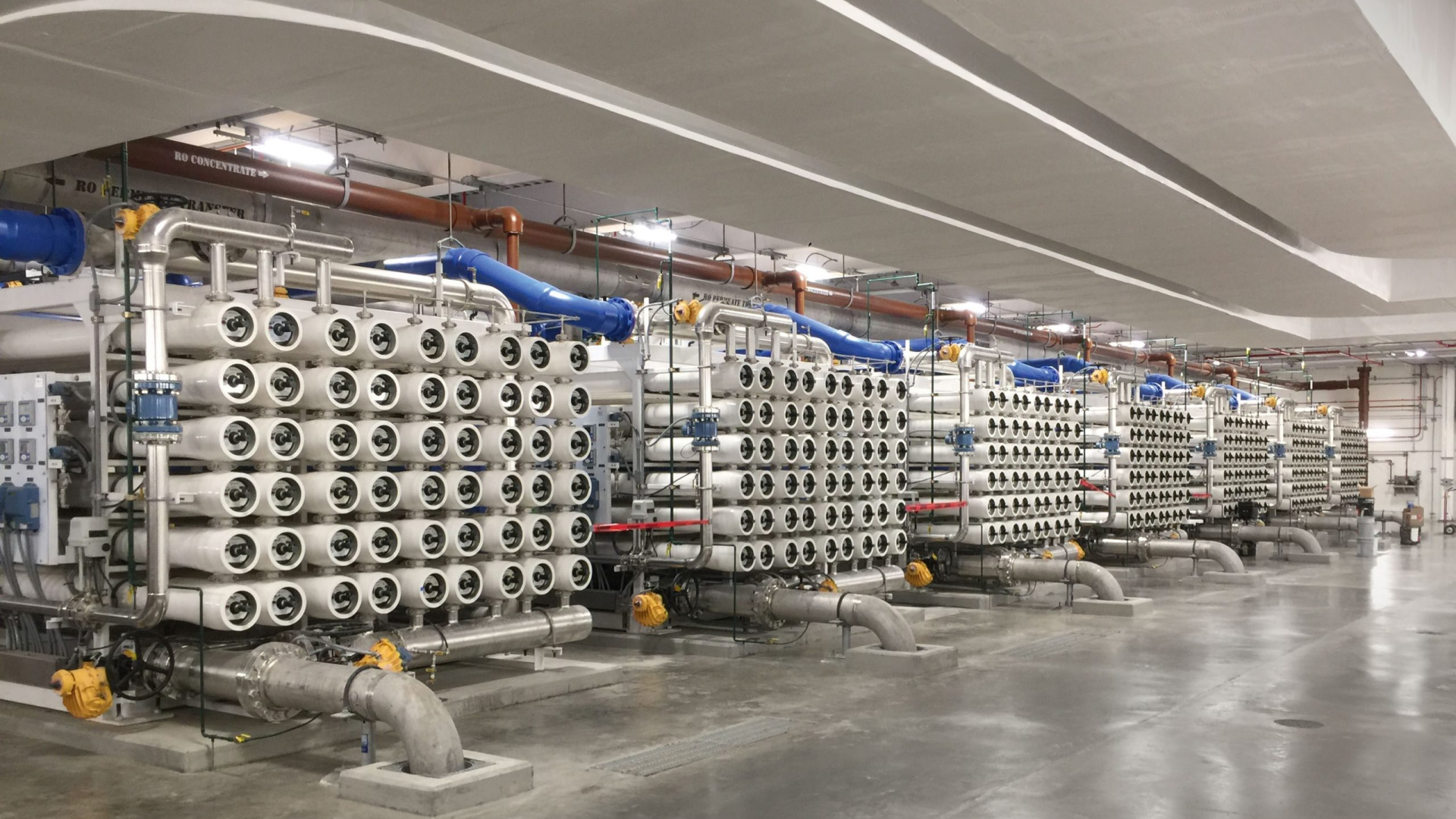
Water scarcity is no longer a challenge limited to arid desert regions. Today, communities, industries, municipalities, and commercial developments across the globe face unprecedented pressure on freshwater resources. Rapid population growth, industrial expansion, shifting climate patterns, and prolonged drought conditions continue to strain traditional water sources like rivers, lakes, and underground aquifers.
As the gap between freshwater supply and demand widens, relying solely on natural replenishment is no longer a viable long-term strategy. To safeguard operations and secure public water supplies, organizations are shifting toward advanced technological solutions that create entirely new, climate-resilient water streams.
Among the most effective innovations available today are industrial desalination systems. By transforming abundant seawater and brackish groundwater into highly purified, usable fresh water, these systems have evolved from a specialized niche into a cornerstone of global water security. With modern advancements in filtration efficiency and energy recovery, desalination offers a reliable path forward for industries and municipalities aiming to achieve true water independence.
What Is Water Scarcity and Why Is It Growing?
Water scarcity occurs when the aggregate demand for clean water within a region exceeds the available, unpolluted freshwater supply. It is a compounding global crisis driven by a mix of environmental, demographic, and industrial pressures.
The primary drivers of modern water stress include:
Exponential Population Growth: Expanding urban centers demand massive volumes of potable water.
Climate Change & Drought: Unpredictable weather patterns dry up surface reservoirs faster than they can recharge.
Industrial & Agricultural Expansion: Heavy manufacturing, power generation, and commercial farming require continuous, high-volume water supplies.
Groundwater Depletion: Over-pumping aquifers causes irreversible drops in water tables and risks salt-water intrusion.
Pollution: Contamination reduces the volume of naturally occurring, safe surface water.
For businesses and municipal utilities alike, severe water scarcity translates directly into operational risks, strict regulatory penalties, escalating utility costs, and potential production shutdowns.
What Is a Desalination System?
A desalination system is an advanced water treatment setup designed to strip dissolved salts, minerals, and micro-contaminants from seawater or highly mineralized brackish water. The objective is to lower the Total Dissolved Solids (TDS) to a level safe for human consumption, municipal distribution, or strict industrial applications.
These systems are widely deployed across various sectors, including:
Municipal drinking water grids
Industrial process water generation
Power plant cooling towers and boiler feed loops
Remote commercial properties, resorts, and island developments
Large-scale agricultural irrigation projects
While early thermal distillation methods were energy-intensive, modern facilities favor membrane-based separation. Today's commercial infrastructure relies heavily on specialized reverse osmosis configurations to deliver exceptional water purity at a fraction of the historical operating cost.
How Modern Desalination Systems Work
Transforming harsh, corrosive saltwater into ultra-pure freshwater requires a precise, multi-stage treatment process. Skipping steps or utilizing substandard equipment can result in immediate system damage and expensive downtime.
1. Intake and Advanced Pretreatment
Raw water is drawn from the ocean or brackish wells and sent through rigorous physical and chemical filtration. This step removes suspended solids, silt, algae, and organic materials that could choke down the primary system. Effective pretreatment relies on robust industrial filtration systems and ultrafiltration technologies to protect downstream equipment.
2. Reverse Osmosis (RO) Membrane Separation
The core of the desalination process occurs within the industrial reverse osmosis plant. High-pressure pumps force the pretreated water through semi-permeable membranes. The microscopic pores of these membranes allow pure water molecules to pass through while blocking:
Dissolved sodium and chloride ions
Heavy metals and mineral complexes
Bacteria, viruses, and organic pathogens
Microplastics and chemical residues
3. Post-Treatment and Stabilization
Freshly desalinated water is often highly pure but can be corrosive to standard piping. Post-treatment involves carefully reintroducing essential minerals (like calcium and magnesium) and adjusting pH levels to meet strict local water quality standards or specific manufacturing specifications.
4. Distribution or Targeted Reuse
Once stabilized, the water is routed directly into municipal drinking lines, commercial storage tanks, or complex industrial processing lines.
Why Desalination Is Key to Solving Global Water Stress
+-------------------------------------------------------------------------+
|                  HOW DESALINATION DRIVES WATER SECURITY                 |
+-----------------------------------+-------------------------------------+
| Unlocks Unlimited Source Supplies | Taps into oceans and brackish wells,|
|                                   | independent of local rainfall.      |
+-----------------------------------+-------------------------------------+
| Protects Natural Ecosystems       | Minimizes aggressive withdrawals    |
|                                   | from strained lakes and aquifers.   |
+-----------------------------------+-------------------------------------+
| Guarantees Drought Resilience      | Ensures consistent water availability|
|                                   | even during severe dry spells.      |
+-----------------------------------+-------------------------------------+
| Facilitates Scalable Growth       | Provides modular infrastructure to  |
|                                   | support expanding urban/ind. zones. |
+-----------------------------------+-------------------------------------+
Unlocking an Unlimited Source
Traditional water management relies heavily on weather patterns, snowpack melt, and seasonal rainfall. Desalination completely decouples a community's or facility's water security from local weather by tapping into oceans and vast brackish aquifers, which account for over 97% of the earth's water assets.
Preserving Vulnerable Freshwater Aquifers
By utilizing ocean or brackish water, municipalities and manufacturers decrease their reliance on dwindling groundwater resources. This gives over-drafted aquifers a chance to naturally recharge, stabilizing local ecosystems and preventing land subsidence.
Delivering Absolute Drought Immunity
When severe droughts strike, mandatory water restrictions can paralyze local industries and disrupt residential life. Desalination plants function continuously regardless of meteorological conditions, acting as an unshakeable baseline supply that keeps economies moving forward.
The Intersection of Desalination and Industrial Water Treatment
Heavy industries require vast quantities of high-purity water to maintain asset integrity and process efficiency. For coastal facilities or operations sitting above brackish water tables, integrating desalination into the broader industrial water treatment framework is a strategic move.
Without reliable, low-TDS water, critical infrastructure faces catastrophic scaling, corrosion, and fouling. Desalination hardware helps facilities reliably generate:
High-pressure boiler feedwater
Low-salinity cooling tower make-up water
Ultra-pure process water for electronics, pharmaceuticals, and manufacturing
High-quality utility water for general plant maintenance
By installing specialized desalination setups, heavy industrial facilities achieve self-sufficiency, insulating themselves from fluctuating municipal water rates and strict consumption quotas.
Core Technologies Enhancing Modern Desalination
Historically criticized for its high power consumption, the desalination sector has undergone a massive technological renaissance. Modern plants utilize heavily optimized configurations to slash operating costs and increase lifecycle durability.
High-Efficiency Reverse Osmosis Systems
The engineering behind industrial applications of reverse osmosis has advanced substantially. Today’s low-energy membranes deliver exceptional salt rejection rates at far lower operational pressures, drastically reducing the net electrical overhead required to run high-pressure pumps.
Energy Recovery Devices (ERDs)
Energy Recovery Devices represent one of the biggest leaps forward in modern water engineering. These systems capture the high-pressure hydraulic energy from the concentrated brine waste stream and transfer it directly back to the incoming raw feedwater feed. This simple loop recycled energy back into the system, cutting net power consumption by up to 60% compared to legacy setups.
Smart Water Management and Analytics
Integrating cloud-based smart water management tools allows plant operators to view live telemetry regarding membrane performance, differential pressure, flux rates, and chemical consumption. Automated alerts flag early-stage mineral scaling or organic fouling, preventing unexpected downtime and extending membrane lifespans.
Desalination and Water Recycling: A Circular Approach
To maximize resource efficiency and meet strict environmental mandates, forward-thinking organizations do not view desalination as an isolated strategy. Instead, they pair it with internal recycling programs to build a comprehensive, closed-loop loop.
       [ Raw Seawater / Brackish Source ]
                      │
                      ▼
         [ Advanced Desalination ]
                      │
                      ▼
         [ Industrial Plant / Process ]
                      │
                      ▼
        [ Wastewater / Effluent Stream ]
                      │
                      ▼
         [ Advanced Water Recycling ] ──► [ Facility Reuse Loop ]
When an industrial facility couples desalination with efficient water recycling systems, it creates a highly sustainable ecosystem. Freshly desalinated water enters the plant, handles its designated operational task, and is then processed through specialized wastewater systems for immediate reuse within cooling or utility loops.
This smart combination drastically limits the amount of raw seawater that needs to be treated, drops net energy costs, and can put facilities on a clear path toward zero liquid discharge.
Overcoming Common Desalination Challenges
While the benefits are undeniable, installing and running a desalination plant involves navigating a unique set of technical and environmental challenges.
Managing Membrane Fouling
The accumulation of organic matter, biological growth, and mineral scales on membrane surfaces can restrict flow and spike operating pressures. Facilities combat this by deploying rigorous chemical dosing, automated clean-in-place (CIP) regimens, and advanced pretreatment safeguards, such as ultrafiltration or high-rate clarification.
Environmental Brine Management
The desalination process splits source water into two streams: purified fresh water and concentrated, high-salinity brine. Safely managing this brine is essential for maintaining coastal ecosystems. Modern facilities use diffusers to safely disperse brine into deep ocean currents or integrate it with zero liquid discharge systems to crystallize waste salts into sellable industrial byproducts.
Mitigating High Initial Capital Investment
Building an advanced desalination plant requires a real upfront financial commitment. However, when weighed against the risk of costly production halts due to local water cuts, escalating utility expenses, and regulatory non-compliance, the long-term ROI of guaranteed water security heavily outweighs the initial infrastructure cost.
Best Practices for Deploying a Desalination Project
To ensure a desalination facility runs smoothly, stays energy-efficient, and achieves a long operating life, project managers should look to several industry best practices:
Conduct Comprehensive Raw Water Testing: Mineral profiles, seasonal turbidity shifts, and biological loads fluctuate heavily. Designing a system around complete, year-round water data prevents premature membrane failure.
Invest Heavily in Pretreatment: Skimping on pretreatment is the leading cause of premature reverse osmosis membrane failure. A robust filtration frontline saves significant money on long-term maintenance.
Prioritize Proactive Maintenance: Waiting for membranes to foul or high-pressure pumps to fail ruins operating budgets. Implementing routine plant maintenance solutions ensures peak energy efficiency and continuous water output.
Design for Modular Scalability: Build infrastructure with future expansion in mind. Utilizing modular skids allows facilities to seamlessly execute system upgrades as production capacities grow.
Frequently Asked Questions
What is the difference between seawater and brackish water desalination?
Seawater desalination processes high-salinity water directly from oceans, typically featuring a TDS of 35,000 mg/L or higher. Brackish water desalination treats lower-salinity source water from inland wells, estuaries, or rivers (usually between 1,000 to 10,000 mg/L TDS). Brackish systems require significantly less pressure and energy to operate than seawater systems.
How does reverse osmosis remove salt from water?
Reverse osmosis works by using heavy-duty, high-pressure pumps to overcome natural osmotic pressure. It forces mineral-dense saltwater against an ultra-fine, semi-permeable membrane. The membrane acts as a microscopic molecular sieve, letting water molecules pass right through while trapping dissolved salt ions, heavy metals, and bacteria.
Is desalinated water safe to use as drinking water?
Yes. Once desalinated water undergoes post-treatment—which includes proper mineralization, pH balancing, and disinfection—it is completely safe, tastes great, and meets or exceeds all international potable water safety regulations.
How can industrial facilities reduce the carbon footprint of desalination?
Facilities can lower their environmental impact by using high-efficiency Energy Recovery Devices (ERDs), upgrading to the latest low-energy membranes, integrating smart automation to optimize pump runtimes, or powering their high-pressure pumps with localized renewable energy installations like solar arrays or wind turbines.
Why is pretreatment so critical in reverse osmosis desalination?
Without a strong pretreatment stage, raw water contaminants like sand, algae, silt, and scaling minerals will quickly build up on the delicate surfaces of the reverse osmosis membranes. This fouling restricts flow, spikes energy consumption, and can cause permanent mechanical damage to expensive membrane elements.
Securing Your Water Future
As global water scarcity challenges continue to intensify, having an unshakeable, independent source of clean water is no longer a luxury—it is an operational necessity. Desalination systems represent a reliable, proven technology that empowers communities and major industrial operations to build long-term drought resilience.
Every site features a unique mix of water chemistry, spatial footprints, and volume requirements. For over a decade, the specialized engineering team at H4 Waterworks has built, deployed, and optimized custom water treatment systems worldwide. Whether you need a containerized seawater reverse osmosis plant, a complex brackish water setup, or a completely integrated industrial water recycling loop, we can help.
Ready to insulate your operations from water stress? Visit our services page to check out our complete engineering capabilities, browse our educational blog for more technical guides, or connect directly with our application engineers via the H4 Waterworks contact page to request an expert project consultation.