
Industrial Water Reuse: The Future of Sustainable Operations
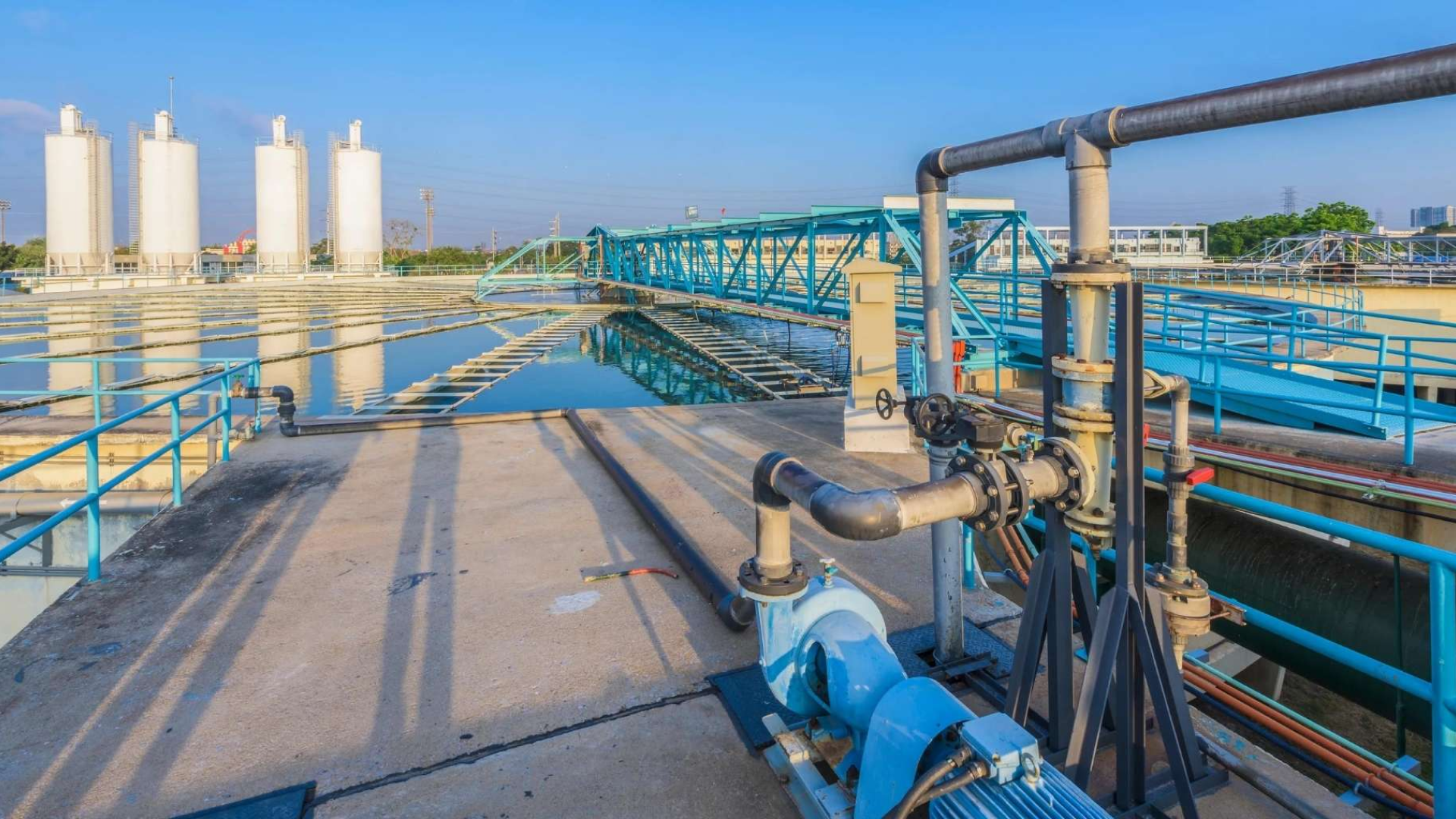
Water is one of the most essential resources driving global industrial productivity, yet it is becoming increasingly scarce and expensive. As manufacturing hubs, energy plants, and commercial developments face rising municipal water tariffs, stricter environmental enforcement, and growing corporate Environmental, Social, and Governance (ESG) expectations, legacy linear water practices are no longer viable. The traditional approach of pumping fresh water, using it a single time, and discharging it directly into local sewer lines is a costly financial and environmental burden.
Today, forward-thinking organizations are embracing industrial water reuse as a core strategic solution. By treating and circulating process water within their own facilities, businesses can significantly reduce freshwater consumption, minimize regulatory liabilities, lower utility fees, and insulate their production lines from external water shortages.
Transitioning to a circular water model is rapidly becoming a cornerstone of modern industrial management, helping companies transform what was once considered a waste liability into a valuable operational asset.
What Is Industrial Water Reuse?
Industrial water reuse is the process of capturing, treating, and repurposing wastewater or process effluent so it can be safely redirected back into facility operations rather than being discarded into municipal sewers or local water bodies.
Depending on the advanced treatment technologies deployed, this recycled stream can be custom-tailored to meet the exact purity requirements of several distinct facility applications, including:
Cooling Tower Make-Up: Supplying high-volume cooling loops with low-salinity water to replace evaporation losses.
Boiler Feed Systems: Generating ultra-pure water to protect high-pressure steam turbines from scaling.
Manufacturing Processes: Providing consistent, reliable process chemistry water for production lines.
Equipment Washing & Sanitation: Handling industrial washdowns, crate rinsing, and general facility cleaning.
Utility Water Management: Supplying basic facility upkeep, fire suppression systems, and site landscaping.
By recovering water that would otherwise be lost down the drain, industries can achieve dramatic reductions in raw water procurement.
Why Closed-Loop Water Reuse Is Becoming Essential
The accelerating shift toward advanced water recycling is driven by a combination of macroeconomic, environmental, and regulatory pressures.
1. Growing Regional Water Stress
With natural aquifers dropping at alarming rates worldwide, municipal authorities are tightening allocations for heavy commercial users. Water reuse shields an enterprise from municipal water cuts, keeping operations running smoothly even during strict seasonal droughts.
2. Rising Supply and Disposal Costs
Facilities pay for water twice: first when they buy fresh water from a utility, and second when they pay surcharge fees to discharge industrial effluent. Recycled water cuts both sides of this equation simultaneously, maximizing internal resource efficiency.
3. Tighter Regulatory Enforcement
Environmental agencies are steadily dropping permissible limits for discharge parameters like Biochemical Oxygen Demand (BOD), Chemical Oxygen Demand (COD), and Total Dissolved Solids (TDS). Implementing internal recycling helps plants easily comply with evolving water quality standards and regulatory compliance frameworks.
4. Ambitious Corporate ESG Targets
Global brands are setting aggressive net-zero water goals, requiring facilities to minimize their localized environmental footprints. Shifting toward a circular water strategy offers measurable data that directly supports corporate sustainability disclosures.
How Industrial Water Reuse Works
Successfully preparing industrial wastewater for reuse requires a targeted, multi-stage treatment approach to handle specific physical, biological, and chemical contaminants.
[ Raw Effluent Stream ] ──► Primary Treatment (Solids & Oils Removal)
                                     │
                                     ▼
                           Secondary Treatment (Biological BOD Reduction)
                                     │
                                     ▼
                           Tertiary Treatment (Advanced RO & Membrane Filtration)
                                     │
                                     ▼
[ Purified Reuse Loop ] ◄── Pre-Use Stabilization & Disinfection
Primary Treatment
The initial stage focuses on removing large bulk contaminants. Screenings, grit chambers, and oil-water separators pull out heavy suspended solids, free-floating oils, and greases that could damage downstream machinery.
Secondary Treatment
This stage addresses dissolved organic materials. Using advanced biological processes, specialized microorganisms break down organic compounds, resulting in substantial Biochemical Oxygen Demand (BOD) reduction in wastewater.
Tertiary and Advanced Treatment
To achieve the high-purity standards required for industrial processes, the water undergoes an advanced polishing stage. Depending on the reuse application, this phase leverages sophisticated membrane separation technologies to strip out fine colloidal particles, dissolved salts, pathogens, and trace chemical compounds.
Key Business Benefits of Reusing Industrial Process Water
+-------------------------------------------------------------------------+
|                  THE STRATEGIC ADVANTAGES OF WATER REUSE                |
+-----------------------------------+-------------------------------------+
| Slashes Total Operational Costs   | Minimizes both fresh water purchase |
|                                   | costs and effluent discharge fees.  |
+-----------------------------------+-------------------------------------+
| Insulates Against Water Scarcity  | Establishes a reliable, self-owned  |
|                                   | source independent of dry spells.   |
+-----------------------------------+-------------------------------------+
| Simplifies Regulatory Compliance  | Lowers discharge volumes, mitigating|
|                                   | the risk of strict environmental fines|
+-----------------------------------+-------------------------------------+
| Boosts Brand Equity and ESG Value | Directly contributes to verifiable  |
|                                   | water conservation initiatives.     |
+-----------------------------------+-------------------------------------+
Substantial Operational Cost Savings
While deploying advanced recycling infrastructure requires an initial investment, the long-term operational savings are substantial. Plants see immediate reductions in raw water procurement costs, sewage surcharge penalties, and effluent compliance costs, creating a reliable, long-term return on investment (ROI).
Enhanced Production Security
A facility that relies completely on external water is vulnerable to local infrastructure failures or drought restrictions. An on-site reuse setup provides an unshakeable, self-owned baseline supply, protecting production timelines from unexpected municipal supply interruptions.
Streamlined Environmental Compliance
By dropping the total volume of wastewater leaving the property, facilities drastically reduce their exposure to strict environmental penalties. This makes it much easier to align with regional industrial wastewater discharge compliance rules, smoothing out the path for future plant expansions.
Technologies Driving Modern Industrial Water Reuse
The rapid growth of the circular water economy is made possible by highly reliable, advanced filtration and automated monitoring systems.
Industrial Reverse Osmosis (RO) Systems
For high-demand processes requiring low-salinity water, integrating a high-performance reverse osmosis plant for industrial applications is the definitive industry standard. RO systems force water through semi-permeable membranes to filter out dissolved salts, heavy metals, micro-contaminants, and Total Dissolved Solids (TDS).
Ultrafiltration (UF) Systems
Ultrafiltration systems use hollow-fiber membranes to clear out suspended solids, emulsified oils, and larger pathogens. UF serves as an excellent standalone treatment for utility water or as an essential pretreatment step to protect sensitive downstream RO membranes from fouling.
Membrane Bioreactor (MBR) Systems
By combining biological digestion with micro- or ultrafiltration membranes, membrane bioreactor systems for wastewater replace traditional, bulky secondary clarifiers. MBR systems deliver an exceptionally high-quality effluent with low footprint requirements, making them perfect for facilities with limited space.
Advanced Oxidation Processes (AOP)
AOP configurations combine strong oxidizing agents (like ozone or hydrogen peroxide) with ultraviolet (UV) light to break down stubborn, complex organic chemicals that resist standard biological treatment. This tech is critical for managing challenging streams found in chemical or pharmaceutical manufacturing.
Smart Water Management and Automation
Modern treatment systems utilize cloud-connected smart water monitoring solutions to track flow rates, membrane differential pressure, chemical dosing, and water quality parameters in real time. This automated oversight allows for predictive maintenance, ensuring consistent water quality with minimal manual labor.
Core Industry Applications
Modern Manufacturing Plants: Reusing process water for cooling loops, component washing, and utility applications across complex production floors. Discover more about why this infrastructure is vital in our guide on industrial water treatment for modern manufacturing plants.
Power Generation Facilities: Directing recycled effluent to handle massive cooling tower demands, keeping baseline operations efficient and sustainable.
Food & Beverage Processing: Reusing thoroughly purified water for initial crate washdowns, raw ingredient cleaning, and utility steam generation.
Chemical & Petrochemical Operations: Processing highly complex process water to recover valuable byproducts while recycling pure water back into production cycles.
Traditional Water Management vs. Circular Water Reuse
MetricTraditional ManagementCircular Water ReuseFreshwater RelianceHigh; completely vulnerable to utility price spikes and supply cuts.Low; minimal reliance on local water grids.Effluent VolumeHigh; incurs ongoing discharge fees and strict regulatory review.Drastically reduced; can be optimized for zero liquid discharge.Long-Term Utility OverheadEscalating; directly tied to rising regional municipal water rates.Controlled; predictable on-site operating costs.Drought ResilienceVulnerable; subject to immediate municipal production caps.Insulated; operations continue smoothly via internal supply loops.
Overcoming Common Implementation Challenges
Navigating System Complexity
Many plant managers worry that running an advanced on-site treatment facility will add too much operational complexity. Modern water reuse systems resolve this by incorporating high levels of automation and smart diagnostic sensors, allowing existing facility staff to easily monitor operations through a centralized control screen.
Mitigating Membrane Fouling
Industrial wastewater can contain complex oils, minerals, and organic compounds that risk fouling filtration membranes. This is managed by implementing tailored pretreatment strategies, choosing specialized fouling-resistant membranes, and scheduling automated Clean-In-Place (CIP) cycles.
Justifying Initial Capital Expenditures
While the upfront cost of an advanced recycling system is real, the ongoing savings from lower water bills and reduced discharge fees offer a rapid path to payback. Many companies realize a full return on investment within a few years, after which the system provides ongoing utility savings. Discover the clear indicators that your plant is ready for this shift by reading our overview of the top signs your facility needs a water treatment upgrade.
Actionable Best Practices for Building a Water Reuse Program
To ensure a smooth transition to an on-site recycling model, project teams should follow a structured deployment strategy:
Perform a Comprehensive Site Water Audit: Map out every water entry and exit point across the facility to find your best, highest-volume reuse opportunities.
Characterize Wastewater Chemistry: Analyze seasonal variation in effluent contaminants to make sure your treatment system is engineered for worst-case scenarios.
Target High-Volume, Lower-Purity Needs First: Rerouting treated wastewater into cooling towers or washdown loops often delivers the fastest financial payback with the simplest treatment setups.
Partner with Experienced System Engineers: Avoid generic, cookie-cutter equipment layouts. Working alongside seasoned specialists ensures your system is custom-designed for your plant's specific goals.
Frequently Asked Questions
What is the difference between an STP and an ETP in water recycling?
A Sewage Treatment Plant (STP) is engineered to process domestic wastewater (like restrooms and cafeterias), dealing mainly with human waste and biodegradable organics. An Effluent Treatment Plant (ETP) handles complex industrial process wastewater, which contains chemical residues, heavy oils, and toxic compounds. For a deep dive into these differences, see our comparison on sewage treatment plants vs. effluent treatment plants.
Can recycled industrial water be purified enough to use in high-pressure boilers?
Yes. By pairing secondary biological systems with multi-stage reverse osmosis and continuous electrodeionization (CEDI), facilities can generate water with near-zero TDS, making it completely safe for demanding high-pressure boiler operations.
What is a Zero Liquid Discharge (ZLD) system?
A Zero Liquid Discharge system represents the ultimate level of water recycling. It combines advanced membrane systems, evaporators, and crystallizers to treat wastewater so thoroughly that absolutely no liquid effluent leaves the facility. All wastewater is converted back into pure process water, leaving behind only solid, dry mineral crystals. Learn how this works in our comprehensive guide to zero liquid discharge systems explained for industrial plants.
How do I know if my facility's existing effluent plant needs an upgrade?
Key warning signs include struggling to meet local environmental discharge limits, experiencing frequent membrane fouling, seeing unexpected jumps in chemical costs, or needing to scale up factory production capacity. Review our breakdown of the top signs your business needs an effluent treatment plant upgrade for more details.
How does industrial water reuse help lower localized carbon footprints?
On-site water recycling eliminates the massive electrical energy required to pump raw surface water over long distances to a factory, and reduces the energy used by municipal plants to treat heavy effluent. By conserving this energy locally, a facility drops its scope 2 and scope 3 carbon footprints.
Securing Your Operational Independence
Industrial water reuse is no longer just an optional environmental initiative—it is a vital business strategy for long-term profitability and operational resilience. As global freshwater supplies tighten and utility rates rise, businesses that invest in circular water technologies position themselves to thrive in a water-stressed future.
Every manufacturing facility and commercial development operates with a unique combination of wastewater chemistry, space constraints, and volume requirements. For over a decade, the technical experts at H4 Waterworks have designed, built, and maintained custom water treatment systems for complex applications around the world.
Ready to protect your facility from escalating water costs? Explore our tailored engineering capabilities on our services page, find more industrial insights on our resource blog, or learn about our engineering philosophy on the H4 Waterworks about page. When you are ready for a custom compliance and water recovery assessment, connect with our team directly through the H4 Waterworks contact page to request a specialized engineering consultation.