
Common Mistakes Industries Make in Wastewater Management
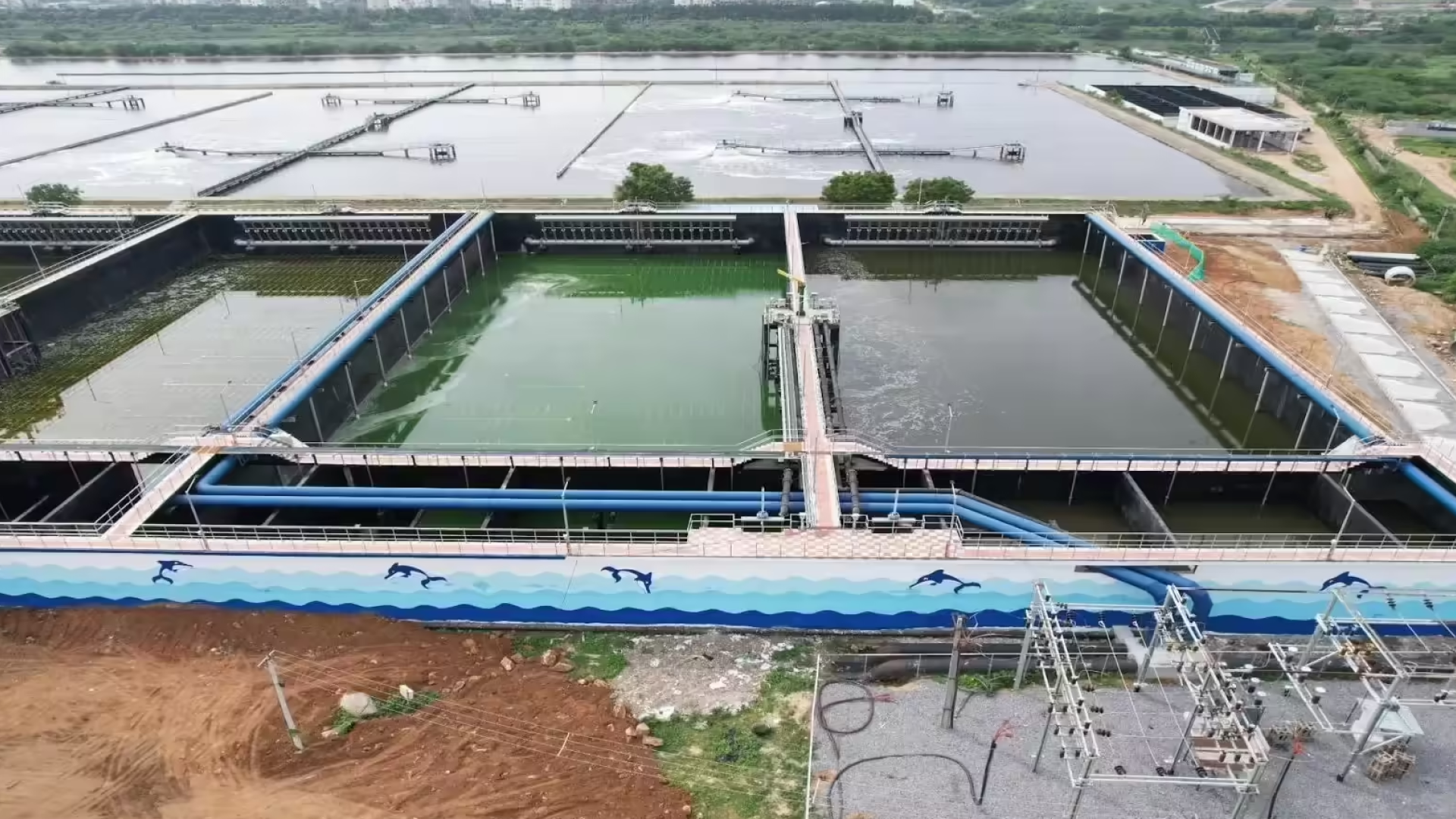
Effective wastewater management is no longer just a background regulatory requirement. Today, it stands as a critical component of operational efficiency, corporate environmental sustainability, proactive risk management, and long-term financial success. As industries face increasing pressure from shifting environmental regulations, worsening water scarcity, and rising municipal water rates, the importance of maintaining an optimized treatment system has never been greater.
Yet, many organizations continue to make avoidable mistakes. These missteps lead to costly compliance violations, unexpected equipment failures, ballooning operating expenses, localized environmental damage, and missed opportunities for valuable water reuse.
Whether you operate a heavy manufacturing plant, a food processing facility, a power station, or a large-scale commercial infrastructure project, identifying and correcting these common pitfalls can radically improve your facility's baseline performance, maximize equipment lifespan, and lower overhead costs.
The Strategic Importance of Advanced Wastewater Systems
Wastewater management involves the systematic collection, treatment, real-time monitoring, and safe discharge or recycling of process effluent generated by industrial and commercial activities.
When engineered and maintained correctly, a professional wastewater strategy helps organizations:
Consistently meet or exceed complex discharge permits
Guard local ecosystems against accidental contamination
Substantially lower freshwater procurement costs
Maximize internal water recovery and reuse initiatives
Shield the company from severe regulatory fines and legal liabilities
Conversely, when wastewater systems are treated as an afterthought, the financial and operational consequences can be immediate and severe.
12 Avoidable Wastewater Management Pitfalls
1. Treating Wastewater Management as a Compliance Requirement Only
One of the most widespread errors is viewing an effluent plant solely as an expensive regulatory obligation. Organizations trapped in this mindset only invest enough to hit minimum discharge baselines. In doing so, they completely miss out on the massive financial advantages of internal water recycling systems that drive down utility costs and recover valuable process materials. Modern water systems should be treated as strategic, cost-saving business assets.
2. Delaying Necessary Infrastructure Upgrades
Many facilities continue to run outdated legacy systems long after they have outlived their efficiency. These aging setups struggle with evolving contaminant profiles, require excessive chemical dosing, and break down frequently. Executing timely system upgrades with modern, compact separation technologies dramatically improves filtration reliability while cutting daily power demands.
3. Failing to Monitor Water Quality Consistently
Without continuous, accurate water quality tracking, plant operators are essentially flying blind. They often fail to notice process upsets until a major compliance violation or machine failure has already occurred. Implementing automated smart water monitoring solutions provides real-time tracking of pH, Total Dissolved Solids (TDS), flow rates, and biological loads, allowing operators to make proactive adjustments.
4. Ignoring Industrial Water Reuse Opportunities
Billions of gallons of perfectly treatable process water are discharged into municipal sewers every single day. Discharging this effluent rather than routing it through an internal loop forces a facility to buy expensive new freshwater to supply cooling towers, boiler loops, and washdown lines. Shifting to an industrial water reuse strategy drastically reduces both purchasing costs and sewage discharge fees.
+----------------------------------------------------------------------------+
|                  TRADITIONAL VS. VALUE-DRIVEN MANAGEMENT                   |
+------------------------------------+---------------------------------------+
| Legacy Compliance-Only Focus       | Value-Driven Circular Strategy        |
|────────────────────────────────────|───────────────────────────────────────|
| • Treats water once, then discards  | • Recycles water through internal loops|
| • High vulnerability to rate hikes | • Insulated from municipal water cuts |
| • High risk of regulatory fines    | • Automated compliance tracking       |
| • High chemical and power overhead | • Optimized energy and waste loops    |
+------------------------------------+---------------------------------------+
5. Deploying Inadequate Pretreatment Processes
The advanced membranes used in modern filtration are highly effective but delicate. Skipping or under-engineering the primary treatment phase allows heavy grit, floating oils, and coarse solids to pass down the line. This leads to severe membrane fouling, rapid equipment wear, and frequent system shutdowns. Investing in a robust frontline of industrial filtration systems is essential for safeguarding expensive downstream equipment.
6. Choosing Rigid "One-Size-Fits-All" Layouts
Every industrial sector generates an entirely unique wastewater blueprint. The oily, high-BOD effluent from a food processing plant requires a fundamentally different treatment approach than the heavy metal and chemical streams produced by an electronics manufacturer. Buying standard, cookie-cutter equipment without analyzing your specific chemistry leads to poor contaminant removal and wasted capital.
7. Neglecting Preventive Maintenance
Waiting for a high-pressure pump to seize or a membrane stack to choke before calling a technician is an incredibly expensive way to manage a facility. Reactive maintenance practices cause unexpected production stoppages and escalate repair bills. Adopting structural, proactive plant maintenance solutions ensures your equipment operates at peak energy efficiency while avoiding emergency downtime.
8. Underestimating Sludge Management Requirements
Removing contaminants from water inevitably creates a concentrated sludge byproduct. Failing to account for sludge thickening, dewatering, and disposal costs can quickly derail an operational budget. Modern systems utilize advanced presses and dryers to shrink net waste volumes, dramatically lowering hazardous disposal expenses.
9. Overlooking Energy Consumption Inefficiencies
Wastewater treatment can be highly energy-intensive if the system layout is unoptimized. Outdated pumps running at fixed speeds, oversized motors, and manual, unautomated chemical dosing loops waste an enormous amount of electricity. Integrating automated controls and energy recovery hardware is a fast way to trim a plant's monthly utility bill.
10. Failing to Plan for Future Production Growth
Industrial systems are frequently engineered to handle only the immediate, current volume requirements of a facility. When the plant eventually adds a new production line or scales up manufacturing capacity, the wastewater plant is quickly overwhelmed by the increased hydraulic load, leading to immediate compliance risks. Building with a modular layout makes future capacity expansions simple and cost-effective.
11. Ignoring Emerging Environmental Standards
Discharge regulations are consistently tightening across the globe. Heavy industries that fail to track upcoming regulatory shifts often find themselves scrambing to deploy expensive retrofits when local authorities suddenly lower acceptable discharge limits. Proactive planning allows a business to smoothly adapt to changing rules without interrupting production.
12. Not Integrating Proven, Advanced Treatment Technologies
Relying solely on decades-old settling ponds or standard clarifiers is often insufficient for meeting modern purity standards or facilitating water reuse. Integrating advanced, high-performance separation technologies allows facilities to achieve pristine water quality profiles that traditional methods simply cannot match.
Advanced Technologies Transforming Wastewater Outcomes
       [ Raw Effluent Entry ]
                 │
                 ▼
     [ Ultrafiltration Loops ]  ──► Strips out suspended solids & bacteria
                 │
                 ▼
     [ Reverse Osmosis Skids ]  ──► Removes dissolved salts & heavy metals
                 │
                 ▼
     [ Clean Reuse Distribution ] ◄── Polished via Advanced Oxidation (AOP)
To eliminate treatment inefficiencies and maximize resource recovery, modern industrial facilities leverage several core advanced technologies:
Industrial Reverse Osmosis (RO) Systems: Highly optimized reverse osmosis plants for industrial facilities strip out dissolved salts, heavy metals, and trace chemicals, yielding an ultra-pure stream that can be routed directly back into demanding process lines.
Ultrafiltration (UF) Infrastructure: Utilizing advanced, durable hollow-fiber configurations, ultrafiltration units effectively clear out fine suspended matter, macromolecular contaminants, and pathogens, serving as an elite pre-filter for RO membranes.
Membrane Bioreactor (MBR) Systems: By combining intensive biological digestion with high-tech membrane separation, compact membrane bioreactor systems completely eliminate the need for traditional secondary clarifiers, providing exceptional BOD reduction in a fraction of the physical footprint.
Advanced Oxidation Processes (AOP): AOP systems combine powerful ultraviolet (UV) arrays with targeted oxidants to tear apart complex, persistent organic chemical chains that standard biological systems cannot degrade.
Zero Liquid Discharge (ZLD) Systems: For areas with extreme water restrictions or strict environmental rules, a zero liquid discharge setup cleans wastewater so thoroughly that all liquid is reclaimed, leaving behind only solid, dry mineral crystals.
Actionable Best Practices for Facility Managers
If you want to optimize your site's water management and eliminate hidden operational wastes, follow this strategic roadmap:
Commit to a Thorough Plant Water Audit: Detail every water input, usage loop, and waste discharge point across your facility to identify hidden leaks and prime recycling opportunities.
Prioritize Your Pretreatment Frontline: Ensure your filtration, screening, and equalization systems are scaled correctly to protect expensive downstream membranes from premature wear.
Transition to Smart Monitoring: Deploy real-time telemetry sensors to catch chemical imbalances, pressure changes, or water quality drops before they result in official permit violations.
Partner with Experienced Water Engineers: Avoid standard, pre-packaged equipment catalogs. Working alongside dedicated water specialists ensures your treatment system is engineered to handle your exact wastewater chemistry.
Frequently Asked Questions
What are the main signs that an industrial effluent treatment plant needs an upgrade?
The most clear indicators include recurring struggles to stay within your local environmental discharge limits, frequent unpredicted membrane fouling, an unexplained jump in required treatment chemicals, or a lack of capacity to support an expansion of your factory's production lines. For a detailed breakdown, see our guide on the top signs your enterprise requires an ETP upgrade.
How does proper wastewater management support a company's environmental compliance?
An engineered treatment setup ensures that all heavy metals, organic pollutants, and corrosive chemicals are completely stripped from your effluent stream before it ever crosses your property line. This keeps your facility fully aligned with local environmental laws, preventing costly fines, legal liabilities, and reputational damage. For more insight, read about how advanced wastewater treatment drives environmental compliance.
Why is relying on reactive maintenance for a water system so costly?
When a critical pump or membrane stack fails unexpectedly, it can force an immediate shutdown of your entire manufacturing line, causing expensive production losses. Furthermore, emergency repairs, rush shipping for replacement parts, and emergency engineering fees are far more expensive than a structured, scheduled maintenance plan.
What is the advantage of using an MBR system over a standard clarifier?
Traditional clarifiers rely on gravity settling, which requires a large physical footprint and can be easily disrupted by changes in wastewater chemistry. An MBR system uses physical membrane barriers to filter out biological solids, delivering a much cleaner effluent in a highly compact footprint that easily fits into tight facility spaces.
Can recycled industrial wastewater be safely reused in cooling towers?
Absolutely. By routing your process wastewater through an ultrafiltration and reverse osmosis loop, you can lower the mineral content and TDS to a level that minimizes scaling and corrosion risks, making it an excellent, low-cost water source for cooling towers.
Turn Your Wastewater Into an Asset
Optimizing your wastewater management is about much more than just avoiding regulatory penalties—it is a direct way to improve your facility's baseline profitability, operational resilience, and environmental footprint. By avoiding common engineering and maintenance mistakes, you can transform what was once an expensive waste liability into a reliable, self-owned water resource.
Because every industrial facility features a distinct layout, production schedule, and wastewater profile, you need a system designed for your specific goals. For over a decade, the specialized engineering team at H4 Waterworks has built, deployed, and optimized custom water treatment systems for complex applications around the world.
Ready to eliminate wastewater inefficiencies and lower your utility expenses? Explore our complete engineering capabilities on our services page, find more technical guides on our industrial blog, or learn about our design philosophy on the H4 Waterworks about page. When you are ready for a comprehensive system assessment, connect with our engineering team directly via the H4 Waterworks contact page to request an expert consultation.