
How Smart Monitoring Improves Wastewater Operations
Introduction
Wastewater treatment facilities are under increasing pressure to operate more efficiently, maintain regulatory compliance, reduce operating costs, and meet growing sustainability goals. Whether serving municipalities, industrial facilities, manufacturing plants, resorts, or commercial developments, wastewater systems must consistently deliver reliable performance while handling changing wastewater loads and environmental requirements.
Traditional wastewater management often relies on manual inspections, routine testing, and reactive maintenance practices. While these methods can be effective, they may not provide the real time insights needed to identify problems before they escalate into costly disruptions.
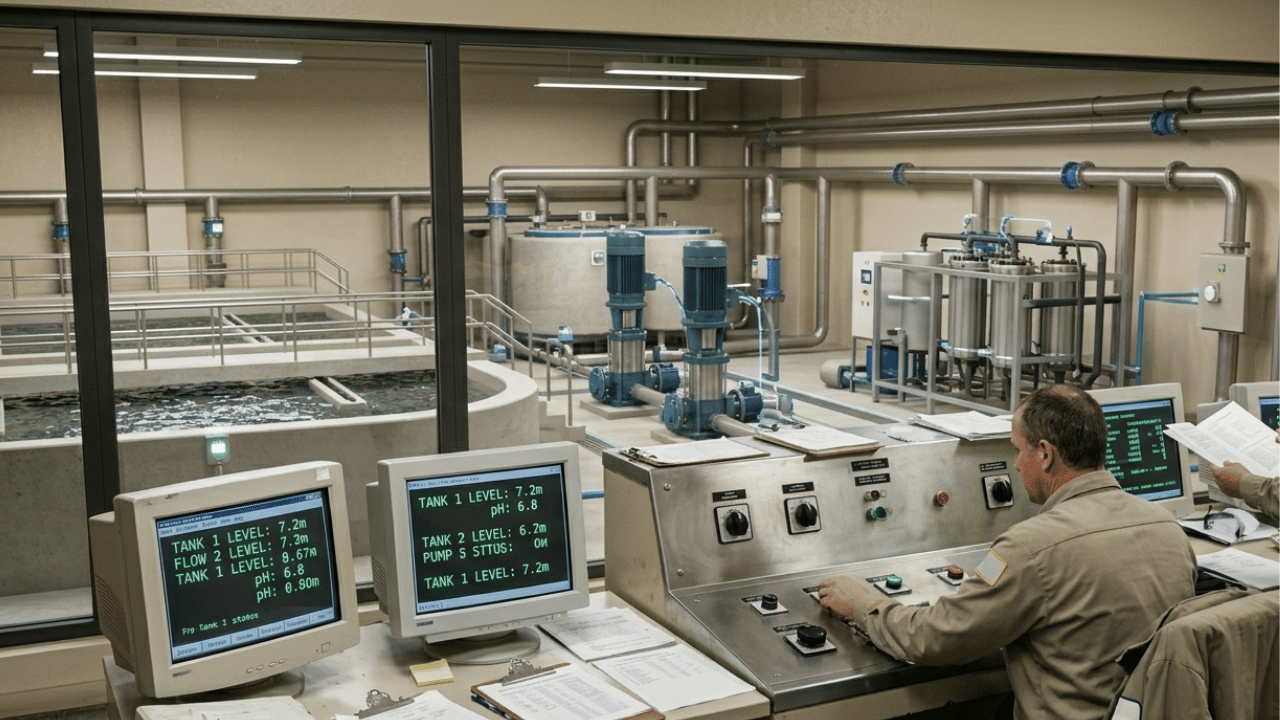
This is where smart monitoring is transforming the industry. By combining sensors, automation, data analytics, and remote monitoring technologies, wastewater operators can gain greater visibility into system performance, improve decision making, and optimize treatment processes. As a result, smart water management has become an essential component of modern wastewater treatment systems and sustainable water infrastructure.
What Is Smart Monitoring in Wastewater Operations?
Smart monitoring refers to the use of digital technologies that continuously collect, analyze, and report data from wastewater treatment facilities and wastewater infrastructure.
These systems typically monitor critical operational parameters such as:
Flow rates
Water levels
pH levels
Dissolved oxygen
Turbidity
Chemical dosing
Biological treatment performance
Energy consumption
Equipment status
Effluent quality
Instead of relying solely on manual testing and inspections, operators receive real time information that helps them identify trends, detect abnormalities, and make informed operational decisions.
Smart monitoring systems can be integrated into wastewater treatment systems, sewage treatment plants, effluent treatment plants, industrial wastewater treatment facilities, and water recycling systems to improve overall efficiency and reliability.
Why Smart Monitoring Matters for Modern Wastewater Management
Wastewater treatment is becoming increasingly complex due to stricter regulations, rising operational costs, and growing demands for water reuse and environmental sustainability.
Without continuous monitoring, facilities may struggle to detect:
Equipment failures
Process inefficiencies
Compliance risks
Unexpected flow variations
Chemical imbalances
Treatment performance issues
Smart monitoring helps operators address these challenges before they become major problems, allowing facilities to maintain stable and efficient operations.
Real Time Data Improves Operational Visibility
One of the greatest advantages of smart water management systems is access to real time operational data.
Instead of waiting for scheduled inspections or laboratory results, facility managers can instantly monitor treatment performance and system conditions.
For example, if a wastewater treatment system experiences a sudden increase in flow or organic loading, operators can respond immediately by adjusting treatment processes.
This improved visibility helps facilities:
Prevent process disruptions
Improve treatment efficiency
Reduce downtime
Enhance wastewater compliance
Optimize resource allocation
Real time monitoring creates a more proactive approach to wastewater operations management.
Early Problem Detection Reduces Downtime
Unexpected equipment failures can lead to costly repairs, environmental risks, and treatment interruptions.
Smart monitoring systems continuously track the health and performance of critical assets such as:
Pumps
Blowers
Motors
Chemical dosing equipment
Sludge treatment systems
Biological treatment systems
By identifying unusual operating conditions early, maintenance teams can address issues before equipment failure occurs.
This predictive maintenance approach helps reduce emergency repairs, improve asset reliability, and extend equipment lifespan.
Improved Regulatory Compliance
Regulatory agencies continue to tighten wastewater discharge standards to protect water resources and the environment.
Facilities must monitor parameters such as:
Biological Oxygen Demand (BOD)
Total Suspended Solids (TSS)
Nutrient concentrations
pH levels
Industrial discharge standards
Water quality compliance requirements
Smart monitoring systems provide continuous tracking and automated reporting of compliance data.
When parameters begin approaching regulatory limits, operators receive alerts that allow them to take corrective action before violations occur.
This reduces compliance risks while supporting more consistent wastewater management solutions.
Enhanced Performance of Industrial Wastewater Treatment Systems
Industrial wastewater treatment facilities often deal with highly variable wastewater streams.
Industries such as food processing, manufacturing, oil and gas, mining, pharmaceuticals, and chemical production may experience fluctuations in:
Flow rates
Contaminant levels
TDS concentrations
Organic loading
Chemical composition
Smart monitoring helps operators adjust treatment processes based on actual conditions rather than assumptions.
This improves the effectiveness of industrial wastewater treatment while reducing unnecessary chemical usage and operational expenses.
For facilities operating an effluent treatment plant, continuous monitoring can significantly improve treatment consistency and environmental performance.
Better Management of Water Recycling Systems
As organizations invest in water reuse technologies and wastewater recycling programs, maintaining water quality becomes increasingly important.
Water recycling systems require precise monitoring to ensure treated water meets reuse standards.
Smart monitoring technologies help track:
Water quality parameters
Membrane performance
Filtration efficiency
Disinfection effectiveness
Reuse water quality
By providing real time feedback, these systems help operators maximize water recovery while maintaining safety and compliance.
This is especially valuable in regions facing water scarcity and increasing demand for sustainable water management.
Optimization of Biological Treatment Processes
Biological wastewater treatment remains one of the most widely used methods for removing organic pollutants from wastewater.
However, biological treatment systems are highly sensitive to changing operating conditions.
Smart monitoring can continuously measure critical factors such as:
Dissolved oxygen
Temperature
pH
Nutrient balance
Biomass activity
Operators can use this information to optimize treatment performance and improve BOD reduction.
As a result, facilities often achieve better treatment efficiency while lowering energy consumption and operational costs.
Supporting Smart Water Management Goals
Modern utilities and industrial facilities are increasingly adopting smart water management strategies to improve efficiency and sustainability.
Smart monitoring plays a central role by providing actionable insights that support:
Water conservation technologies
Utility water management
Environmental sustainability initiatives
Resource optimization
Infrastructure planning
Wastewater reuse programs
With better access to operational data, organizations can make informed decisions that improve both environmental and financial performance.
Reduced Energy Consumption and Operating Costs
Energy is often one of the largest expenses in wastewater treatment operations.
Processes such as aeration, pumping, filtration, and sludge treatment require significant power consumption.
Smart monitoring helps identify opportunities to reduce energy use by:
Optimizing aeration systems
Managing pump schedules
Improving process efficiency
Reducing unnecessary equipment operation
Detecting energy waste
Facilities that implement smart monitoring often achieve measurable reductions in operating costs while maintaining treatment performance.
Improved Decision Making Through Data Analytics
The value of smart monitoring extends beyond data collection.
Advanced systems use analytics tools to identify patterns, forecast operational needs, and support strategic planning.
Operators can analyze historical and real time data to:
Predict maintenance requirements
Forecast flow variations
Improve process control
Evaluate system performance
Support capital planning decisions
Data driven decision making helps wastewater facilities operate more efficiently while preparing for future growth and regulatory changes.
Remote Monitoring Enhances Operational Flexibility
Many wastewater facilities operate across multiple sites or in remote locations.
Smart monitoring systems allow operators to access critical information from virtually anywhere.
Remote access capabilities provide:
Real time alerts
Mobile monitoring
Faster response times
Centralized system oversight
Improved operational coordination
For industrial wastewater treatment facilities and municipal utilities, remote monitoring improves efficiency while reducing the need for constant on site supervision.
Common Mistakes to Avoid When Implementing Smart Monitoring
Focusing Only on Equipment Monitoring
Successful systems monitor both equipment performance and treatment process conditions.
Ignoring Data Integration
Disconnected monitoring systems can limit visibility and reduce operational efficiency.
Overlooking Staff Training
Operators should understand how to interpret data and respond appropriately to system alerts.
Delaying Preventive Maintenance
Even advanced monitoring technologies cannot replace routine inspections and maintenance programs.
Choosing Non Scalable Solutions
Facilities should select monitoring systems capable of supporting future growth and evolving operational requirements.
Best Practices for Successful Smart Monitoring Programs
Define Clear Operational Goals
Identify whether the focus is compliance, efficiency, cost reduction, water reuse, or asset management.
Monitor Critical Performance Indicators
Track parameters that directly impact treatment effectiveness and regulatory compliance.
Integrate Automation Where Appropriate
Combining monitoring with treatment plant automation can further improve performance and responsiveness.
Use Predictive Maintenance Strategies
Leverage monitoring data to address equipment issues before failures occur.
Review Data Regularly
Consistent analysis helps identify opportunities for continuous improvement.
The Future of Smart Monitoring in Wastewater Operations
The future of wastewater management solutions is increasingly digital. Emerging technologies are expected to further enhance operational performance through:
Artificial Intelligence
AI driven systems can predict equipment failures, optimize treatment processes, and improve resource utilization.
Digital Twin Technology
Virtual models of wastewater facilities allow operators to simulate changes and improve planning decisions.
Advanced Sensor Networks
Next generation sensors will provide more accurate and comprehensive monitoring capabilities.
Cloud Based Data Management
Cloud platforms improve accessibility, scalability, and collaboration across facilities.
Integrated Sustainable Water Infrastructure
Future wastewater systems will combine smart monitoring, automation, water reuse technologies, and advanced treatment solutions into fully connected operational ecosystems.
Frequently Asked Questions
What is smart monitoring in wastewater treatment?
Smart monitoring uses sensors, automation, and data analytics to continuously track wastewater treatment performance, equipment health, and compliance parameters in real time.
How does smart monitoring improve wastewater operations?
It improves operational visibility, reduces downtime, enhances compliance, supports predictive maintenance, lowers costs, and helps optimize treatment performance.
Can smart monitoring reduce operating costs?
Yes. Smart monitoring helps reduce energy consumption, prevent costly equipment failures, optimize chemical use, and improve overall operational efficiency.
Why is real time monitoring important in wastewater treatment?
Real time monitoring allows operators to identify problems immediately, make faster decisions, and maintain consistent treatment performance.
Does smart monitoring support water recycling systems?
Yes. Smart monitoring helps ensure recycled water meets quality requirements while maximizing water recovery and supporting wastewater reuse initiatives.
What industries benefit from smart wastewater monitoring?
Industries such as manufacturing, food processing, oil and gas, mining, pharmaceuticals, commercial facilities, and municipal utilities can all benefit from smart monitoring technologies.
Conclusion
As wastewater treatment facilities face increasing demands for efficiency, compliance, and sustainability, smart monitoring has become a critical tool for operational success. By providing real time visibility, predictive insights, and improved process control, these technologies help organizations optimize wastewater treatment systems, reduce costs, and enhance environmental performance.
From industrial wastewater treatment facilities and effluent treatment plants to sewage treatment plants and water recycling systems, smart monitoring supports more reliable and sustainable operations. It empowers operators to move from reactive problem solving to proactive management, ultimately improving both performance and long term value.
H4 Waterworks delivers customized water and wastewater treatment solutions designed to help organizations achieve greater efficiency, compliance, and sustainability. Whether you are upgrading an existing facility or developing new wastewater infrastructure, our team of water and wastewater treatment experts can help implement smart monitoring technologies that support long term operational success.
Contact H4 Waterworks today to discuss your project, request a consultation, and discover how advanced wastewater management solutions can transform your operations.