
Key Parameters to Monitor in Industrial Wastewater Treatment
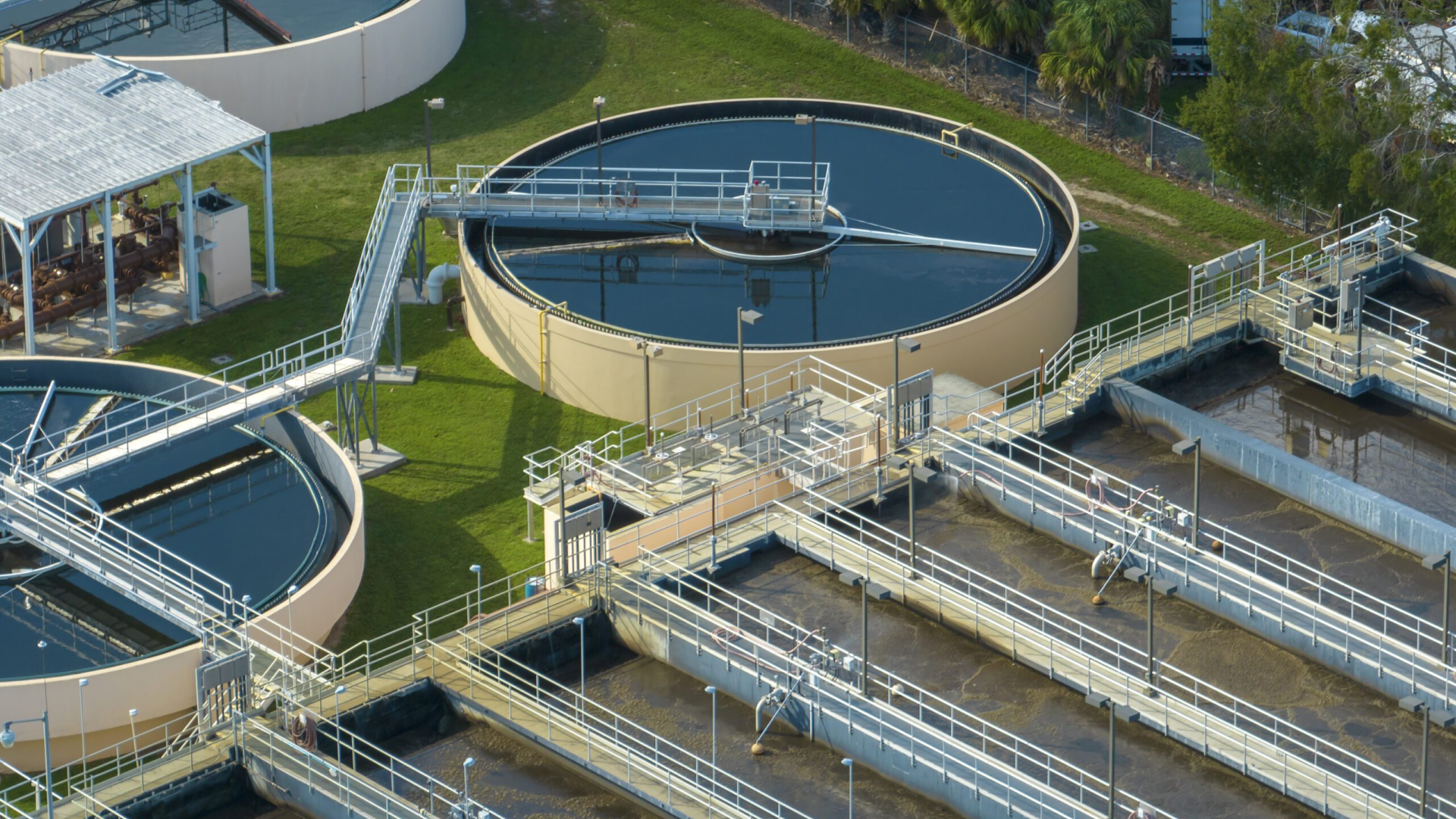
Industrial wastewater is more than just a byproduct of manufacturing and processing operations. It contains a complex mix of physical, chemical, and biological contaminants that must be carefully managed before the water can be discharged, reused, or safely returned to the environment. As environmental regulations become more stringent and industries place greater emphasis on sustainability, monitoring wastewater quality has become an essential part of efficient plant operations.
Tracking the right wastewater parameters helps facilities optimize treatment performance, protect equipment, reduce operating costs, and maintain compliance with discharge standards. More importantly, it provides the data needed to make informed operational decisions and support long term sustainable water management.
Whether your facility operates in manufacturing, food processing, pharmaceuticals, mining, oil and gas, or municipal infrastructure, understanding which parameters matter most is the foundation of an effective industrial wastewater treatment program.
Why Monitoring Industrial Wastewater Is Essential
Wastewater characteristics can change significantly depending on production schedules, raw materials, cleaning procedures, and industrial processes. Without continuous monitoring, treatment systems may struggle to maintain consistent performance.
Effective monitoring helps facilities:
Maintain wastewater compliance
Improve treatment efficiency
Reduce operating costs
Protect downstream equipment
Prevent environmental pollution
Optimize chemical usage
Improve regulatory reporting
A proactive monitoring strategy also helps identify potential issues before they lead to equipment failures or compliance violations.
What Is Industrial Wastewater Monitoring?
Industrial wastewater monitoring is the process of measuring physical, chemical, and biological characteristics of wastewater throughout the treatment process.
The collected data helps operators:
Evaluate treatment performance
Adjust operating conditions
Optimize chemical dosing
Improve biological treatment
Verify discharge quality
Monitoring may occur continuously through smart water management systems or through routine laboratory testing, depending on the parameter being measured.
Physical Parameters to Monitor
Flow Rate
Flow rate measures the volume of wastewater moving through the treatment system. Understanding flow patterns helps operators size treatment equipment correctly, optimize hydraulic loading, balance treatment processes, and detect unusual operating conditions. Sudden changes in flow often indicate leaks, production changes, or equipment issues.
Temperature
Temperature influences nearly every treatment process. High temperatures may reduce dissolved oxygen, affect biological treatment systems, increase corrosion, and alter chemical reaction rates. Consistent temperature monitoring improves process stability and treatment efficiency.
Total Suspended Solids (TSS)
TSS represents the amount of suspended particles present in wastewater. High suspended solids can overload filtration systems, reduce biological treatment efficiency, increase sludge production, and affect discharge quality. Modern industrial filtration systems improve water efficiency and sediment removal processes help control suspended solids.
Turbidity
Turbidity measures water clarity and provides an indication of suspended material. Increasing turbidity often signals poor clarification, equipment problems, process upsets, or inadequate filtration.
Chemical Parameters to Monitor
pH
pH is one of the most critical wastewater quality indicators. Improper pH can damage treatment equipment, reduce biological activity, increase corrosion, affect chemical treatment performance, and cause regulatory compliance issues. Most treatment systems require pH to remain within a controlled operating range.
Biological Oxygen Demand (BOD)
BOD measures the amount of oxygen microorganisms require to break down biodegradable organic matter. High BOD levels indicate elevated organic pollution. Monitoring BOD helps facilities evaluate biological treatment performance, improve wastewater recycling, meet discharge requirements, and optimize biological processes. BOD reduction is often a primary objective of industrial wastewater treatment.
Chemical Oxygen Demand (COD)
COD measures the total amount of oxygen required to chemically oxidize contaminants. Unlike BOD, COD includes both biodegradable and nonbiodegradable organic compounds. Monitoring COD provides faster process evaluation, improved operational control, and a better understanding of wastewater strength. Many facilities monitor both BOD and COD for a complete assessment of treatment performance.
Total Dissolved Solids (TDS)
TDS measures dissolved minerals, salts, and other substances present in wastewater. High TDS may affect reverse osmosis systems, water recycling systems, industrial water reuse, and discharge compliance. Proper TDS control is especially important when treated water will be reused.
Conductivity
Conductivity provides a rapid indication of dissolved ionic content. Changes in conductivity often reflect process changes, chemical spills, salt concentration, or treatment performance. Because conductivity can be measured continuously, it is widely used in smart water monitoring systems.
Nutrients
Industrial wastewater may contain nutrients such as nitrogen and phosphorus. Excessive nutrient discharge can contribute to algal blooms, environmental pollution, and regulatory violations. Treatment processes may include biological nutrient removal to reduce nutrient concentrations.
Oil and Grease
Facilities such as food processors, metal fabricators, and oil and gas operations often generate wastewater containing oil and grease. High concentrations can interfere with biological treatment, damage equipment, reduce filtration efficiency, and cause permit violations. Dissolved air flotation systems are commonly used to remove oil and grease before biological treatment.
Biological Parameters to Monitor
Dissolved Oxygen
Biological treatment systems rely on adequate dissolved oxygen levels. Insufficient oxygen reduces microbial activity and treatment efficiency. Monitoring dissolved oxygen helps maintain healthy biological treatment processes.
Microbial Activity
The health of microorganisms directly affects wastewater treatment performance. Monitoring biological activity allows operators to detect toxic conditions, optimize aeration, improve sludge management, and maintain stable treatment performance.
Sludge Characteristics
Sludge quality influences overall treatment efficiency. Important indicators include sludge volume, settling characteristics, solids concentration, and dewatering performance. Effective sludge treatment systems improve plant reliability and reduce disposal costs.
Advanced Parameters for Industrial Wastewater Treatment
Heavy Metals
Some industrial facilities discharge wastewater containing lead, chromium, nickel, zinc, copper, or mercury. Monitoring heavy metals is essential for industries involved in metal finishing, mining, electronics, and chemical manufacturing.
Ammonia
High ammonia concentrations can harm aquatic ecosystems, reduce biological treatment efficiency, and affect wastewater reuse opportunities. Ammonia removal is an important objective in many treatment plants.
Chlorides and Sulfates
Elevated chloride or sulfate concentrations may increase corrosion, affect industrial water reuse, and limit discharge options. Monitoring these parameters supports long term infrastructure protection.
Technologies That Support Wastewater Monitoring
Smart Water Monitoring Systems
Modern digital platforms provide continuous monitoring of flow, conductivity, pH, temperature, dissolved oxygen, and water quality trends. Real time monitoring improves operational decision making, which highlights how smart monitoring improves wastewater operations.
Treatment Plant Automation
Treatment plant automation enables facilities to adjust chemical dosing, control pumps, optimize aeration, improve energy efficiency, and generate compliance reports. Automated systems help reduce manual intervention while improving treatment consistency.
Reverse Osmosis Systems
Reverse osmosis systems help reduce dissolved contaminants when high quality reclaimed water is required for industrial water reuse, though facilities must track components carefully to prevent industrial RO plants common problems.
Ultrafiltration Systems
Ultrafiltration systems improve industrial water quality by removing suspended solids, bacteria, and organic matter before recycling or discharge.
Common Monitoring Mistakes to Avoid
Infrequent Sampling
Periodic testing alone may fail to detect rapid process changes. Combining routine laboratory testing with continuous monitoring provides better operational control.
Ignoring Data Trends
Monitoring becomes far more valuable when historical trends are analyzed rather than reviewing individual measurements in isolation.
Poor Instrument Calibration
Sensors and analytical equipment require regular calibration and routine maintenance solutions to maintain measurement accuracy.
Monitoring Too Few Parameters
Focusing only on pH or flow may overlook other important indicators affecting treatment performance. You can prevent this by learning how to choose the right industrial water treatment system for your facility.
Delayed Response to Abnormal Results
Early intervention prevents minor issues from becoming major operational problems, preventing the need for emergency system upgrades.
Best Practices for Wastewater Monitoring
Develop a Comprehensive Monitoring Plan
Include physical, chemical, and biological parameters based on facility operations and regulatory requirements.
Use Real Time Monitoring Where Possible
Continuous monitoring improves process control and supports predictive maintenance.
Conduct Routine Laboratory Verification
Laboratory testing confirms field measurements and provides additional analytical detail.
Train Plant Personnel
Operators should understand parameter significance, sampling procedures, equipment operation, and data interpretation. Well trained teams improve treatment reliability.
Partner With Experienced Water Treatment Experts
Customized monitoring programs provide more accurate operational insights than generic testing approaches.
Future Trends in Industrial Wastewater Monitoring
Artificial Intelligence
AI driven analytics help predict treatment performance and identify operational issues before they occur.
Digital Water Management
Integrated smart water management platforms combine monitoring, automation, and reporting into a single operational system.
Advanced Sensors
Modern sensor technologies continue to improve the speed, accuracy, and reliability of wastewater monitoring.
Increased Water Reuse
As industrial water reuse expands, monitoring requirements will become even more comprehensive to ensure reclaimed water meets quality objectives, reinforcing the value of the future of water reuse technologies in industrial sectors.
Sustainable Water Infrastructure
Facilities are investing in eco-friendly wastewater treatment methods and advanced wastewater management solutions that improve environmental performance while supporting long term water security.
Frequently Asked Questions
Why is wastewater monitoring important? Monitoring ensures treatment systems operate efficiently, supports regulatory water quality compliance in industrial operations, improves water quality, and helps facilities reduce operating costs.
Which wastewater parameter is the most important? No single parameter provides a complete picture. Facilities typically monitor pH, BOD, COD, TSS, TDS, flow, dissolved oxygen, and conductivity together to evaluate treatment performance.
How often should industrial wastewater be tested? Testing frequency depends on regulatory requirements, process variability, and treatment complexity. Many facilities combine continuous monitoring with routine laboratory analysis.
What is the difference between BOD and COD? BOD measures the oxygen required for microorganisms to break down biodegradable organic matter, while COD measures the oxygen required to chemically oxidize both biodegradable and nonbiodegradable contaminants.
Can wastewater monitoring improve water reuse? Yes. Accurate monitoring ensures treated wastewater consistently meets quality standards required for industrial water reuse and benefits of water recycling systems applications.
Conclusion
Monitoring the right parameters is essential for achieving efficient, reliable, and compliant industrial wastewater treatment. From pH, BOD, COD, TSS, and TDS to dissolved oxygen, flow, nutrient levels, and heavy metals, each measurement provides valuable insight into treatment performance and water quality.
By combining comprehensive monitoring with advanced treatment technologies such as filtration systems, reverse osmosis systems, ultrafiltration systems, smart water management, and treatment plant automation, manufacturers can optimize operations, reduce costs, improve wastewater recycling, and support long term sustainability.
At H4 Waterworks, we provide customized industrial water treatment services and wastewater management solutions designed to help industries achieve reliable performance, regulatory compliance, and sustainable water use. From advanced monitoring technologies and wastewater treatment systems to water recycling solutions and smart automation, our technical experts develop tailored strategies that meet the unique needs of every facility.
Ready to optimize your wastewater treatment performance? Contact our technical experts today to request a consultation, explore our industrial water and wastewater treatment services, and speak with our experts about building a smarter, more efficient water management strategy.