
How to Choose the Right Industrial Water Treatment System for Your Facility
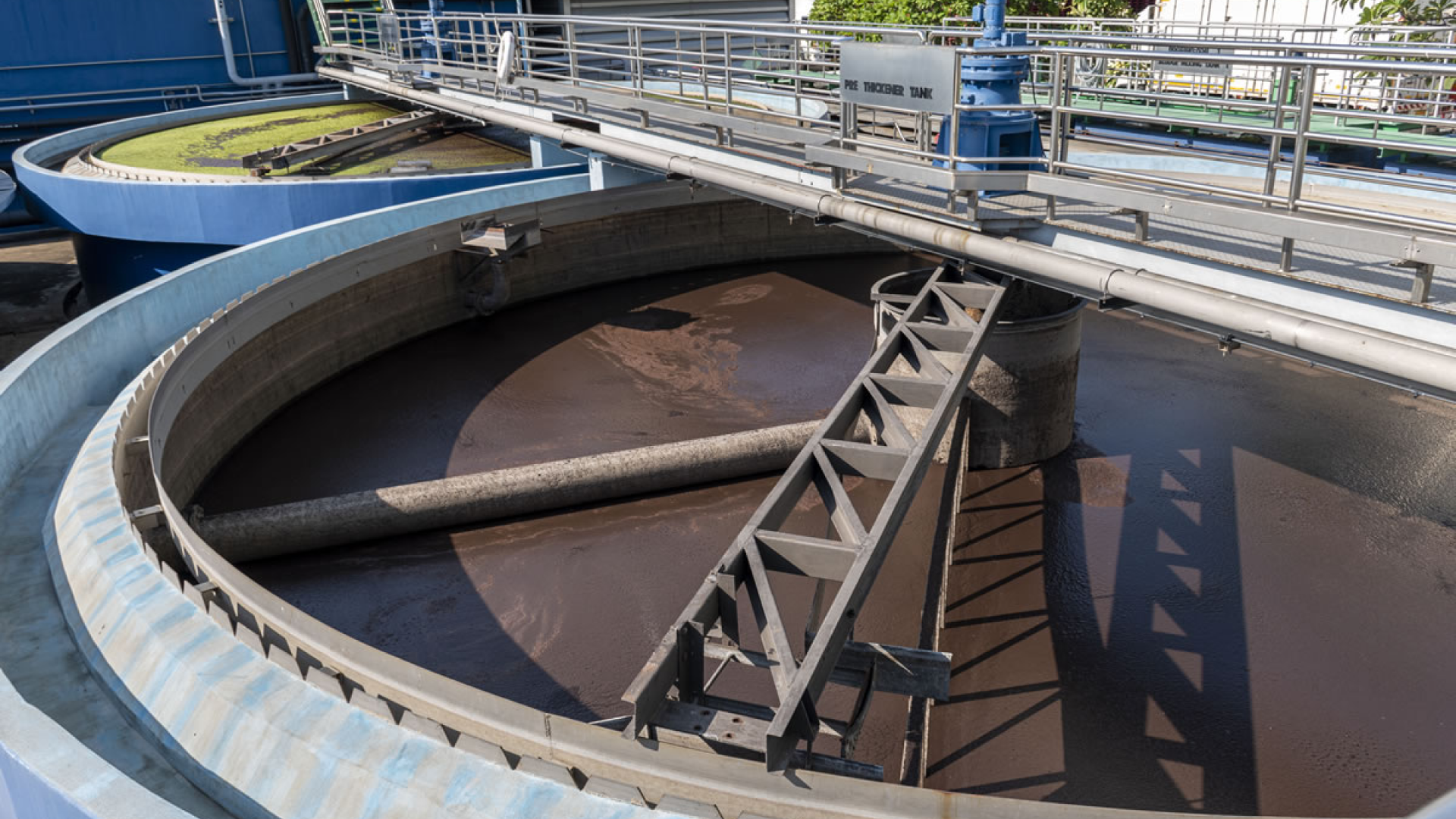
Industrial facilities depend on water for production, cooling, cleaning, power generation, and countless other processes. However, choosing the wrong treatment system can lead to equipment failures, regulatory issues, rising operating costs, and unnecessary water waste.
Selecting the right industrial water treatment system is not simply about installing filters or purchasing a reverse osmosis unit. It requires understanding your water source, operational requirements, compliance obligations, and long term sustainability goals.
For manufacturers, municipalities, commercial facilities, and infrastructure developers, investing in the right water treatment solutions can improve efficiency, reduce environmental impact, and create a more resilient operation.
Why Industrial Water Treatment Matters More Than Ever
Water quality challenges are becoming increasingly complex worldwide. Growing industrial demand, stricter environmental regulations, and increasing water scarcity have made sustainable water management a top priority for organizations.
Industries today face challenges such as:
Poor source water quality
High dissolved solids and contaminants
Wastewater discharge regulations
Rising water procurement costs
Increasing sustainability targets
Equipment scaling and corrosion
Pressure to implement water reuse technologies
An effective industrial water treatment strategy addresses these challenges while supporting operational reliability and environmental sustainability.
What Is an Industrial Water Treatment System?
An industrial water treatment system is a combination of technologies designed to improve water quality for specific industrial applications. These systems remove contaminants, control water chemistry, and ensure water meets process requirements or discharge standards.
Depending on the facility's needs, an industrial water treatment system may include:
Filtration systems
Reverse osmosis systems
Ultrafiltration systems
Biological treatment systems
Sewage treatment plants
Effluent treatment plants
Desalination systems
Water recycling systems
Smart water monitoring technologies
The ideal solution is usually customized because every facility has unique water quality requirements and operational demands.
Understanding Your Facility's Water Requirements
The first step in selecting the right system is understanding how your facility uses water.
Ask the following questions:
What Is the Source of Your Water?
Water may come from:
Municipal supply
Groundwater
Surface water
Seawater
Recycled water
Each source has different characteristics that influence treatment requirements. Groundwater may contain high iron or hardness levels, while surface water often contains suspended solids and biological contaminants.
What Is the Intended Use of the Water?
Industrial process water requirements vary significantly. For example, why industrial water treatment is essential for modern manufacturing plants often boils down to protecting specialized components.
Water may be used for:
Boiler feed systems
Cooling towers
Manufacturing processes
Food production
Pharmaceutical applications
Equipment washing
Potable water treatment
The quality standards for each application are different, making system design highly specific.
What Is the Required Water Quality?
Parameters commonly evaluated include:
Total Dissolved Solids (TDS)
Biological Oxygen Demand (BOD)
Chemical Oxygen Demand (COD)
pH levels
Turbidity
Hardness
Heavy metals
Microbial contamination
Accurate water analysis forms the foundation of any successful water purification system.
Assess Your Wastewater Generation
Many facilities focus on incoming water quality and overlook wastewater management solutions. Industrial wastewater treatment is equally important because discharge regulations continue to become more stringent worldwide.
Questions to consider include:
How much wastewater is generated daily?
What contaminants are present?
Are there opportunities for wastewater reuse?
Is zero liquid discharge a future objective?
What are the local industrial discharge standards?
Understanding these factors helps determine whether your facility requires:
Effluent treatment plant systems
Sewage treatment plants
Sludge treatment systems
Water recycling systems
Industrial effluent treatment technologies
Key Types of Industrial Water Treatment Systems
Filtration Systems
Industrial filtration systems remove suspended particles, sediments, and larger contaminants to improve water efficiency.
Applications include:
Pretreatment
Process water preparation
Cooling systems
Utility water management
Filtration often serves as the first stage of a larger treatment process.
Reverse Osmosis System
A reverse osmosis system uses membrane technology to remove dissolved salts, minerals, and impurities.
RO water treatment is commonly used for:
Boiler feed water
High purity process water
Potable water treatment
Desalination systems
Facilities requiring low TDS water frequently rely on reverse osmosis technologies.
Ultrafiltration Systems
Ultrafiltration systems utilize membrane filtration to remove:
Suspended solids
Bacteria
Viruses
Organic matter
They are widely used in wastewater recycling and industrial water reuse applications.
Effluent Treatment Plant
An effluent treatment plant is designed specifically for industrial wastewater treatment. If your facility encounters top wastewater treatment challenges in manufacturing industries, it may be an indication that you need an effluent treatment plant (ETP) upgrade.
These systems may include:
Equalization tanks
Biological treatment
Dissolved air flotation
Chemical treatment
Tertiary treatment
Sludge treatment systems
ETPs help industries achieve wastewater compliance and meet environmental regulations.
Sewage Treatment Plant
To grasp the key differences explained between a sewage treatment plant vs effluent treatment plant, remember that a sewage treatment plant handles domestic wastewater generated by:
Commercial facilities
Resorts
Camps
Residential developments
Industrial campuses
Modern STPs increasingly incorporate wastewater reuse capabilities.
Desalination Systems
Facilities located in water stressed regions often turn to desalination systems to convert seawater or brackish water into usable process water. These systems are becoming essential components of long term water scarcity solutions.
How to Match Technology With Your Industry
Different industries require different water treatment solutions.
Manufacturing Facilities
Manufacturers often require:
Industrial filtration
Reverse osmosis systems
Cooling water treatment
Water recycling systems
Oil and Gas Operations
Wastewater treatment for oil & gas industries requires focusing on specific, high-demand variables:
Industrial wastewater treatment
Produced water treatment
Membrane filtration
Advanced oxidation process technologies
Municipal Infrastructure
Municipalities typically require:
Potable water treatment
Sewage treatment plants
Utility water management
Smart water management solutions
Resorts and Commercial Facilities
Commercial developments often focus on:
Sewage recycling
Water conservation technologies
Water reuse technologies
Sustainable infrastructure solutions
Technologies That Are Transforming Industrial Water Treatment
The water industry is rapidly evolving with modern, advanced water treatment technologies.
Membrane Bioreactor System
A membrane bioreactor system combines biological treatment systems with membrane filtration.
Benefits include:
High quality effluent
Smaller footprint
Enhanced wastewater reuse potential
Nanofiltration Technology
Nanofiltration technology removes:
Hardness
Organic contaminants
Certain dissolved salts
It is increasingly used in advanced water purification systems.
Dissolved Air Flotation
Dissolved air flotation effectively removes:
Oils
Grease
Suspended solids
It is particularly useful in best water treatment solutions for food & beverage industries and industrial wastewater treatment applications.
Smart Monitoring Systems
Digital technologies now allow operators to experience how smart monitoring improves wastewater operations by checking:
Water quality
Chemical dosing
System performance
Energy consumption
Smart water management solutions improve operational efficiency and reduce maintenance costs.
Treatment Plant Automation
Automated water treatment plants are changing how facilities manage water and wastewater infrastructure by enabling:
Remote monitoring
Predictive maintenance
Faster response times
Improved compliance reporting
The Benefits of Choosing the Right System
Reduced Operating Costs
Efficient water recycling systems explain clearly how wastewater recycling reduces operational costs by lowering:
Water consumption
Energy usage
Chemical expenses
Maintenance requirements
Improved Regulatory Compliance
Understanding why water quality compliance matters in industrial operations protects businesses from:
Fines
Production interruptions
Reputational damage
Better Equipment Performance
Proper treatment reduces:
Scaling
Corrosion
Fouling
Equipment failures
Enhanced Sustainability
Modern wastewater reuse programs and sustainable water management strategies support corporate sustainability initiatives and environmental responsibility through eco-friendly wastewater treatment methods.
Increased Water Security
Water reuse and desalination solutions help organizations maintain operations during periods of water scarcity.
Common Mistakes to Avoid
Choosing Based Only on Initial Cost
The cheapest system often becomes the most expensive due to maintenance, inefficiency, and operational limitations.
Ignoring Future Expansion
Facilities frequently underestimate future water demands. A common telltale sign of the top signs your facility needs a water treatment upgrade is outgrowing capacity; treatment systems should always accommodate growth.
Skipping Water Quality Testing
Without proper water analysis, system design becomes guesswork.
Overlooking Wastewater Recycling Opportunities
Reviewing common mistakes industries make in wastewater management reveals that many industries can significantly reduce water consumption through wastewater recycling and industrial water reuse.
Neglecting Operations and Maintenance
Even advanced water treatment solutions require regular maintenance solutions and monitoring to perform effectively.
Best Practices for Selecting an Industrial Water Treatment System
Conduct a Comprehensive Water Assessment
Evaluate:
Source water quality
Consumption patterns
Wastewater characteristics
Future growth requirements
Define Performance Goals
Establish clear objectives such as:
TDS control
BOD reduction
Water reuse targets
Compliance requirements
Consider Total Lifecycle Costs
Analyze:
Capital investment
Energy consumption
Maintenance expenses
Replacement costs
Prioritize Flexibility
Modular system upgrades can adapt to changing operational requirements and evolving regulations.
Partner With Experienced Water Treatment Experts
Working with experienced engineering specialists helps ensure that systems are properly designed, installed, and maintained.
Future Trends in Industrial Water Treatment
The future of sustainable water management is being shaped by several emerging trends.
Zero Liquid Discharge
Industries are increasingly pursuing zero liquid discharge systems to maximize water recovery and minimize wastewater disposal.
Artificial Intelligence and Smart Water Management
AI driven systems can optimize operations and improve treatment plant performance.
Increased Water Reuse
Industrial water reuse is becoming a major priority in regions facing water scarcity.
Advanced Membrane Technologies
Innovations in membrane filtration continue to improve efficiency while reducing operating costs and clarifying the future of water reuse technologies.
Greater Focus on Environmental Sustainability
Organizations are investing in water sustainability solutions that align with environmental, social, and governance objectives.
Frequently Asked Questions
What is the best industrial water treatment system?
There is no universal solution. The best system depends on your water source, operational requirements, industry regulations, and long term sustainability goals.
When is a reverse osmosis system necessary?
A reverse osmosis system is ideal when facilities require low TDS water, high purity process water, or desalinated water.
What is the difference between an effluent treatment plant and a sewage treatment plant?
An effluent treatment plant treats industrial wastewater, while a sewage treatment plant treats domestic or sanitary wastewater.
Can wastewater be reused?
Yes. Modern wastewater treatment systems can produce high quality reclaimed water suitable for industrial processes, irrigation, and utility applications.
Why is smart water management important?
Smart water management improves operational efficiency, reduces water losses, enhances compliance, and supports sustainable water infrastructure.
Conclusion
Choosing the right industrial water treatment system for your facility is a strategic decision that affects operational efficiency, regulatory compliance, equipment performance, and long term sustainability.
From reverse osmosis systems and ultrafiltration systems to wastewater treatment systems and water recycling technologies, the ideal solution depends on understanding your facility's unique challenges and future goals.
As industries continue to face growing pressure to improve environmental performance and water security, investing in customized water treatment solutions has become essential rather than optional.
At H4 Waterworks, our team of water and wastewater treatment experts delivers customized industrial solutions designed for municipalities, manufacturers, commercial facilities, and infrastructure projects worldwide. Whether you need industrial water treatment, wastewater recycling, desalination solutions, or smart water management systems, we help organizations build resilient and sustainable water infrastructure. Learn more about H4 Waterworks or view our comprehensive blog resources for deeper system insights.
Ready to optimize your facility's water management strategy? Contact our technical team today to request a consultation, explore our water treatment services, and speak with our technical experts about a customized solution for your operation.