
Industrial Effluent Treatment: Why It Is Essential for Sustainability
Introduction
Industrial growth is essential for economic development, but it also brings significant environmental responsibilities. Manufacturing plants, food processing facilities, pharmaceutical companies, chemical industries, textile mills, mining operations, oil and gas facilities, and power plants all generate wastewater as part of their daily operations. Without proper treatment, this wastewater can contaminate rivers, lakes, groundwater, and soil, posing serious risks to ecosystems, public health, and future water supplies.
Industrial effluent treatment is one of the most effective ways to minimize these impacts. By removing harmful contaminants before wastewater is discharged or reused, businesses can protect natural resources, comply with environmental regulations, and improve operational efficiency. More importantly, modern effluent treatment systems enable industries to embrace sustainable water management by recovering valuable water resources and reducing dependence on freshwater supplies.
As environmental standards continue to tighten and water scarcity becomes a global concern, investing in advanced industrial wastewater treatment is no longer optional. It is a strategic step toward long-term sustainability and responsible industrial growth.
What Is Industrial Effluent Treatment?
Industrial effluent treatment is the process of treating wastewater generated during industrial operations to remove physical, chemical, and biological contaminants before discharge, recycling, or reuse.
The treatment process is designed to reduce pollutants such as:
Suspended solids
Oils and grease
Heavy metals
Organic matter
Chemicals
Biological Oxygen Demand (BOD)
Chemical Oxygen Demand (COD)
Total Dissolved Solids (TDS)
Nutrients
Toxic compounds
The specific treatment process depends on the industry, wastewater characteristics, production processes, and local environmental regulations.
Why Industrial Effluent Treatment Matters
Industrial wastewater can have lasting environmental consequences if discharged without adequate treatment. Proper industrial effluent treatment helps:
Protect freshwater resources
Prevent pollution
Meet environmental regulations
Reduce freshwater consumption
Support wastewater recycling
Improve operational efficiency
Strengthen corporate sustainability initiatives
Treating wastewater responsibly demonstrates environmental leadership while supporting long-term business resilience.
Common Sources of Industrial Effluent
Different industries produce wastewater with varying contaminant levels and treatment requirements. Common sources include:
Manufacturing Facilities
Production processes generate wastewater containing suspended solids, chemicals, oils, and cleaning agents.
Food and Beverage Processing
Wastewater often contains organic matter, fats, oils, grease, sugars, and nutrients that require specialized biological treatment. Utilizing the best water treatment solutions for food & beverage industries is critical to maintaining high treatment benchmarks.
Pharmaceutical Manufacturing
Pharmaceutical facilities generate wastewater containing complex organic compounds, solvents, and active ingredients that require advanced treatment.
Chemical Industries
Chemical plants produce wastewater with varying pH levels, dissolved chemicals, and hazardous compounds that require specialized treatment technologies.
Textile Manufacturing
Textile wastewater may contain dyes, detergents, suspended solids, and processing chemicals.
Oil and Gas Operations
Produced water and refinery wastewater often contain hydrocarbons, dissolved salts, heavy metals, and suspended solids.
How Industrial Effluent Treatment Works
Industrial effluent treatment typically combines multiple treatment stages to achieve the required water quality.
Preliminary Treatment
Large debris and coarse materials are removed through screening and grit removal. This stage protects downstream equipment from damage and improves overall treatment efficiency.
Primary Treatment
Primary treatment separates suspended solids and floating contaminants through sedimentation, oil-water separation, or dissolved air flotation.
Secondary Treatment
Biological treatment systems use microorganisms to break down dissolved organic matter, reducing Biological Oxygen Demand (BOD) and Chemical Oxygen Demand (COD). Common biological treatment methods include activated sludge systems, biological reactors, and membrane bioreactor systems.
Tertiary Treatment
Advanced treatment technologies further improve water quality through:
Ultrafiltration systems
Activated carbon filtration
Advanced oxidation processes
Membrane filtration
Disinfection systems
This stage produces high-quality treated water suitable for discharge or reuse.
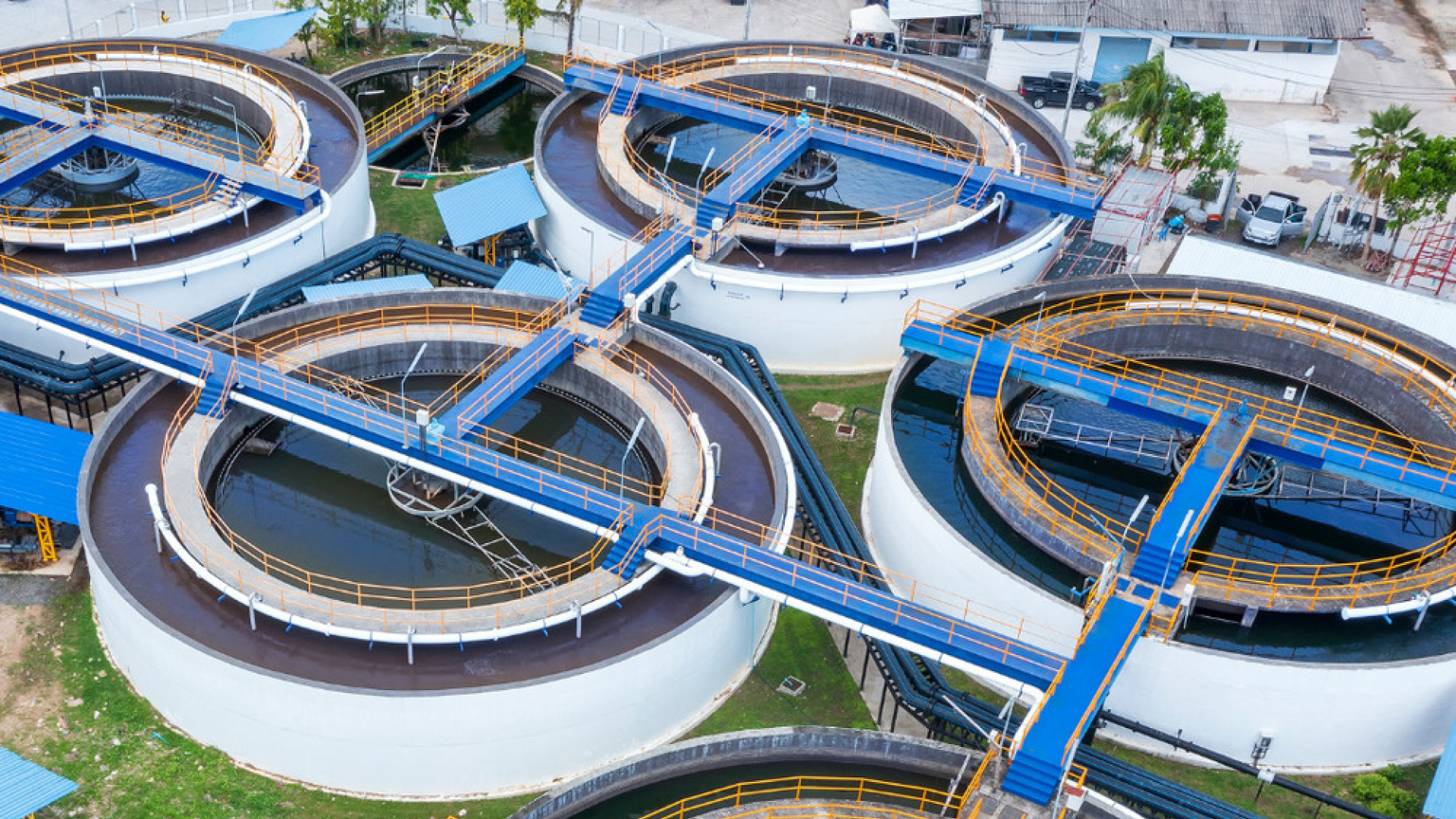
The Role of Effluent Treatment Plants
An effluent treatment plant (ETP) is a dedicated facility designed to treat industrial wastewater before discharge or recycling. A modern ETP may include:
Screening systems
Equalization tanks
Chemical treatment units
Biological treatment systems
Dissolved air flotation
Sludge treatment systems
Filtration systems
Reverse osmosis systems
Ultrafiltration systems
Tertiary treatment technologies
Every treatment plant is designed according to the specific wastewater characteristics of the facility it serves. When handling municipal blends alongside industrial flows, facilities must evaluate infrastructure differences like a sewage treatment plant design to guarantee processing stability.
Supporting Sustainable Water Management
Industrial effluent treatment plays a vital role in sustainable water management by reducing water waste and encouraging responsible resource use.
Water Recycling Systems
Instead of discharging treated wastewater, many industries now deploy dedicated water recycling systems to reuse water for:
Cooling systems
Equipment cleaning
Industrial process water
Utility operations
Irrigation
Water recycling systems reduce freshwater demand while improving operational resilience.
Industrial Water Reuse
Advanced industrial water reuse technologies allow treated wastewater to become a valuable operational resource rather than a waste product. Doing so helps businesses lower operating costs while supporting environmental sustainability.
Advanced Technologies Improving Industrial Effluent Treatment
Modern industrial wastewater treatment relies on advanced technologies that improve treatment efficiency and water recovery.
Reverse Osmosis Systems
A reverse osmosis system removes dissolved salts, minerals, heavy metals, and microscopic contaminants. RO water treatment is widely used when high-quality water is required for industrial reuse.
Ultrafiltration Systems
Ultrafiltration systems remove suspended solids, bacteria, viruses, and colloidal particles while protecting downstream treatment processes.
Membrane Bioreactor Systems
A membrane bioreactor system combines biological treatment with membrane filtration to produce exceptionally high-quality treated water.
Dissolved Air Flotation
Dissolved air flotation effectively removes oils, grease, and suspended solids before biological treatment.
Advanced Oxidation Processes
Advanced oxidation technologies help break down difficult organic contaminants that conventional treatment methods may not fully remove.
Environmental Benefits of Industrial Effluent Treatment
Protects Surface Water and Groundwater: Treating wastewater before discharge prevents harmful pollutants from entering rivers, lakes, and underground water sources.
Reduces Pollution: Industrial effluent treatment minimizes the release of hazardous contaminants into the environment.
Conserves Freshwater Resources: Water recycling systems reduce reliance on freshwater supplies by enabling wastewater reuse.
Supports Circular Water Management: Recovering treated water for reuse promotes more efficient resource utilization and reduces overall water consumption.
Improves Biodiversity Protection: Cleaner water helps preserve aquatic ecosystems and protects plant and animal life.
Economic Benefits for Industrial Facilities
Industrial effluent treatment offers significant financial advantages alongside environmental benefits.
Lower Water Costs: Water reuse reduces freshwater purchases and utility expenses.
Reduced Wastewater Disposal Fees: Treating and recycling wastewater lowers disposal volumes and associated costs.
Improved Equipment Performance: Cleaner water protects equipment from scaling, corrosion, and contamination.
Enhanced Operational Efficiency: Reliable water quality improves production consistency while reducing downtime.
Stronger Corporate Reputation: Sustainable wastewater management demonstrates environmental responsibility to customers, investors, and regulatory agencies.
Regulatory Compliance
Industrial facilities must comply with increasingly strict wastewater discharge standards. Treatment systems help organizations meet requirements related to:
BOD reduction
COD reduction
TDS control
Oil and grease removal
Heavy metal limits
Industrial discharge standards
Maintaining compliance reduces legal risks while supporting responsible environmental stewardship and helps support environmental compliance across all regional operations.
Common Mistakes to Avoid
Delaying Treatment System Upgrades: Older systems may struggle to meet modern regulatory requirements or support water reuse initiatives. Implementing timely treatment system upgrades ensures long-term operational viability.
Using Generic Treatment Solutions: Every industrial wastewater stream has unique characteristics that require customized treatment approaches.
Neglecting Preventive Maintenance: Regular inspections and maintenance help maintain treatment efficiency and extend equipment life.
Ignoring Water Reuse Opportunities: Discharging treated water without evaluating reuse options can increase operating costs and freshwater demand.
Failing to Monitor Performance: Continuous monitoring helps identify issues early and ensures consistent treatment quality.
Best Practices for Effective Industrial Effluent Treatment
Conduct Detailed Wastewater Analysis: Accurate water testing supports proper system design and technology selection.
Select Integrated Treatment Technologies: Combining physical, chemical, and biological processes often provides the best treatment results.
Incorporate Smart Water Management: Real-time smart water management improves efficiency, supports compliance, and enables predictive maintenance.
Plan for Future Capacity: Treatment systems should accommodate production growth and evolving regulatory requirements.
Work with Experienced Water Treatment Specialists: Customized solutions deliver greater efficiency, reliability, and long-term value.
Future Trends in Industrial Effluent Treatment
The future of industrial wastewater treatment is focused on innovation, automation, and sustainability.
Artificial Intelligence: AI-driven process optimization improves treatment efficiency and reduces operating costs.
Smart Monitoring Systems: Advanced sensors provide real-time operational data and predictive maintenance insights.
Zero Liquid Discharge: Zero Liquid Discharge (ZLD) systems maximize water recovery while minimizing wastewater disposal.
Advanced Membrane Technologies: New membrane filtration systems continue to improve contaminant removal and energy efficiency.
Greater Industrial Water Reuse: More industries are adopting wastewater recycling and water reuse technologies to strengthen water security and reduce environmental impact.
Frequently Asked Questions
What is industrial effluent treatment? Industrial effluent treatment is the process of removing contaminants from industrial wastewater before it is discharged, recycled, or reused, helping protect the environment and ensure regulatory compliance.
Why is industrial effluent treatment important for sustainability? It reduces pollution, conserves freshwater resources, supports water recycling, improves environmental compliance, and promotes responsible resource management.
What industries require effluent treatment? Industries such as manufacturing, food and beverage, pharmaceuticals, chemicals, textiles, mining, oil and gas, and power generation commonly require industrial effluent treatment systems.
What is the difference between an effluent treatment plant and a sewage treatment plant? An effluent treatment plant treats industrial wastewater generated during production processes, while a sewage treatment plant treats domestic wastewater from offices, employee facilities, and residential areas.
Can treated industrial wastewater be reused? Yes. After advanced treatment, industrial wastewater can often be reused for cooling systems, equipment cleaning, industrial processes, irrigation, and utility applications.
How do reverse osmosis and ultrafiltration improve effluent treatment? Ultrafiltration removes suspended solids and microorganisms, while reverse osmosis removes dissolved salts and microscopic contaminants, producing high-quality water suitable for reuse.
Conclusion
Industrial effluent treatment is far more than a regulatory requirement. It is a critical investment in environmental sustainability, operational efficiency, and long-term business success. By treating wastewater responsibly, industries can protect natural ecosystems, reduce freshwater consumption, improve regulatory compliance, and unlock valuable opportunities for water reuse.
With advanced technologies such as reverse osmosis systems, ultrafiltration systems, membrane bioreactor systems, water recycling systems, and smart water management platforms, businesses can transform wastewater into a valuable resource while supporting sustainable industrial growth.
H4 Waterworks specializes in customized industrial water treatment, effluent treatment plants, wastewater treatment systems, water recycling technologies, reverse osmosis systems, and smart water management solutions for industries worldwide. Our experienced team develops reliable, scalable solutions that help organizations improve efficiency, meet environmental standards, and build a more sustainable future.
Contact H4 Waterworks today to request a consultation, explore our industrial water treatment services, and discover how our tailored wastewater management solutions can help your facility reduce environmental impact while achieving long-term operational success.