
How to Reduce Water Consumption in Manufacturing Facilities
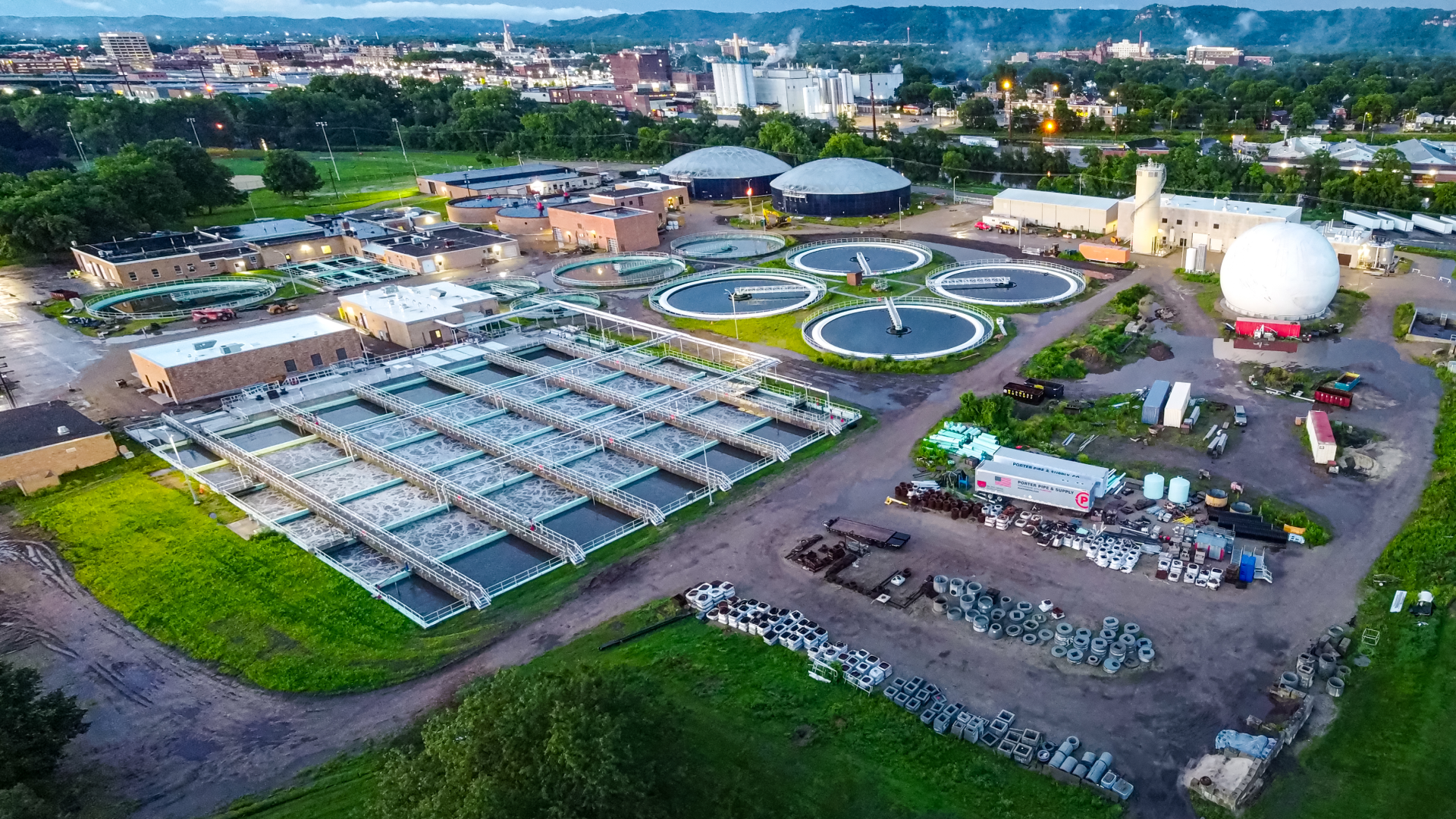
Water is one of the most valuable resources in modern manufacturing. It supports production processes, cooling systems, cleaning operations, steam generation, and countless industrial applications. As industries face rising utility costs, increasing environmental regulations, and growing concerns about water scarcity, improving water efficiency has become both a financial and operational priority.
Reducing water consumption is not simply about using less water. It is about using water more intelligently through optimized processes, advanced water treatment solutions, water recycling systems, and continuous monitoring. Manufacturers that invest in sustainable water management often benefit from lower operating costs, improved environmental performance, greater operational resilience, and stronger regulatory compliance.
Whether you manage a manufacturing plant, processing facility, or industrial campus, understanding where water is used and how it can be conserved is the first step toward building a more efficient operation.
Why Water Conservation Matters in Manufacturing
Manufacturing facilities are among the largest industrial water users worldwide. Water is essential for production, equipment cooling, washing, rinsing, steam generation, product formulation, and wastewater management.
However, inefficient water use can lead to:
Higher operating expenses
Increased wastewater treatment costs
Greater energy consumption
Production inefficiencies
Regulatory compliance challenges
Increased pressure on local water resources
By reducing water consumption, manufacturers can improve profitability while supporting long term environmental sustainability.
What Is Sustainable Water Management?
Sustainable water management is the practice of using water efficiently throughout an industrial facility while minimizing waste, maximizing reuse, and protecting available water resources.
An effective strategy typically combines:
Wastewater treatment systems
Industrial filtration
Continuous performance monitoring
Rather than focusing on a single solution, a robust plan addresses the entire water lifecycle across the facility by outlining clear sustainable water management strategies for businesses.
Identify Where Water Is Being Used
Before reducing consumption, manufacturers need a clear understanding of how water moves through their operations.
Common areas of water use include:
Production processes
Boiler feed water
Cooling towers
Equipment cleaning
Product washing
Chemical processing
Utility water management
Domestic sanitation
A comprehensive water audit helps identify the largest opportunities for improvement.
Conduct a Water Audit
A water audit provides valuable insights into how water is consumed throughout a facility.
The audit should evaluate:
Water sources
Daily consumption
Peak demand periods
Process water usage
Wastewater generation
Areas of water loss
Equipment performance
Opportunities for water reuse
Accurate data allows manufacturers to prioritize improvements that deliver the greatest return on investment.
Upgrade Industrial Water Treatment Systems
Efficient industrial water treatment plays a major role in reducing overall water consumption.
Proper treatment allows facilities to:
Improve water quality
Extend equipment life
Reduce blowdown
Increase process efficiency
Modern water treatment solutions often include:
Nanofiltration technology
Membrane filtration
Water purification systems
Improved water quality reduces equipment fouling and minimizes unnecessary water replacement, which is why industrial water treatment is essential for modern manufacturing plants.
Optimize Boiler Feed Water Systems
Boilers consume significant amounts of water in many manufacturing plants.
Improving boiler feed water treatment helps reduce water use by:
Preventing scale formation
Improving heat transfer
Reducing blowdown frequency
Extending equipment life
Lowering energy consumption
Reverse osmosis systems and properly managed industrial water treatment programs can significantly improve boiler efficiency while reducing freshwater demand.
Improve Cooling Tower Efficiency
Cooling towers represent another major opportunity for water conservation.
Effective cooling tower water treatment allows facilities to:
Increase concentration cycles
Reduce blowdown
Minimize scaling
Control corrosion
Improve heat transfer
Best practices include:
Smart water monitoring
Side stream filtration
Chemical optimization
Leak detection
Routine maintenance solutions
Well maintained cooling systems often require considerably less make up water.
Implement Water Recycling Systems
Water recycling systems are among the most effective ways to reduce industrial water consumption.
Rather than discharging wastewater after a single use, manufacturers can treat and reuse water in suitable applications.
Common reuse opportunities include:
Cooling tower makeup water
Equipment washing
Process water
Irrigation
Utility operations
Advanced wastewater treatment systems can make industrial water reuse both practical and cost effective, showing exactly how wastewater recycling reduces operational costs.
Reuse Treated Wastewater
Many manufacturing facilities can safely reuse treated wastewater through properly designed treatment systems that align with long-term industrial effluent treatment for sustainability.
Technologies that support wastewater recycling include:
Effluent treatment plants
Ultrafiltration systems
Reverse osmosis systems
Advanced oxidation process technologies
Biological treatment systems
Wastewater reuse reduces dependence on freshwater supplies while lowering discharge volumes.
Upgrade Filtration Systems
Efficient industrial filtration systems improve water efficiency significantly throughout manufacturing operations.
Modern filtration systems remove:
Suspended solids
Organic contaminants
Sediment
Process debris
Cleaner water supports longer equipment life, improves treatment efficiency, and increases opportunities for water reuse.
Install Smart Water Monitoring Systems
Many facilities still rely on manual inspections and periodic meter readings.
Smart water management technologies provide continuous visibility into water consumption through:
Digital flow meters
Conductivity sensors
Pressure monitoring
Leak detection
Water quality monitoring
Automated reporting
Real-time data allows operators to quickly identify inefficiencies, illustrating how smart monitoring improves wastewater operations before they become costly problems.
Detect and Repair Water Leaks
Even small leaks can waste thousands of gallons of water over time.
Common sources include:
Pipes
Valves
Pumps
Cooling systems
Boiler connections
Storage tanks
Routine inspections combined with smart monitoring systems help identify leaks early and reduce unnecessary water loss, making it easy to see when your facility is showing signs it needs a water treatment upgrade.
Improve Process Efficiency
Water conservation is often achieved by improving production processes rather than simply reducing water use.
Manufacturers can:
Optimize cleaning procedures
Reduce rinse water requirements
Improve chemical dosing
Upgrade production equipment
Automate water intensive operations
Process optimization often reduces both water and energy consumption simultaneously.
Recover and Reuse Process Water
Many industrial processes generate water that remains suitable for secondary applications after treatment.
Recovered water can often be reused for:
Equipment cleaning
Cooling systems
Utility water management
Dust suppression
Landscape irrigation
Water reuse technologies help maximize every gallon entering the facility.
Train Employees on Water Conservation
Technology alone cannot achieve sustainable water management.
Employees should understand:
Water conservation goals
Equipment operating procedures
Leak reporting processes
Efficient cleaning practices
Preventive maintenance requirements
Creating a culture of water stewardship often produces lasting improvements across the organization.
Technologies Supporting Water Conservation
Reverse Osmosis Systems
Reverse osmosis systems remove dissolved contaminants, allowing treated water to be reused in demanding industrial applications. RO water treatment supports high purity process water, boiler feed water, industrial water reuse, and wastewater recycling.
Ultrafiltration Systems
Ultrafiltration systems remove suspended solids and microorganisms, making them valuable for water recycling applications.
Membrane Bioreactor Systems
Membrane bioreactor systems combine biological treatment with membrane filtration to produce high quality reclaimed water suitable for industrial reuse.
Treatment Plant Automation
Automation improves water efficiency by continuously optimizing treatment performance and reducing manual adjustments.
Smart Water Management
Digital monitoring technologies provide actionable insights that improve operational decision making and reduce unnecessary water consumption.
Common Mistakes That Increase Water Consumption
Ignoring Water Usage Data
Without accurate monitoring, opportunities for improvement are often overlooked.
Delaying Equipment Maintenance
Poorly maintained equipment frequently wastes water through leaks, inefficient operation, or excessive blowdown. Keep up with routine maintenance solutions to stay ahead of trouble.
Treating Wastewater as Waste
Many facilities overlook opportunities to recycle treated wastewater rather than dumping it, running into common mistakes industries make in wastewater management.
Using Outdated Treatment Equipment
Older systems often consume more water, chemicals, and energy than modern alternatives, making an effluent treatment plant upgrade necessary over time.
Focusing Only on Production
Supporting systems such as boilers, cooling towers, and cleaning operations often provide the greatest water conservation opportunities.
Best Practices for Long Term Water Efficiency
Conduct Regular Water Audits
Evaluate consumption trends and identify new opportunities for improvement.
Monitor Key Performance Indicators
Track water use per unit of production, water reuse rates, wastewater generation, treatment efficiency, and leak frequency.
Invest in Modern Water Treatment Solutions
Upgrading to advanced water treatment technologies can improve both water quality and conservation.
Design for Future Growth
Scalable solutions and modular system upgrades help manufacturers accommodate expanding production without significantly increasing water demand.
Work With Experienced Water Treatment Experts
Customized industrial water treatment solutions deliver better long term performance than one size fits all approaches. Learn how to choose the right industrial water treatment system for your facility from trusted leaders.
Future Trends in Industrial Water Conservation
Increased Industrial Water Reuse
More manufacturers are integrating wastewater recycling into everyday operations to reduce freshwater demand.
Artificial Intelligence and Predictive Analytics
AI powered monitoring systems help facilities optimize water consumption and detect inefficiencies in real time.
Zero Liquid Discharge
Industries with strict environmental requirements are increasingly pursuing zero liquid discharge systems to maximize water recovery.
Smart Manufacturing Integration
Water management is becoming part of broader digital manufacturing initiatives that improve operational efficiency across entire facilities.
Sustainable Infrastructure Investment
Manufacturers continue investing in eco-friendly wastewater treatment methods to strengthen resilience and meet environmental goals.
Frequently Asked Questions
Why is reducing water consumption important for manufacturers? Lower water consumption reduces operating costs, supports environmental sustainability, improves regulatory water quality compliance, and strengthens long term operational resilience.
What is the most effective way to reduce industrial water use? The best approach combines water audits, efficient industrial water treatment, water recycling systems, leak detection, and continuous monitoring.
Can treated wastewater be reused in manufacturing? Yes. Properly treated wastewater can often be reused for cooling, cleaning, utility operations, and certain industrial processes, depending on water quality requirements.
How do reverse osmosis systems help conserve water? Reverse osmosis systems improve water quality, support industrial water reuse, and produce high quality process water that reduces reliance on fresh water supplies while mitigating industrial RO plant problems.
What industries benefit most from water conservation programs? Virtually every manufacturing sector—including food processing, pharmaceuticals, chemicals, automotive, electronics, textiles, mining, and energy production—can benefit from improved water efficiency.
Conclusion
Reducing water consumption in manufacturing facilities is no longer just an environmental initiative. It is a practical business strategy that improves operational efficiency, reduces costs, strengthens environmental compliance, and supports long term sustainability.
From upgrading industrial water treatment systems and optimizing boiler and cooling tower performance to implementing water recycling systems and smart water management technologies, manufacturers have numerous opportunities to improve how water is used across their operations.
At H4 Waterworks, we specialize in customized industrial water treatment services that help manufacturers optimize water use while building more sustainable and resilient operations. Whether your facility is looking to improve water quality, increase wastewater reuse, modernize treatment infrastructure, or reduce overall water consumption, our team can develop a solution tailored to your operational needs.
Ready to make your manufacturing facility more water efficient? Contact our technical experts today to request a consultation, explore our industrial water treatment services, and speak with our technical experts about a customized water conservation strategy.