
Boiler Feed Water Treatment: Why It Matters for Industrial Performance
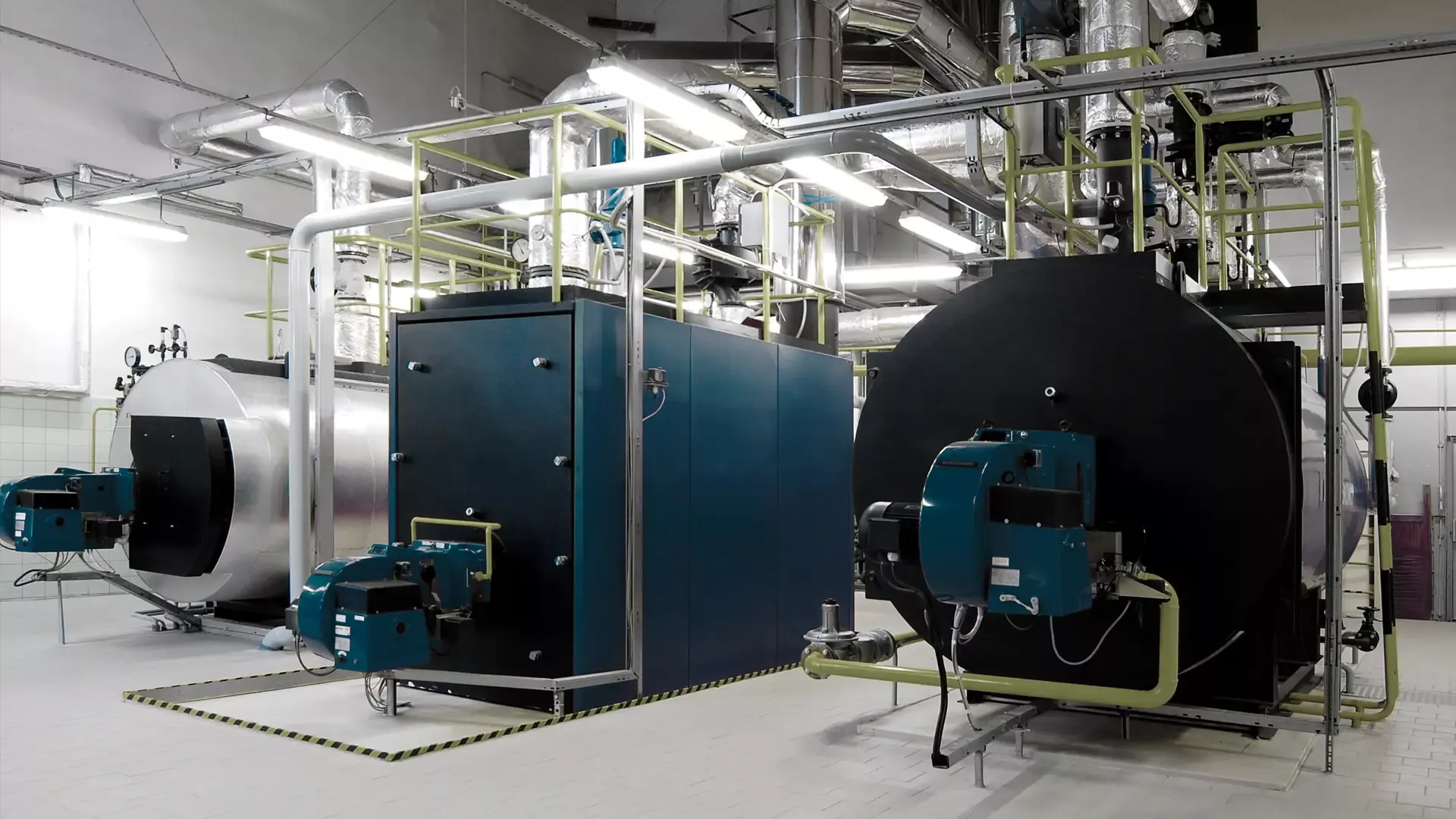
Industrial boilers are among the most important pieces of equipment in manufacturing plants, power facilities, food processing operations, refineries, and commercial infrastructure. They provide the steam and heat needed to keep critical processes running efficiently. Yet, one factor that is often overlooked can significantly impact boiler reliability and performance: water quality.
Boiler feed water treatment is essential for protecting equipment, reducing energy costs, improving operational efficiency, and extending the lifespan of industrial systems. Even minor water quality issues can lead to scale formation, corrosion, equipment failures, and costly downtime.
As industries focus on efficiency, sustainability, and regulatory compliance, proper boiler water treatment has become a vital component of modern industrial water treatment strategies.
What Is Boiler Feed Water Treatment?
Boiler feed water treatment is the process of removing impurities and controlling water chemistry before water enters a boiler system.
The objective is to produce water that minimizes:
Scale formation
Corrosion
Foaming and carryover
Deposits and sludge buildup
Energy inefficiencies
Premature equipment failure
A properly designed boiler feed water treatment program typically combines multiple water treatment solutions, including filtration systems, reverse osmosis systems, softening technologies, and chemical treatment processes.
Why Water Quality Is Critical for Boiler Performance
Boilers operate under high temperatures and pressures. Even small amounts of contaminants can create significant operational problems.
Common contaminants found in untreated water include:
Calcium and magnesium hardness
Dissolved solids
Silica
Iron and manganese
Oxygen and carbon dioxide
Suspended solids
Organic matter
Microbiological contaminants
Without proper treatment, these contaminants can quickly damage boiler components and reduce system efficiency.
The Biggest Problems Caused by Poor Boiler Feed Water Quality
Scale Formation
Scale is one of the most common boiler issues. Minerals such as calcium and magnesium precipitate and form hard deposits on heat transfer surfaces.
Even a thin layer of scale can:
Reduce heat transfer efficiency
Increase fuel consumption
Cause overheating
Shorten equipment life
Increase maintenance costs
A heavily scaled boiler can consume significantly more energy than a properly maintained system.
Corrosion
Corrosion occurs when dissolved oxygen, carbon dioxide, or improper pH levels attack metal surfaces.
Corrosion can result in:
Pitting damage
Pipe failures
Boiler tube leaks
Unplanned shutdowns
Costly repairs
Industrial facilities often underestimate the long term financial impact of corrosion until equipment failures occur.
Sludge and Deposits
Suspended solids and precipitated minerals accumulate inside the boiler, forming sludge.
Excessive sludge can:
Restrict water flow
Reduce heat transfer
Increase maintenance requirements
Damage critical components
Carryover and Steam Contamination
Poor water quality may cause foaming and carryover, where water droplets are carried into the steam system.
This can damage:
Turbines
Valves
Heat exchangers
Process equipment
Maintaining proper water chemistry is essential for producing clean, high quality steam.
Why Boiler Feed Water Treatment Matters for Industrial Performance
Improved Energy Efficiency
Boiler efficiency depends heavily on heat transfer performance. When scale and deposits accumulate, boilers require more fuel to generate the same amount of steam.
Effective boiler water treatment improves:
Fuel efficiency
Heat transfer
Steam production
Overall plant performance
Reduced Equipment Downtime
Unexpected boiler failures can halt production and create significant financial losses. Reviewing top wastewater treatment challenges in manufacturing industries and incoming feed lines shows that a comprehensive industrial water treatment program reduces:
Emergency repairs
Maintenance interruptions
Production delays
Equipment replacement costs
Extended Equipment Lifespan
Boilers represent a major capital investment. Proper water treatment protects:
Boiler tubes
Feedwater systems
Pumps
Valves
Steam distribution equipment
This significantly extends equipment life and reduces lifecycle costs.
Better Environmental Performance
Efficient boilers consume less fuel and produce lower emissions. Understanding how industrial wastewater treatment supports environmental compliance alongside incoming water management demonstrates how improved water treatment also supports:
Water conservation technologies
Industrial water reuse initiatives
Reduced chemical consumption
Key Components of Boiler Feed Water Treatment
Filtration Systems
Filtration systems remove suspended solids and larger particles that can contribute to deposits and fouling.
Common filtration technologies include:
Multimedia filters
Cartridge filters
Sand filtration
Activated carbon systems
Filtration often serves as the first stage of treatment.
Water Softening Systems
Water softeners remove hardness minerals that cause scale formation. These systems exchange calcium and magnesium ions with sodium ions, reducing the risk of mineral deposits inside boilers.
Reverse Osmosis Systems
A reverse osmosis system is one of the most effective technologies for producing high purity boiler feed water.
RO water treatment removes:
Dissolved salts
Minerals
Silica
Heavy metals
Organic contaminants
Industrial RO plants are increasingly used in facilities requiring high pressure boilers and high quality steam production.
Deaeration Systems
Dissolved oxygen and carbon dioxide can cause severe corrosion. Deaerators remove these gases before water enters the boiler system.
Chemical Treatment Programs
Chemical treatment remains an essential component of boiler feed water management.
Treatment programs may include:
Oxygen scavengers
pH adjustment chemicals
Scale inhibitors
Corrosion inhibitors
Dispersants
Proper chemical dosing improves system reliability and why water quality compliance matters in industrial operations.
Understanding Boiler Feed Water Quality Parameters
Several parameters should be monitored regularly.
Total Dissolved Solids (TDS)
Excessive TDS can lead to:
Scale formation
Carryover
Reduced steam purity
Proper TDS control is critical for efficient boiler operation.
pH Levels
Maintaining appropriate pH minimizes corrosion and supports stable boiler chemistry.
Hardness
Hardness minerals are the primary cause of scale. Even small concentrations can create significant issues over time.
Dissolved Oxygen
Oxygen is one of the leading causes of boiler corrosion. Continuous monitoring helps protect equipment integrity.
Silica
Silica can create difficult to remove deposits and contaminate steam systems. Many facilities rely on reverse osmosis systems to reduce silica levels effectively.
Industry Applications That Depend on Boiler Feed Water Treatment
Manufacturing Facilities
Why industrial water treatment is essential for modern manufacturing plants often centers on boiler dependability. Manufacturers rely on boilers for:
Process heating
Steam generation
Cleaning operations
Production processes
Food and Beverage Processing
High quality steam is essential for sanitation and product safety, highlighting the need for specialized water treatment solutions for food & beverage industries.
Pharmaceutical Facilities
Strict water quality requirements make advanced water purification systems necessary.
Power Generation Plants
Power facilities depend on high purity boiler feed water to maintain efficiency and protect turbines.
Oil and Gas Operations
Refineries and processing facilities require reliable steam systems for critical operations, which is a major factor in wastewater treatment for oil & gas industries.
Common Boiler Water Treatment Mistakes
Infrequent Water Testing
Without regular analysis, water chemistry problems often go unnoticed until equipment damage occurs.
Ignoring Pretreatment
Chemical treatment alone cannot compensate for poor source water quality. Pretreatment technologies such as ultrafiltration systems and reverse osmosis are often necessary.
Improper Chemical Dosing
Overfeeding or underfeeding chemicals can create additional operational problems.
Delaying Maintenance
Neglecting routine upkeep or ignoring the top signs your facility needs a water treatment upgrade can significantly reduce system performance and increase repair costs.
Treating Every Boiler the Same
Every facility has unique water characteristics and operational requirements. Looking over common mistakes industries make in wastewater management and feed systems demonstrates that customized industrial water treatment solutions always provide better long term results.
Best Practices for Effective Boiler Feed Water Management
Conduct Comprehensive Water Analysis
Understanding source water quality is the first step toward selecting the appropriate treatment program.
Monitor Water Quality Continuously
Modern smart water management solutions allow facilities to look at how smart monitoring improves wastewater operations and feed lines by checking:
Conductivity
pH
TDS
Chemical dosing
System performance
Use Multiple Treatment Technologies
The most effective systems often combine:
Filtration systems
Water softening
Reverse osmosis systems
Chemical treatment
Automated monitoring
Train Operations Personnel
Proper operator training improves system performance and reduces the risk of treatment failures.
Partner With Water Treatment Experts
Working with experienced water and wastewater treatment specialists ensures systems are properly designed, maintained, and optimized.
Future Trends in Boiler Feed Water Treatment
Smart Water Monitoring
Digital monitoring systems are improving treatment accuracy and reducing operating costs.
Treatment Plant Automation
Automated water treatment plants are helping industries improve efficiency while minimizing manual intervention.
Water Recycling Systems
Many facilities are integrating water recycling systems into boiler operations to experience how wastewater recycling reduces operational costs and lowers freshwater consumption.
Sustainable Water Management
Environmental goals are driving greater investment in industrial water reuse and water conservation technologies, bringing eco-friendly wastewater treatment methods and modern feed treatments forward.
Advanced Membrane Technologies
Innovations in membrane filtration continue to improve water quality while lowering energy requirements, defining the future of water reuse technologies.
Frequently Asked Questions
What is boiler feed water treatment?
Boiler feed water treatment is the process of removing contaminants and controlling water chemistry before water enters an industrial boiler system.
Why is boiler water treatment important?
Proper treatment prevents scale, corrosion, equipment failures, and energy losses while improving boiler efficiency and reliability.
Does every industrial boiler need water treatment?
Yes. All industrial boilers require some level of water treatment because untreated water can quickly damage equipment and reduce performance.
Is reverse osmosis necessary for boiler feed water?
Many facilities benefit from reverse osmosis systems, particularly when high purity water or low TDS levels are required.
How often should boiler water be tested?
Testing frequency depends on system size and operating conditions, but regular monitoring is essential to maintain water quality and prevent problems.
Conclusion
Boiler feed water treatment is far more than a maintenance activity. It is a critical investment in industrial performance, equipment reliability, and long term sustainability. Poor water quality can lead to scaling, corrosion, higher energy consumption, and costly downtime, while an effective treatment program supports efficient and dependable operations.
From filtration systems and reverse osmosis systems to smart monitoring and customized treatment programs, modern water treatment solutions help industries maximize boiler performance and protect valuable infrastructure.
At H4 Waterworks, we provide customized industrial water treatment solutions designed to help facilities optimize boiler operations, improve water quality, and achieve sustainable performance goals. Our team of water and wastewater treatment experts works with industries worldwide to develop reliable and efficient water management strategies. Discover more about H4 Waterworks or check out our complete blog archive for additional commercial resources.
Ready to improve your boiler system performance? Contact our technical team today to request a consultation, explore our industrial water treatment services, and speak with our technical experts about the right solution for your facility.