
Cooling Tower Water Treatment Best Practices for Manufacturing Plants
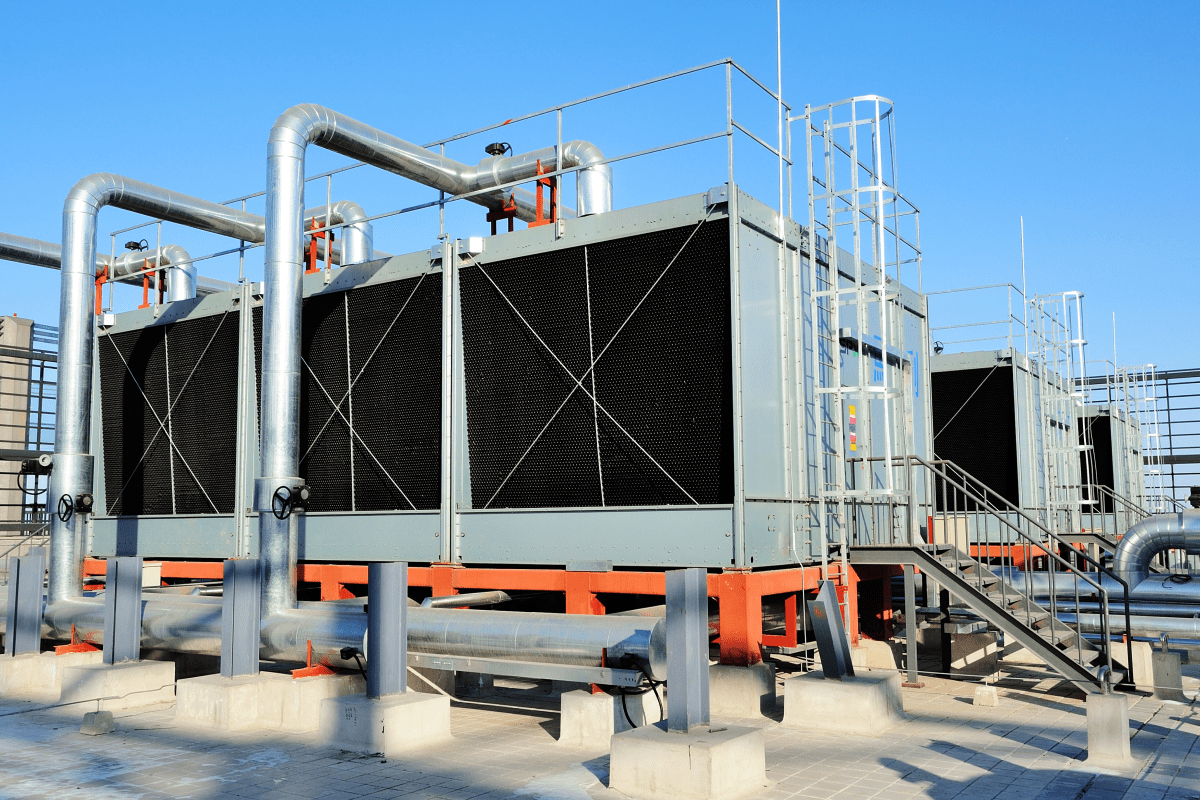
Manufacturing plants rely heavily on cooling towers to maintain safe operating temperatures, protect equipment, and support continuous production. From food processing facilities and chemical plants to power generation stations and metal manufacturing operations, cooling systems play a vital role in overall plant performance.
However, cooling towers can quickly become sources of operational problems if water quality is not properly managed. Scale buildup, corrosion, biological growth, and poor water chemistry can significantly reduce efficiency, increase energy costs, and lead to expensive equipment failures.
Implementing effective cooling tower water treatment best practices is one of the most important steps manufacturers can take to improve reliability, reduce operating expenses, and support long term sustainability goals.
Why Cooling Tower Water Treatment Matters
Cooling towers continuously circulate water to remove heat from industrial processes and equipment. As water evaporates, contaminants become increasingly concentrated within the system.
Without proper industrial water treatment, cooling towers may experience:
Scale formation
Corrosion damage
Microbial growth
Reduced heat transfer efficiency
Higher energy consumption
Increased maintenance costs
Equipment failures
Unexpected production downtime
A well designed cooling tower water treatment program helps maintain system efficiency while supporting sustainable water management and regulatory compliance.
What Is Cooling Tower Water Treatment?
Cooling tower water treatment refers to the processes and technologies used to control water quality in cooling systems. The goal is to maintain water chemistry that protects equipment and maximizes heat transfer efficiency.
A comprehensive treatment program often includes:
Filtration systems
Chemical treatment programs
Water quality monitoring
Side stream filtration
Reverse osmosis systems
Water recycling systems
Smart water management technologies
The right combination depends on the facility's water source, operating conditions, and production requirements.
The Biggest Water Challenges in Cooling Towers
Scale Formation
Scale develops when dissolved minerals such as calcium and magnesium precipitate and form deposits on heat transfer surfaces.
Even a thin layer of scale can:
Reduce cooling efficiency
Increase energy consumption
Restrict water flow
Cause equipment overheating
Increase operating costs
TDS control and proper water chemistry management are essential for preventing scale.
Corrosion
Corrosion occurs when water chemistry is not properly balanced.
Corrosion can damage:
Heat exchangers
Pipes
Pumps
Cooling tower structures
Condensers
Over time, corrosion may lead to system leaks, equipment failures, and costly repairs.
Biological Growth
Cooling towers provide ideal conditions for bacteria, algae, and microorganisms.
Biological contamination can cause:
Biofilm formation
Reduced heat transfer
Increased corrosion
Plugged piping
Poor system performance
Effective biological treatment programs are critical for maintaining system reliability.
Fouling and Sediment Buildup
Suspended solids and debris can accumulate within cooling systems and reduce efficiency.
Fouling often results in:
Increased maintenance
Restricted flow
Reduced heat transfer
Equipment damage
Industrial filtration systems are highly effective at controlling particulate contamination to improve water efficiency.
Best Practices for Cooling Tower Water Treatment
Conduct a Comprehensive Water Analysis
Every cooling tower system is different. Before implementing any treatment program, facilities should evaluate:
Source water quality
Total Dissolved Solids (TDS)
Hardness levels
pH
Microbiological activity
Suspended solids
Conductivity
Corrosion potential
Understanding water characteristics is the foundation of effective water treatment solutions.
Monitor Water Chemistry Regularly
Regular testing helps identify problems before they become costly failures.
Critical parameters to monitor include:
Conductivity
pH levels
Alkalinity
Hardness
Chloride concentration
Biological activity
Corrosion indicators
Modern smart monitoring systems provide real time data that helps operators optimize treatment programs.
Control Scale Formation
Scale prevention is one of the most important aspects of cooling tower water management.
Effective strategies include:
Water softening
Chemical inhibitors
Reverse osmosis systems
Controlled blowdown
Improved concentration management
Proper scale control improves heat transfer and lowers energy costs.
Implement Effective Corrosion Control
Corrosion management should be part of every cooling tower treatment strategy.
Common approaches include:
Corrosion inhibitors
pH adjustment
Oxygen control
Proper material selection
Continuous monitoring
Protecting equipment from corrosion significantly extends system lifespan.
Manage Microbiological Growth
Microbial contamination can severely impact cooling tower performance.
Best practices include:
Routine cleaning
Biocide treatment programs
Monitoring microbial activity
Maintaining proper circulation
Removing accumulated sludge
Effective biological control improves efficiency and reduces maintenance requirements.
Install Side Stream Filtration
Side stream filtration continuously removes suspended solids from circulating water.
Benefits include:
Reduced fouling
Improved water quality
Lower maintenance costs
Better heat transfer efficiency
Longer equipment life
Industrial filtration systems are increasingly used in manufacturing plants to improve cooling system reliability.
Optimize Blowdown Management
Blowdown removes concentrated contaminants from cooling towers.
Proper blowdown management helps:
Control TDS levels
Prevent scaling
Reduce corrosion
Improve system stability
Automated monitoring systems can optimize blowdown rates and improve water conservation.
The Role of Water Recycling Systems in Cooling Towers
As industries focus on sustainability and water conservation technologies, many facilities are exploring water recycling systems for cooling tower operations.
Recycled water can be used in cooling systems when properly treated through:
Filtration systems
Advanced oxidation processes
Industrial water reuse technologies help facilities:
Reduce freshwater demand
Lower operating costs
Improve sustainability performance
Strengthen water security
Industrial water reuse is becoming increasingly important in regions experiencing water scarcity.
Technologies Used in Modern Cooling Tower Water Treatment
Reverse Osmosis Systems
A reverse osmosis system removes dissolved minerals and contaminants that contribute to scaling and corrosion. RO water treatment can improve:
Water quality
Concentration cycles
Water reuse opportunities
System efficiency
Facilities often evaluate their setup using industrial RO plants guidelines to track routine wear.
Ultrafiltration Systems
Ultrafiltration systems remove:
Suspended solids
Bacteria
Organic contaminants
These technologies are particularly useful when recycled water is used in cooling towers.
Smart Water Management Systems
Digital technologies are transforming cooling tower operations through smart water management solutions that offer:
Real time monitoring
Automated chemical control
Predictive maintenance
Data driven optimization
Smart water management solutions improve operational efficiency and reduce maintenance costs.
Treatment Plant Automation
Automated water treatment plants can continuously adjust water chemistry and respond to changing operating conditions.
Automation helps manufacturers:
Improve reliability
Reduce manual intervention
Increase efficiency
Enhance water quality compliance
Common Cooling Tower Water Treatment Mistakes
Ignoring Water Testing
Without regular analysis, problems such as scaling and corrosion may remain undetected until significant damage occurs.
Using Generic Treatment Programs
Every manufacturing facility has unique water quality challenges. Why industrial water treatment is essential for modern manufacturing plants is that customized industrial water treatment solutions generally provide better results.
Delaying Maintenance
Minor issues can quickly become expensive repairs if maintenance is postponed. Recognizing the top signs your facility needs a water treatment upgrade protects systems before serious malfunctions occur.
Focusing Only on Chemicals
Chemical treatment is important, but filtration, monitoring, and proper system design are equally critical.
Overlooking Water Reuse Opportunities
Studying common mistakes industries make in wastewater management shows that many facilities can significantly reduce water consumption through wastewater recycling and industrial water reuse strategies.
Benefits of Effective Cooling Tower Water Treatment
Improved Energy Efficiency
Clean heat transfer surfaces require less energy to achieve the desired cooling performance.
Reduced Maintenance Costs
Proper treatment minimizes equipment failures and emergency repairs, mirroring how wastewater recycling reduces operational costs across plant systems.
Extended Equipment Lifespan
Scale and corrosion control protect valuable infrastructure and reduce replacement expenses.
Better Production Reliability
Reliable cooling systems reduce the risk of unplanned downtime, resolving top wastewater treatment challenges in manufacturing industries.
Enhanced Sustainability
Efficient cooling tower management supports environmental sustainability and sustainable water management strategies through eco-friendly wastewater treatment methods.
Future Trends in Cooling Tower Water Management
Increased Water Reuse
Manufacturers are increasingly integrating wastewater reuse into cooling system operations, exploring the future of water reuse technologies.
Smart Monitoring Technologies
Advanced sensors and digital analytics are improving treatment accuracy and operational visibility.
Sustainable Water Infrastructure
Industries are investing in long term water sustainability solutions to improve resilience and reduce environmental impact.
Artificial Intelligence and Automation
AI powered systems are helping operators optimize cooling tower performance and predict maintenance requirements.
Greater Focus on Water Scarcity Solutions
As freshwater resources become increasingly limited, efficient cooling tower management will continue to play a critical role in industrial water strategy, showing how desalination systems help solve water scarcity.
Frequently Asked Questions
Why is cooling tower water treatment important?
Proper treatment prevents scale, corrosion, and biological growth while improving efficiency and extending equipment life.
How often should cooling tower water be tested?
Testing frequency depends on operating conditions, but regular monitoring is essential for maintaining system performance.
Can recycled water be used in cooling towers?
Yes. Properly treated recycled water can be safely used in many cooling tower applications and supports sustainable water management goals.
What causes scale in cooling towers?
Scale forms when dissolved minerals become concentrated and precipitate onto equipment surfaces.
What technologies improve cooling tower performance?
Filtration systems, reverse osmosis systems, smart monitoring technologies, and automated treatment programs all contribute to improved cooling tower efficiency.
Conclusion
Cooling tower water treatment is far more than a maintenance activity. It is a critical component of industrial performance, energy efficiency, equipment reliability, and sustainable water management.
By implementing best practices such as regular monitoring, scale control, corrosion prevention, biological management, and water recycling strategies, manufacturing facilities can significantly improve cooling system performance while reducing costs and environmental impact.
At H4 Waterworks, we provide customized industrial water treatment solutions designed to help manufacturers optimize cooling tower performance and build resilient water infrastructure. From advanced filtration systems and reverse osmosis technologies to smart water management solutions and water recycling systems, our experts deliver tailored strategies for facilities worldwide. Discover more about H4 Waterworks or check our complete industry blog.
Looking to improve your cooling tower efficiency and water management strategy? Contact our technical team today to request a consultation, explore our industrial water treatment services, and speak with our technical experts about the right solution for your facility.