
Preventive Maintenance Tips for Industrial Water Treatment Equipment
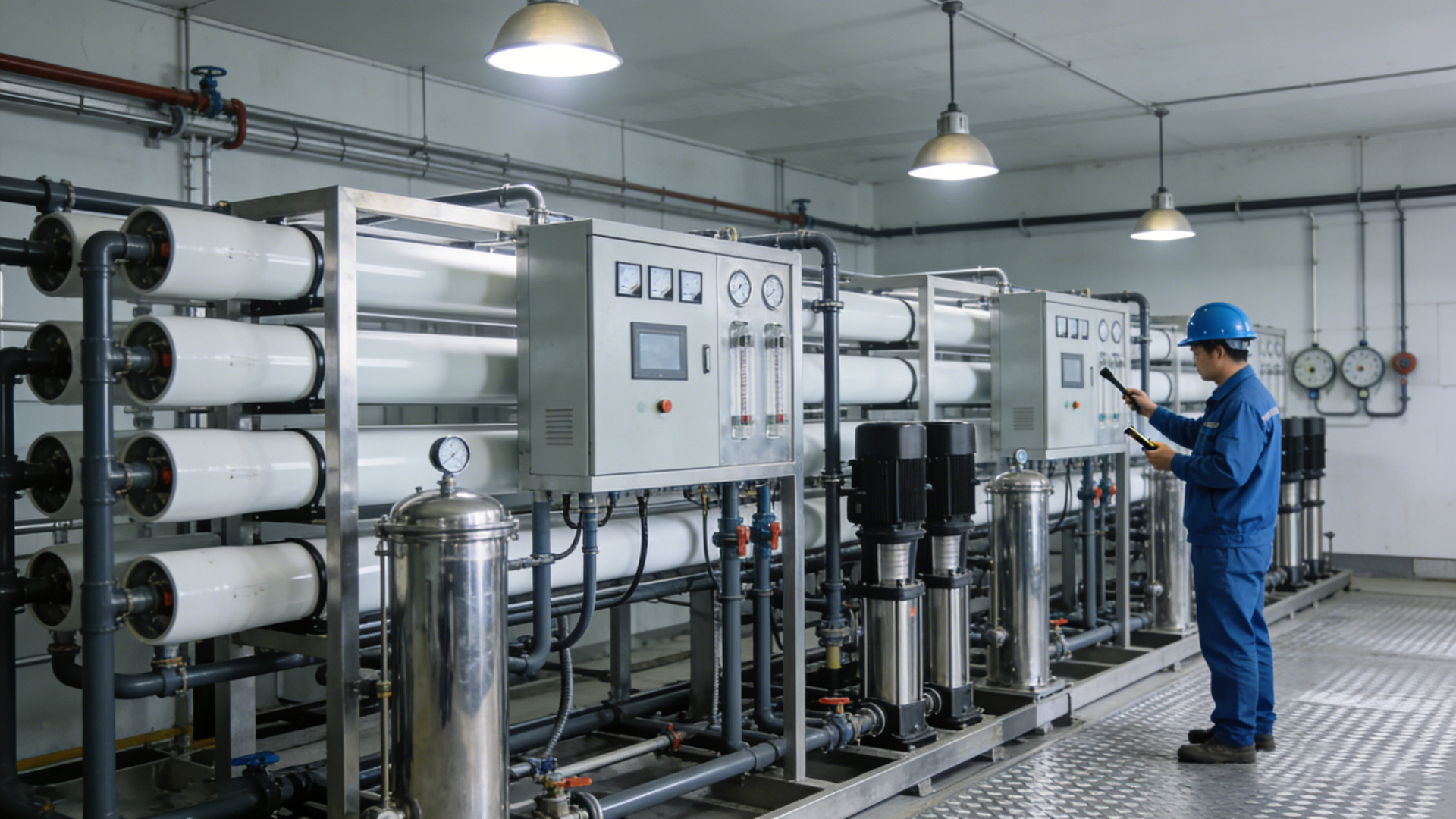
Industrial water treatment equipment is a significant investment that supports daily operations across manufacturing facilities, power plants, commercial buildings, municipalities, and infrastructure projects. Whether treating process water, boiler feed water, cooling tower water, or industrial wastewater, these systems are expected to operate reliably under demanding conditions.
However, even the most advanced equipment can experience performance issues if routine maintenance is overlooked. Preventive maintenance helps identify potential problems before they lead to equipment failures, costly repairs, or unplanned production downtime.
A proactive maintenance strategy not only protects critical assets but also improves treatment efficiency, extends equipment life, supports regulatory compliance, and contributes to sustainable water management.
Why Preventive Maintenance Is Essential for Water Treatment Systems
Industrial water treatment equipment operates continuously, often in challenging environments where contaminants, fluctuating water quality, and heavy workloads place constant stress on system components.
Without regular maintenance, facilities may experience:
Reduced treatment efficiency
Higher energy consumption
Equipment failures
Poor water quality
Increased operating costs
Regulatory compliance issues
Production interruptions
Shortened equipment lifespan
Preventive maintenance minimizes these risks while ensuring water treatment solutions continue to perform as designed.
What Is Preventive Maintenance?
Preventive maintenance is a planned approach to inspecting, cleaning, testing, and servicing equipment at scheduled intervals before failures occur.
Unlike reactive maintenance, which addresses problems after equipment breaks down, preventive maintenance focuses on maintaining reliable operation and preventing unexpected disruptions.
For industrial water treatment systems, preventive maintenance should cover mechanical, electrical, chemical, and automation components.
Develop a Comprehensive Maintenance Plan
Every facility has different operational requirements, water quality conditions, and treatment technologies.
An effective maintenance plan should include:
Equipment inspection schedules
Routine cleaning procedures
Performance testing
Calibration requirements
Replacement intervals for consumable parts
Water quality monitoring
Documentation and maintenance records
A structured maintenance schedule helps ensure that no critical component is overlooked.
Inspect Filtration Systems Regularly
Filtration systems are often the first line of defense in industrial water treatment. Over time, filters accumulate suspended solids, sediments, and debris that can reduce system performance.
Routine inspections should include:
Checking differential pressure
Inspecting filter media
Replacing cartridge filters when needed
Cleaning housings
Verifying flow rates
Maintaining filtration systems helps protect downstream equipment such as reverse osmosis systems and ultrafiltration systems.
Maintain Reverse Osmosis Systems
A reverse osmosis system relies on high performance membranes to remove dissolved contaminants and produce high quality water.
Preventive maintenance should include:
Monitoring membrane performance
Measuring salt rejection
Checking operating pressure
Inspecting pumps
Cleaning membranes when fouling occurs
Replacing worn seals and O-rings
Verifying pretreatment performance
Proper maintenance extends membrane life and improves RO water treatment efficiency.
Monitor Ultrafiltration Systems
Ultrafiltration systems play an important role in removing suspended solids, bacteria, and organic matter.
Maintenance activities include:
Inspecting membrane integrity
Monitoring transmembrane pressure
Performing routine backwashing
Cleaning membranes as recommended
Checking valves and piping
Routine care helps maintain consistent flow rates and water quality.
Inspect Pumps and Motors
Pumps are essential to nearly every industrial water treatment process.
Regular inspections should focus on:
Vibration
Noise
Seal condition
Bearing wear
Lubrication
Alignment
Flow performance
Addressing small mechanical issues early can prevent major equipment failures.
Maintain Chemical Dosing Systems
Chemical dosing systems support scale control, corrosion prevention, pH adjustment, and biological treatment.
Preventive maintenance should include:
Inspecting dosing pumps
Checking injection points
Cleaning chemical lines
Verifying calibration
Monitoring chemical storage tanks
Inspecting leak detection systems
Accurate chemical dosing improves treatment efficiency and reduces chemical waste.
Monitor Water Quality Consistently
Water quality testing is one of the most valuable preventive maintenance tools available.
Key parameters may include:
pH
Total Dissolved Solids (TDS)
Conductivity
Hardness
Turbidity
Biological Oxygen Demand (BOD)
Chemical Oxygen Demand (COD)
Dissolved oxygen
Temperature
Routine monitoring helps operators detect process changes before they affect treatment performance.
Clean Tanks and Vessels
Storage tanks, equalization tanks, pressure vessels, and treatment basins gradually accumulate sediment and sludge.
Periodic cleaning helps:
Prevent contamination
Improve flow
Reduce biological growth
Maintain treatment efficiency
Cleaning frequency should be based on operating conditions and inspection findings rather than fixed intervals alone.
Inspect Pipes, Valves, and Connections
Leaks and damaged piping can increase water loss and reduce treatment efficiency.
Routine inspections should identify:
Corrosion
Loose fittings
Valve wear
Pipe blockages
Pressure drops
Water leaks
Early repairs reduce water waste and improve system reliability.
Calibrate Monitoring Instruments
Accurate monitoring depends on properly calibrated instruments.
Regular calibration should include:
pH sensors
Conductivity meters
Flow meters
Pressure gauges
Level sensors
Dissolved oxygen analyzers
Reliable data allows operators to make informed operational decisions.
Verify Treatment Plant Automation
Modern treatment plant automation improves operational efficiency through continuous monitoring and automatic process adjustments.
Preventive maintenance should include:
Testing control panels
Verifying sensor communication
Inspecting programmable logic controllers
Confirming alarm functions
Updating software when appropriate
Reviewing historical performance data
Automation systems should be tested regularly to ensure they respond correctly to changing operating conditions.
Protect Cooling Tower Water Treatment Equipment
Cooling tower water treatment systems require ongoing maintenance to maintain efficiency.
Best practices include:
Inspecting heat exchangers
Monitoring scale formation
Controlling corrosion
Managing biological growth
Cleaning basins
Checking water distribution systems
Proper cooling tower maintenance reduces energy consumption and improves equipment reliability.
Maintain Boiler Feed Water Systems
Boiler feed water treatment equipment requires consistent maintenance to prevent scale and corrosion.
Routine activities include:
Inspecting softeners
Monitoring reverse osmosis performance
Checking deaerators
Testing water chemistry
Verifying chemical feed systems
Well maintained boiler water treatment equipment supports efficient steam generation and longer equipment life.
Evaluate Water Recycling Systems
Water recycling systems should be inspected regularly to ensure reclaimed water continues to meet operational requirements.
Maintenance activities may include:
Monitoring filtration performance
Inspecting membranes
Testing reclaimed water quality
Reviewing reuse system efficiency
Checking storage capacity
Reliable water recycling supports industrial water reuse and sustainable water management.
Maintain Sludge Treatment Equipment
Facilities operating wastewater treatment systems should regularly inspect sludge handling equipment.
Key components include:
Pumps
Dewatering systems
Conveyors
Thickening equipment
Storage facilities
Effective sludge treatment improves overall plant efficiency and reduces disposal costs.
Keep Accurate Maintenance Records
Maintenance records provide valuable operational insights.
Document:
Inspection dates
Equipment performance
Water quality results
Repairs completed
Replacement parts
Calibration records
Downtime events
Historical data helps identify recurring issues and supports predictive maintenance planning.
Train Operations and Maintenance Teams
Well trained personnel are one of the most valuable assets in preventive maintenance.
Training should cover:
Equipment operation
Inspection procedures
Water quality monitoring
Safety practices
Emergency response
Basic troubleshooting
Knowledgeable operators often identify developing problems before automated systems generate alarms.
Common Preventive Maintenance Mistakes
Waiting for Equipment Failure
Reactive maintenance often results in higher repair costs and unexpected downtime.
Ignoring Minor Performance Changes
Small reductions in flow, pressure, or water quality may indicate larger developing issues.
Skipping Routine Inspections
Visual inspections frequently identify leaks, corrosion, and wear before failures occur.
Neglecting Pretreatment Equipment
Poor maintenance of filtration systems or water softeners can reduce the performance of downstream reverse osmosis systems and other treatment technologies.
Failing to Monitor Water Quality
Equipment performance and water quality are closely connected. Consistent monitoring helps maintain both.
Best Practices for Long Term Equipment Reliability
Establish Preventive Maintenance Schedules
Routine inspections and servicing should follow documented maintenance plans tailored to each system.
Use Smart Water Management Technologies
Smart water management systems provide continuous visibility into equipment performance, allowing operators to detect problems earlier.
Analyze Performance Trends
Historical operating data can reveal gradual declines in performance that might otherwise go unnoticed.
Stock Critical Spare Parts
Maintaining an inventory of commonly replaced components helps minimize downtime during maintenance or repairs.
Partner With Experienced Water Treatment Specialists
Complex industrial water treatment systems benefit from regular evaluations by professionals who understand system design, performance optimization, and regulatory requirements.
Future Trends in Water Treatment Maintenance
Predictive Maintenance
Facilities are increasingly using data analytics to identify equipment issues before failures occur, reducing unplanned downtime and maintenance costs.
Remote Monitoring
Cloud connected monitoring platforms enable operators to oversee system performance from virtually any location.
Artificial Intelligence
AI driven diagnostics help optimize maintenance schedules by identifying patterns that indicate developing equipment issues.
Digital Asset Management
Integrated software platforms simplify maintenance scheduling, equipment tracking, and compliance documentation.
Sustainable Operations
Preventive maintenance contributes to environmental sustainability by improving energy efficiency, reducing chemical consumption, minimizing water losses, and extending equipment life.
Frequently Asked Questions
Why is preventive maintenance important for industrial water treatment equipment?
Preventive maintenance improves equipment reliability, extends service life, reduces operating costs, and helps maintain consistent water quality.
How often should industrial water treatment equipment be inspected?
Inspection frequency depends on equipment type, operating conditions, water quality, and manufacturer recommendations. Critical systems often require daily monitoring, while detailed inspections may be scheduled weekly, monthly, or quarterly.
Which equipment requires the most frequent maintenance?
Filtration systems, reverse osmosis systems, pumps, chemical dosing equipment, sensors, and monitoring instruments typically require regular attention because they operate continuously and directly influence treatment performance.
Can preventive maintenance reduce operating costs?
Yes. Routine maintenance helps prevent major equipment failures, improves energy efficiency, reduces chemical consumption, and minimizes unplanned production interruptions.
How does smart monitoring improve maintenance?
Smart monitoring systems provide real time performance data, allowing operators to detect abnormalities early, optimize maintenance schedules, and improve overall system reliability.
Conclusion
Preventive maintenance is one of the most effective ways to protect industrial water treatment equipment and ensure consistent, high quality performance. By routinely inspecting filtration systems, reverse osmosis units, pumps, chemical dosing equipment, sensors, and automation systems, facilities can reduce downtime, improve operational efficiency, and extend the lifespan of critical assets.
A well planned maintenance program also supports sustainable water management by reducing water losses, improving energy efficiency, enhancing treatment reliability, and helping facilities meet environmental and operational objectives.
At H4 Waterworks, we provide customized industrial water treatment services and wastewater management solutions designed to deliver long term performance and reliability. From advanced filtration systems and reverse osmosis technologies to smart water monitoring and ongoing operational support, our team helps industries maintain efficient and resilient water infrastructure.
Ready to maximize the performance and lifespan of your water treatment equipment? Contact H4 Waterworks today to request a consultation, explore our industrial water treatment services, and speak with our technical experts about preventive maintenance strategies tailored to your facility.