
Understanding Total Dissolved Solids (TDS) in Industrial Water Systems
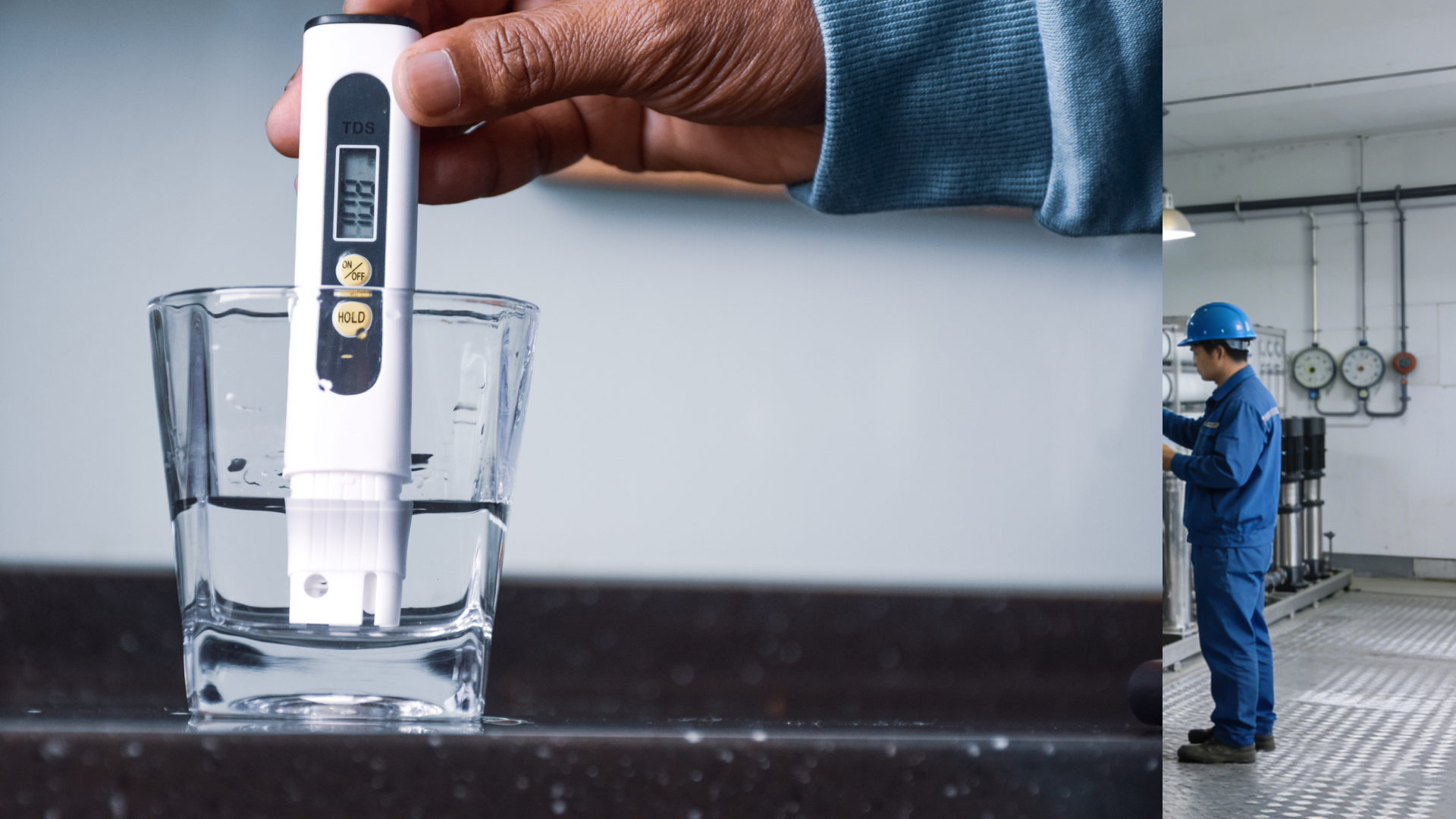
Water is essential to nearly every industrial process, but the quality of that water can have a significant impact on operational efficiency, equipment performance, and long term maintenance costs. One of the most important indicators of water quality is Total Dissolved Solids (TDS).
Whether a facility operates boilers, cooling towers, reverse osmosis systems, manufacturing lines, or wastewater treatment systems, monitoring and managing TDS is critical for maintaining reliable operations. High or inconsistent TDS levels can contribute to scaling, corrosion, membrane fouling, reduced treatment efficiency, and increased operating expenses.
Understanding what TDS is, how it affects industrial systems, and how it can be controlled enables facility managers, engineers, and plant operators to make informed decisions that improve productivity while supporting sustainable water management.
What Is Total Dissolved Solids (TDS)?
Total Dissolved Solids (TDS) refers to the total concentration of dissolved inorganic and organic substances present in water. These substances are small enough to pass through standard filtration and remain dissolved rather than settling at the bottom.
TDS is typically measured in milligrams per liter (mg/L) or parts per million (ppm).
Common dissolved substances include:
Calcium
Magnesium
Sodium
Potassium
Chlorides
Sulfates
Bicarbonates
Silica
Nitrates
Trace metals
While some dissolved minerals occur naturally, others may enter water through industrial processes, municipal treatment systems, groundwater, or environmental sources.
Why TDS Matters in Industrial Water Systems
TDS is more than just a laboratory measurement. It directly influences the performance of industrial water treatment systems and why water quality compliance matters across many critical industrial processes.
High TDS levels can affect:
Boiler efficiency
Cooling tower performance
Reverse osmosis systems
Heat exchangers
Industrial wastewater treatment
Equipment lifespan
Maintaining appropriate TDS levels helps facilities improve efficiency, reduce maintenance, and support regulatory compliance.
How Does TDS Affect Industrial Equipment?
Scale Formation
High concentrations of dissolved minerals increase the likelihood of scale formation. Scale can develop inside:
Boilers
Heat exchangers
Cooling towers
Pipes
Valves
Mineral deposits reduce heat transfer efficiency and increase energy consumption. Even relatively thin layers of scale can significantly affect system performance over time.
Corrosion
Although scale is commonly associated with high TDS, improper dissolved solids levels can also contribute to corrosion under certain operating conditions. Corrosion may lead to:
Pipe deterioration
Equipment failures
Leaks
Increased maintenance costs
Production interruptions
Maintaining balanced water chemistry is essential for protecting industrial assets.
Membrane Fouling
Reverse osmosis systems and ultrafiltration systems rely on membrane performance. Elevated TDS can increase:
Membrane scaling
Fouling
Cleaning frequency
Operating pressure
Energy consumption
Proper pretreatment and TDS control help extend membrane life and improve water purification efficiency.
Reduced Cooling System Performance
Cooling towers continuously concentrate dissolved solids as water evaporates. Without proper monitoring, elevated TDS may result in:
Reduced heat transfer
Increased scaling
Higher blowdown rates
Greater water consumption
Effective cooling tower water treatment helps maintain efficient operation while reducing freshwater demand.
Common Sources of High TDS
Several factors can contribute to elevated TDS in industrial water systems. These include:
Groundwater with naturally high mineral content
Municipal water supplies
Industrial process chemicals
Cooling tower concentration
Boiler evaporation
Wastewater recycling streams
Seawater or brackish water
Process contamination
Understanding the source of dissolved solids helps determine how to choose the right industrial water treatment system.
How Is TDS Measured?
TDS can be measured using laboratory analysis or field instruments. Common measurement methods include:
Conductivity Monitoring
Electrical conductivity is widely used as a rapid indicator of dissolved ionic content. Because conductivity increases as dissolved solids increase, many smart water management systems estimate TDS using conductivity sensors. Continuous conductivity monitoring provides operators with real time information about changing water quality.
Laboratory Testing
Laboratory analysis provides highly accurate TDS measurements and may also identify individual dissolved constituents. Laboratory testing is often used to:
Verify field measurements
Support regulatory reporting
Evaluate treatment performance
Develop treatment strategies
Ideal TDS Levels for Industrial Applications
There is no universal TDS level suitable for every industrial application. Acceptable levels depend on factors such as process requirements, equipment design, water source, regulatory standards, and product quality specifications.
Boiler Feed Water
Boilers generally require low TDS water to minimize scaling and improve steam quality. Effective boiler feed water treatment incorporating reverse osmosis systems and water softening are commonly used before boiler feed water enters the system.
Cooling Towers
Cooling towers can tolerate higher TDS than boilers, but excessive concentrations increase scaling and corrosion risks. Carefully controlled blowdown helps maintain acceptable TDS levels.
Process Water
Manufacturing processes often require consistent water quality to ensure reliable production and product quality. Some industries demand very low TDS water, while others can operate successfully with higher concentrations.
Wastewater Reuse
When treated wastewater will be reused, controlling TDS becomes increasingly important to protect downstream equipment and support industrial water reuse.
Technologies Used to Control TDS
Reverse Osmosis Systems
A reverse osmosis system is one of the most effective technologies for reducing dissolved solids. RO water treatment removes:
Dissolved salts
Minerals
Heavy metals
Organic compounds
Other dissolved contaminants
Industrial RO plants are widely used to produce high quality process water.
Water Softening Systems
Water softening systems remove hardness minerals such as calcium and magnesium. Although softening does not significantly reduce overall TDS, it reduces scaling potential and improves the performance of downstream treatment systems.
Ultrafiltration Systems
Ultrafiltration systems primarily remove suspended solids and microorganisms. They are often used before reverse osmosis systems to improve membrane performance and prevent fouling.
Desalination Systems
Facilities using seawater or brackish water rely on desalination systems to reduce extremely high dissolved solids concentrations. These systems play an increasingly important role in regions facing water scarcity.
Water Recycling Systems
Modern water recycling systems combine multiple advanced water treatment technologies to produce reclaimed water suitable for industrial reuse. Proper TDS management is essential for successful wastewater recycling.
TDS and Industrial Wastewater Treatment
Industrial wastewater often contains elevated dissolved solids generated by manufacturing processes, chemical usage, and production operations. Monitoring TDS alongside other key parameters in industrial wastewater treatment supports:
Wastewater compliance and environmental compliance
Water recycling
Sustainable water management
Facilities pursuing industrial water reuse typically require advanced treatment processes to reduce dissolved solids before reclaimed water can be reused.
Best Practices for Managing TDS
Conduct Routine Water Testing
Regular monitoring helps identify changing water quality before operational problems develop. Important parameters to evaluate alongside TDS include pH, conductivity, hardness, silica, chlorides, sulfates, and temperature.
Optimize Pretreatment
Effective pretreatment protects downstream equipment and improves treatment efficiency. Pretreatment may include:
Water softening
Chemical conditioning
Ultrafiltration systems
Monitor Reverse Osmosis Performance
Tracking membrane rejection rates, pressure, and conductivity helps ensure reverse osmosis systems continue removing dissolved solids efficiently.
Control Cooling Tower Blowdown
Proper blowdown management prevents excessive dissolved solids accumulation while minimizing unnecessary water loss, helping plants reduce water consumption in manufacturing facilities.
Use Smart Water Monitoring
Digital platforms and how smart monitoring improves wastewater operations provide continuous visibility into TDS trends, allowing operators to respond quickly to changing conditions.
Common Mistakes to Avoid
Monitoring Only TDS: TDS should always be evaluated together with other important water quality parameters such as pH, hardness, and conductivity to avoid common mistakes in wastewater management.
Ignoring Changes in Source Water: Seasonal or operational changes in water quality may require treatment adjustments or a water treatment upgrade.
Delaying Membrane Maintenance: Poorly maintained reverse osmosis systems gradually lose their ability to remove dissolved solids efficiently.
Assuming All Applications Require the Same TDS: Each industrial process has unique water quality requirements. Treatment systems should be designed around operational needs rather than using a standard target value.
Overlooking Water Reuse Opportunities: Advanced treatment technologies can often reduce TDS sufficiently to support industrial water reuse and wastewater recycling.
Future Trends in TDS Management
Smart Water Management: Digital monitoring systems continue to improve visibility into water quality through continuous conductivity and TDS measurement.
Artificial Intelligence: AI-driven analytics help predict changes in water quality and optimize treatment performance.
Advanced Membrane Technologies: New membrane materials continue to improve dissolved solids removal while reducing energy consumption.
Increased Water Recycling: As industries focus on sustainability, managing TDS will become even more important for the future of water reuse technologies.
Sustainable Water Infrastructure: Modern industrial facilities are investing in integrated water treatment solutions that improve efficiency while conserving valuable water resources.
Frequently Asked Questions
What does Total Dissolved Solids (TDS) measure?
TDS measures the total concentration of dissolved minerals, salts, metals, and organic substances present in water.
Why is high TDS a problem in industrial systems?
High TDS can contribute to scaling, corrosion, membrane fouling, reduced heat transfer, increased maintenance, and lower operational efficiency.
Does water softening reduce TDS?
Water softening removes hardness minerals that cause scale but does not significantly reduce the overall concentration of dissolved solids. Reverse osmosis is generally required when substantial TDS reduction is needed.
How is TDS monitored?
TDS is commonly monitored using conductivity sensors for continuous measurement and laboratory analysis for detailed verification.
Why is TDS important for water recycling?
Controlling TDS helps ensure reclaimed water meets quality requirements for industrial reuse, protects equipment, and supports efficient wastewater recycling.
Conclusion
Total Dissolved Solids (TDS) is one of the most important indicators of water quality in industrial operations. From boilers and cooling towers to reverse osmosis systems and wastewater treatment plants, maintaining appropriate TDS levels helps protect equipment, improve efficiency, reduce operating costs, and support long-term sustainability.
By combining routine monitoring with advanced water treatment solutions such as filtration systems, reverse osmosis systems, water softening, ultrafiltration, smart water management, and water recycling technologies, industries can maintain consistent water quality while improving operational performance.
At H4 Waterworks, we deliver customized industrial water treatment services and wastewater management solutions that help facilities control TDS, optimize water quality, and build resilient, sustainable water infrastructure. Whether you need reverse osmosis systems, industrial filtration, water recycling solutions, or complete treatment plant solutions, our technical experts can develop a strategy tailored to your facility's specific requirements.
Ready to improve your industrial water quality and optimize TDS management? Contact H4 Waterworks today to request a consultation, explore our industrial water treatment services, and speak with our technical experts about a customized solution for your facility.