
The Importance of Water Audits for Industrial Facilities
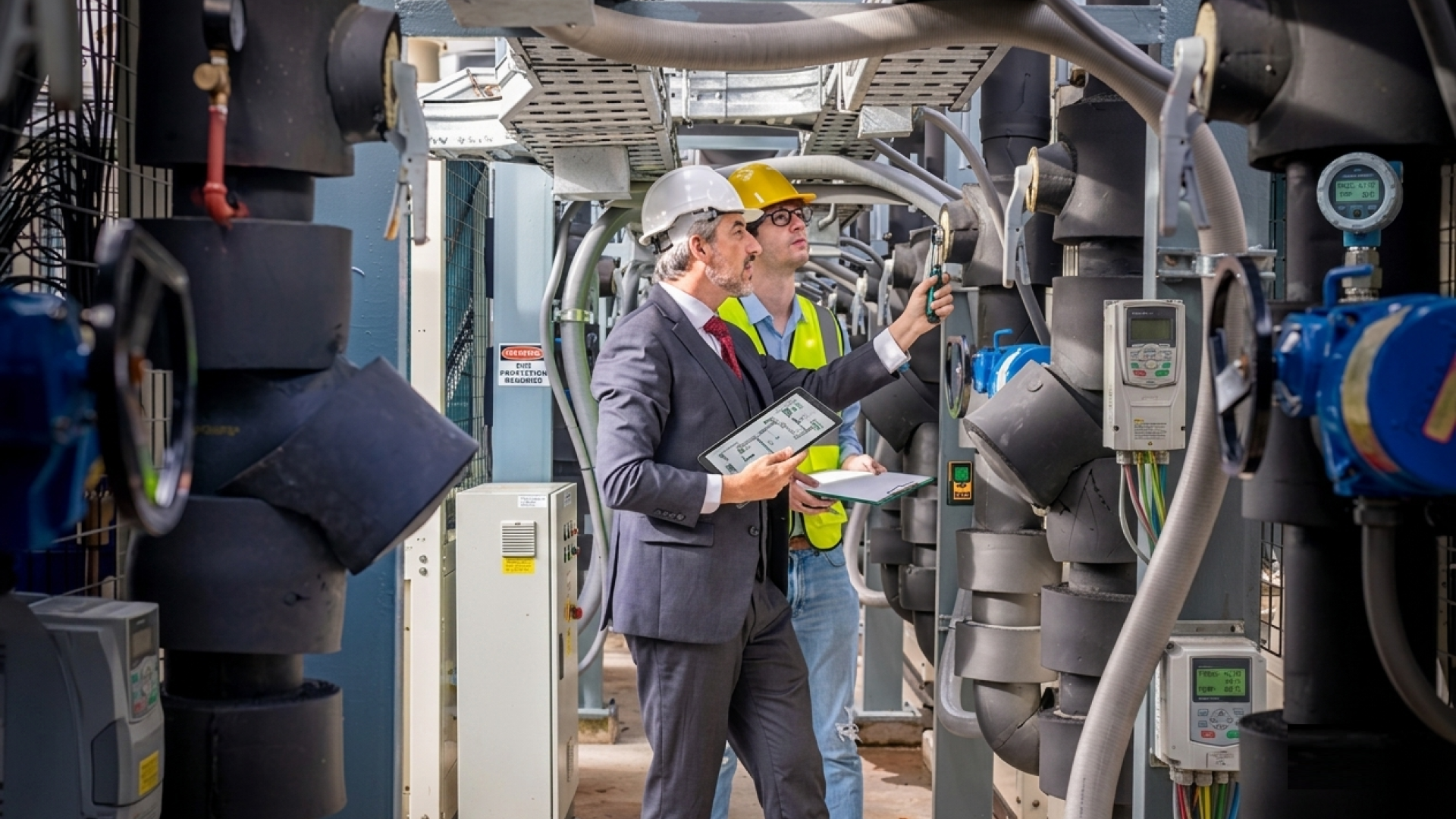
Water is one of the most valuable resources in industrial operations. It powers manufacturing processes, supports cooling systems, generates steam, enables cleaning, and plays a critical role in wastewater management. Yet, many facilities do not have a complete understanding of how water moves through their operations or where unnecessary losses occur.
A water audit provides that insight. It helps industrial facilities identify inefficiencies, reduce water consumption, lower operating costs, improve regulatory compliance, and strengthen long term sustainability initiatives. As water scarcity, environmental regulations, and utility costs continue to shape industrial operations, conducting regular water audits has become an essential part of effective water management.
Whether your facility operates in manufacturing, power generation, food processing, pharmaceuticals, mining, or commercial infrastructure, a comprehensive water audit can uncover opportunities to improve performance while supporting sustainable growth.
What Is a Water Audit?
A water audit is a systematic assessment of how water enters, moves through, and exits an industrial facility. It examines water sources, usage patterns, treatment processes, wastewater generation, and opportunities for conservation and reuse.
The goal is to develop a clear understanding of water consumption and identify practical ways to improve efficiency without compromising production or operational reliability.
A comprehensive audit typically evaluates:
Water sources
Water consumption by process
Equipment performance
Cooling systems
Boiler operations
Wastewater treatment systems
Water recycling opportunities
Leak detection
Utility water management
The findings help facilities develop strategies that improve both operational efficiency and environmental performance.
Why Water Audits Matter for Industrial Facilities
Water usage directly affects production costs, equipment performance, environmental compliance, and business continuity.
Without accurate data, facilities may unknowingly experience:
Excessive water consumption
Hidden leaks
Inefficient equipment
High wastewater volumes
Increased energy costs
Poor treatment performance
Missed water reuse opportunities
A water audit provides measurable information that supports better operational decisions and long term planning.
Benefits of Conducting a Water Audit
Reduce Water Consumption
One of the primary objectives of a water audit is identifying unnecessary water use.
Facilities often discover opportunities to reduce consumption by:
Eliminating leaks
Optimizing cleaning procedures
Improving cooling tower efficiency
Reducing boiler blowdown
Upgrading outdated equipment
Lower water consumption reduces utility costs while conserving valuable natural resources.
Lower Operating Costs
Reducing water use also lowers expenses related to:
Water procurement
Energy consumption
Wastewater treatment
Chemical usage
Equipment maintenance
Efficient water management often delivers measurable financial savings over the life of the facility.
Improve Industrial Water Treatment Performance
Water audits evaluate how well existing industrial water treatment systems support operational needs.
This includes reviewing:
Filtration systems
Ultrafiltration systems
Chemical treatment programs
Optimizing treatment performance improves water quality while reducing operating costs.
Strengthen Wastewater Management
Every gallon of water entering a facility eventually becomes wastewater, evaporates, or is incorporated into products.
A water audit helps optimize:
Effluent treatment plant performance
Sewage treatment plant operations
Reducing wastewater volumes lowers treatment costs and supports environmental compliance.
Support Sustainable Water Management
Many organizations have established sustainability goals focused on reducing water consumption and improving resource efficiency.
Water audits provide measurable data that supports:
Water conservation technologies
Environmental sustainability
Sustainable infrastructure planning
Key Areas Evaluated During a Water Audit
Water Sources
Understanding where water originates is the first step.
Common sources include:
Municipal water supplies
Groundwater
Surface water
Reclaimed water
Each source has unique quality characteristics that influence treatment requirements.
Process Water Usage
Audits identify how water is used throughout production.
Typical applications include:
Equipment washing
Product rinsing
Chemical processing
Utility operations
Evaluating process water use often reveals opportunities to improve efficiency.
Boiler Feed Water Systems
Boilers represent a significant water consumer in many industrial facilities.
Water audits assess:
Boiler feed water quality
Blowdown practices
Reverse osmosis system performance
Water softening efficiency
Heat recovery opportunities
Improving boiler operations can reduce both water and energy consumption.
Cooling Tower Performance
Cooling towers account for substantial industrial water use.
Audits examine:
Blowdown rates
Evaporation losses
Scale control
Corrosion management
Water chemistry
Make up water requirements
Optimized cooling tower management improves efficiency while reducing freshwater demand.
Wastewater Generation
Understanding wastewater characteristics supports more effective treatment and reuse.
Audits evaluate:
Wastewater volumes
Flow patterns
Contaminant levels
Treatment efficiency
Reuse opportunities
Facilities often discover valuable opportunities for wastewater recycling.
Water Quality Parameters Reviewed During an Audit
A successful audit includes detailed water quality analysis.
Important parameters include:
pH
Total Dissolved Solids (TDS)
Conductivity
Hardness
Turbidity
Biological Oxygen Demand (BOD)
Chemical Oxygen Demand (COD)
Total Suspended Solids (TSS)
Dissolved oxygen
Temperature
Monitoring these parameters helps optimize treatment processes and maintain water quality compliance.
Technologies That Improve Water Efficiency
Reverse Osmosis Systems
Reverse osmosis systems produce high quality water by removing dissolved salts and contaminants.
RO water treatment supports:
Boiler feed water
Process water
Industrial water reuse
Water recycling systems
Ultrafiltration Systems
Ultrafiltration systems remove suspended solids and microorganisms, improving water quality before advanced water treatment technologies.
Industrial Filtration Systems
Industrial filtration systems protect downstream equipment by removing sediment and suspended particles.
Effective pretreatment improves overall treatment efficiency.
Smart Water Monitoring
Smart water management technologies provide continuous visibility into:
Water consumption
Flow rates
Pressure
Conductivity
TDS
Leak detection
Smart monitoring enables faster decision making and improved operational control.
Treatment Plant Automation
Automated water treatment plants help optimize water treatment processes through:
Continuous monitoring
Automatic chemical dosing
Flow control
Performance reporting
Predictive maintenance
Common Issues Discovered During Water Audits
Many facilities identify similar challenges during comprehensive water assessments.
These include:
Undetected Water Leaks
Small leaks may continue unnoticed for months, increasing both water consumption and operating costs.
Excessive Blowdown
Improper blowdown practices in boilers and cooling towers waste significant amounts of water.
Outdated Equipment
Older treatment technologies often consume more water, chemicals, and energy than modern systems, signaling a need for a water treatment upgrade.
Poor Water Reuse Practices
Many facilities discharge water that could be reclaimed for secondary applications.
Inadequate Monitoring
Without reliable data, operators may struggle to identify inefficiencies or optimize treatment performance.
Best Practices for Conducting a Water Audit
Establish Clear Objectives
Determine whether the audit focuses on:
Water conservation
Regulatory compliance
Cost reduction
Sustainability
Equipment optimization
Clearly defined goals improve audit effectiveness.
Collect Accurate Data
Gather information on:
Water consumption
Flow rates
Utility bills
Equipment performance
Water quality
Wastewater generation
Reliable data leads to better recommendations.
Involve Multiple Departments
Operations, maintenance, engineering, environmental teams, and facility managers all contribute valuable insights during a water audit.
A collaborative approach often identifies opportunities that individual departments may overlook.
Prioritize High Impact Improvements
Not every recommendation requires major capital investment.
Facilities should first implement improvements that provide the greatest operational and financial benefits.
Conduct Audits Regularly
Water usage changes as production expands, equipment ages, and operational priorities evolve.
Routine audits help ensure water management strategies remain effective over time.
Common Mistakes to Avoid
Treating Water Audits as a One Time Activity
Water management should be an ongoing process rather than a single project.
Ignoring Supporting Systems
Boilers, cooling towers, and utility systems often offer the greatest conservation opportunities.
Focusing Only on Water Costs
Water use also affects energy consumption, maintenance expenses, chemical usage, and wastewater treatment.
Delaying Equipment Upgrades
Modern treatment technologies often deliver significant efficiency improvements.
Overlooking Water Recycling
Reusing treated water can substantially reduce freshwater demand and wastewater discharge volumes.
Future Trends in Industrial Water Audits
Smart Water Management
Digital monitoring platforms continue to improve visibility into facility wide water use.
Artificial Intelligence
AI driven analytics help identify inefficiencies, predict equipment performance, and optimize treatment processes.
Digital Water Mapping
Advanced software creates detailed models of water movement throughout industrial facilities, making it easier to identify losses and prioritize improvements.
Increased Industrial Water Reuse
As freshwater resources become more constrained, water audits will increasingly focus on wastewater recycling and industrial water reuse opportunities, including zero liquid discharge systems.
Sustainable Water Infrastructure
Organizations continue investing in advanced water treatment solutions that support long term resilience, operational efficiency, and sustainable water management.
Frequently Asked Questions
What is the purpose of a water audit?
A water audit evaluates how water is used throughout an industrial facility to identify opportunities for improved efficiency, reduced consumption, cost savings, and enhanced sustainability.
How often should industrial facilities conduct a water audit?
Many facilities benefit from conducting comprehensive water audits annually or whenever significant operational changes, equipment upgrades, or production expansions occur.
Can a water audit reduce operating costs?
Yes. Water audits often identify opportunities to lower water use, reduce energy consumption, improve treatment efficiency, minimize wastewater generation, and decrease maintenance expenses.
What systems are typically reviewed during a water audit?
A comprehensive audit typically evaluates industrial water treatment systems, reverse osmosis systems, filtration systems, cooling towers, boilers, wastewater treatment systems, water recycling systems, and utility water management.
Why is water reuse included in a water audit?
Water reuse helps reduce freshwater demand, lowers wastewater discharge, supports sustainability initiatives, and improves long term operational resilience.
Conclusion
A water audit is one of the most valuable tools available for improving industrial water management. By evaluating water use across production processes, treatment systems, cooling towers, boilers, and wastewater operations, facilities gain the insight needed to reduce consumption, lower operating costs, improve compliance, and strengthen sustainability efforts.
Combined with advanced water treatment solutions such as reverse osmosis systems, filtration systems, wastewater treatment systems, smart water monitoring, and water recycling technologies, regular water audits help organizations build more efficient, resilient, and environmentally responsible operations.
At H4 Waterworks, we specialize in customized industrial water treatment and wastewater management solutions that help facilities optimize water use from source to discharge. Our team works with manufacturers, municipalities, commercial facilities, and infrastructure developers to improve treatment performance, increase water reuse, and support sustainable water management through tailored engineering solutions.
Ready to uncover new opportunities for water savings and operational efficiency? Contact H4 Waterworks today to request a consultation, explore our industrial water treatment services, and speak with our technical experts about conducting a comprehensive water management assessment for your facility.