How Automation Is Improving Industrial Water Treatment Efficiency
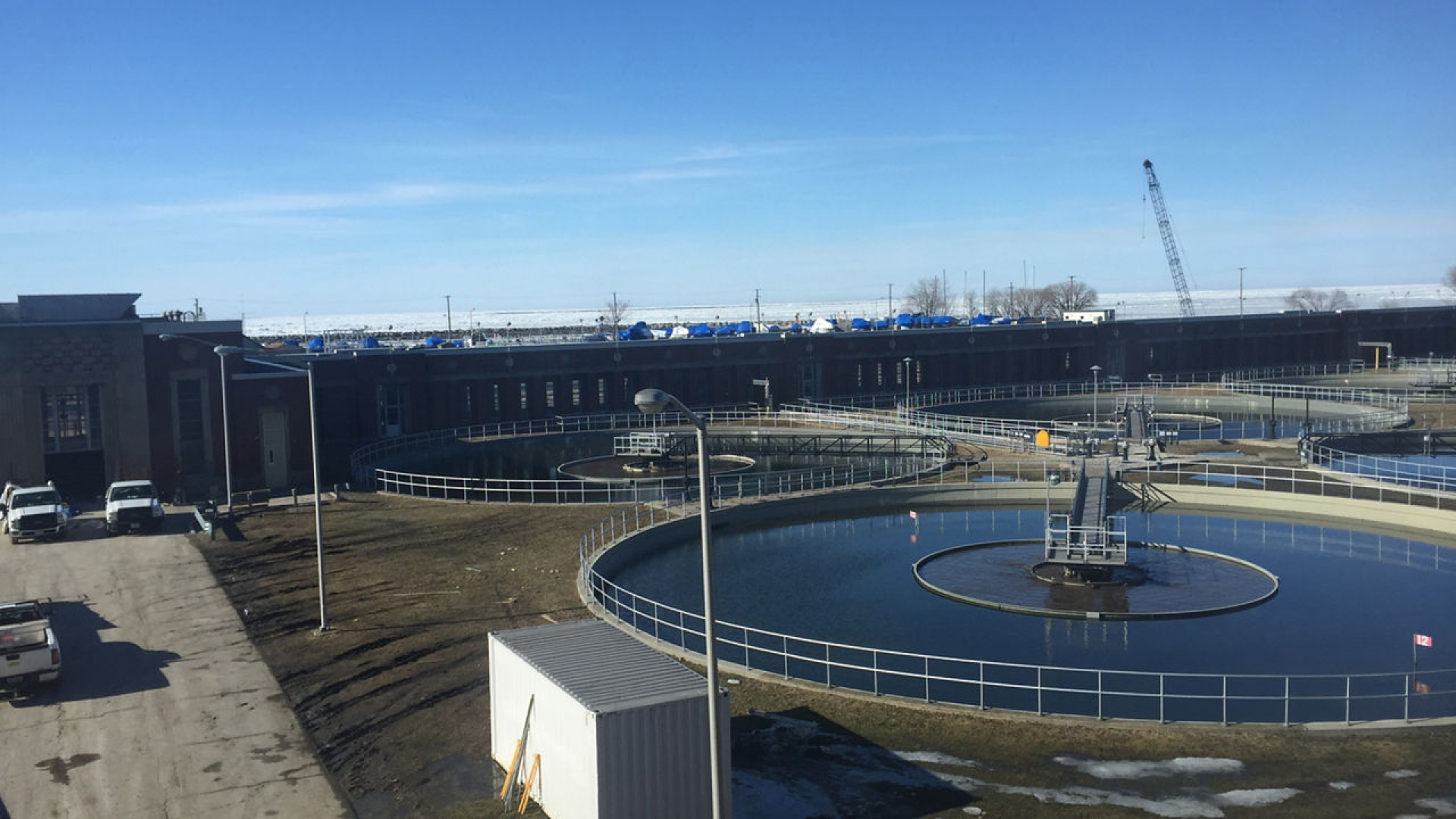
Industrial water treatment has become increasingly complex as industries strive to improve efficiency, reduce operating costs, comply with stricter environmental regulations, and meet ambitious sustainability goals. Traditional treatment systems often rely on manual inspections, scheduled testing, and operator adjustments, which can make it difficult to respond quickly to changing water conditions.
Automation is changing this approach. Modern industrial water treatment systems use intelligent controls, sensors, real time monitoring, and data driven decision making to optimize performance around the clock. These technologies enable facilities to maintain consistent water quality, reduce resource consumption, and improve the reliability of critical infrastructure.
Whether managing process water, boiler feed water, cooling towers, industrial wastewater treatment, or water recycling systems, automation is helping organizations achieve higher operational efficiency while supporting long term sustainable water management.
Why Automation Matters in Industrial Water Treatment
Industrial facilities depend on consistent water quality to keep production running smoothly. Even small variations in water chemistry or equipment performance can affect energy efficiency, product quality, equipment lifespan, and regulatory compliance.
Manual system management often presents several challenges, including:
Delayed response to changing water conditions
Inconsistent chemical dosing
Limited visibility into system performance
Higher maintenance requirements
Increased water and energy consumption
Greater risk of equipment failures
Automation addresses these challenges by continuously monitoring system performance and making precise adjustments when needed.
What Is Water Treatment Automation?
Water treatment automation refers to the use of digital technologies that monitor, control, and optimize industrial water treatment processes with minimal manual intervention.
A modern automated system typically integrates:
Treatment plant automation
Digital sensors
Programmable logic controllers (PLCs)
Remote monitoring platforms
Automated chemical dosing
Data analytics
Alarm and notification systems
Together, these technologies improve operational accuracy while helping facilities make informed decisions based on real time data.
How Automated Water Treatment Systems Work
Automation continuously collects information from multiple sensors installed throughout the treatment process.
These sensors monitor parameters such as:
Flow rate
pH
Conductivity
Pressure
Temperature
Dissolved oxygen
Turbidity
Chemical dosing rates
Tank levels
The automation system analyzes this information and automatically adjusts pumps, valves, dosing equipment, and treatment processes to maintain optimal operating conditions.
This continuous feedback loop helps maintain stable water quality without requiring constant manual adjustments.
Key Benefits of Automation in Industrial Water Treatment
Improved Water Quality Consistency
Automated systems respond immediately to changes in water conditions.
This helps maintain stable water quality by reducing fluctuations that may affect:
Production processes
Boiler performance
Cooling systems
Industrial wastewater treatment
Water recycling systems
Consistent water quality supports reliable plant operations and improves overall process efficiency.
Reduced Chemical Consumption
Chemical treatment is essential for many industrial water treatment applications, including corrosion control, scale prevention, pH adjustment, and biological treatment.
Automation improves dosing accuracy by delivering chemicals only when needed.
This helps facilities:
Reduce chemical waste
Lower operating costs
Improve treatment efficiency
Minimize environmental impact
Better Equipment Protection
Water quality directly affects equipment performance.
Automated monitoring helps protect:
Pumps
Heat exchangers
Cooling towers
Boilers
Industrial piping
Early detection of changing conditions reduces the likelihood of scaling, corrosion, and equipment failures.
Lower Operating Costs
Automation helps reduce expenses through:
Improved energy efficiency
Reduced water consumption
Lower maintenance costs
Optimized chemical use
Fewer emergency repairs
Less unplanned downtime
Over time, these operational improvements often provide significant financial benefits.
Increased Regulatory Compliance
Environmental regulations require facilities to maintain consistent water quality and meet wastewater discharge standards.
Automated systems help support compliance by:
Continuously monitoring treatment performance
Recording operational data
Generating compliance reports
Providing alerts when parameters move outside target ranges
Accurate documentation simplifies reporting and improves operational accountability.
Applications of Automation Across Industrial Water Treatment
Boiler Feed Water Treatment
Boiler performance depends on consistent feed water quality.
Automation helps control:
TDS
Conductivity
Chemical dosing
Blowdown
Water softening performance
Reverse osmosis system operation
Automated control improves energy efficiency while reducing scale formation and corrosion.
Cooling Tower Water Treatment
Cooling towers require continuous monitoring to maintain proper water chemistry.
Automation supports:
Blowdown control
Corrosion prevention
Scale management
Biological control
Water conservation
Smart monitoring helps optimize cooling tower performance while reducing make up water requirements.
Reverse Osmosis Systems
Reverse osmosis systems benefit from continuous monitoring of:
Membrane pressure
Flow rates
Conductivity
Salt rejection
Recovery rates
Automation identifies membrane fouling early, allowing operators to schedule maintenance before performance declines significantly.
Wastewater Treatment Systems
Industrial wastewater treatment systems often experience changing flow rates and contaminant concentrations.
Automation improves:
Biological treatment
Aeration control
Chemical dosing
Sludge management
Effluent quality
These improvements support wastewater compliance and increase opportunities for wastewater recycling.
Water Recycling Systems
Automated monitoring helps ensure reclaimed water consistently meets quality requirements for industrial water reuse.
This supports:
Sustainable water management
Lower wastewater discharge
Improved operational resilience
Technologies Driving Water Treatment Automation
Smart Water Monitoring
Smart water management platforms continuously collect operational data from sensors throughout the treatment process.
Operators can monitor:
Water quality
Equipment performance
Flow trends
Water consumption
System efficiency
Real time visibility enables faster decision making and improved process control.
Programmable Logic Controllers (PLCs)
PLCs coordinate equipment operation by controlling:
Pumps
Valves
Chemical dosing systems
Filtration cycles
Alarm responses
They form the backbone of many automated treatment systems.
Remote Monitoring
Cloud connected systems allow operators to review treatment performance from virtually any location.
Remote access helps maintenance teams respond quickly to operational issues while reducing site visits.
Automated Chemical Dosing
Rather than relying on fixed dosing schedules, automated systems adjust chemical feed based on actual water quality measurements.
This improves treatment consistency while reducing unnecessary chemical use.
Treatment Plant Automation
Integrated automation platforms coordinate multiple treatment technologies, including:
Filtration systems
Reverse osmosis systems
Ultrafiltration systems
Centralized control improves efficiency across the entire treatment process.
Common Challenges That Automation Helps Solve
Inconsistent Water Quality
Continuous monitoring allows systems to respond immediately to changing conditions.
High Maintenance Costs
Early detection of equipment issues reduces unexpected failures and supports preventive maintenance.
Excessive Water Consumption
Automation optimizes water use by improving process control and reducing unnecessary losses.
Chemical Waste
Precise dosing minimizes overfeeding while maintaining treatment performance.
Limited Operational Visibility
Digital dashboards provide operators with comprehensive insights into treatment system performance.
Best Practices for Implementing Water Treatment Automation
Evaluate Existing Systems
Review current equipment, treatment processes, and monitoring capabilities before selecting automation technologies.
Prioritize High Impact Areas
Automation often provides the greatest value in systems with high water consumption or critical operational importance, such as boilers, cooling towers, reverse osmosis systems, and wastewater treatment facilities.
Integrate Water Quality Monitoring
Automation is most effective when paired with continuous monitoring of key parameters, including:
pH
Conductivity
TDS
Flow
Temperature
Dissolved oxygen
Turbidity
Reliable data leads to better operational decisions.
Train Operations Personnel
Even highly automated systems require knowledgeable operators who understand system performance, alarm responses, and maintenance procedures.
Schedule Preventive Maintenance
Automation improves reliability but does not eliminate the need for routine inspection, calibration, and preventive maintenance.
Common Mistakes to Avoid
Automating Without Reliable Data
Poor sensor quality or improperly calibrated instruments can reduce automation effectiveness.
Ignoring Operator Training
Successful automation depends on personnel understanding how systems function and how to respond to alerts.
Delaying Software Updates
Keeping automation software current improves cybersecurity, reliability, and system performance.
Overlooking Preventive Maintenance
Automated equipment still requires regular servicing to maintain long term reliability.
Treating Automation as a Standalone Solution
Automation delivers the best results when combined with properly designed industrial water treatment systems, regular water quality testing, and effective operational practices.
Future Trends in Industrial Water Treatment Automation
Artificial Intelligence
AI powered systems are beginning to analyze operational data, predict equipment failures, and recommend process adjustments before problems occur.
Predictive Maintenance
Instead of relying solely on scheduled maintenance, predictive maintenance uses equipment data to identify developing issues before failures happen.
Digital Twin Technology
Digital twins create virtual models of treatment systems that allow engineers to simulate operating conditions and optimize performance without disrupting production.
Advanced Data Analytics
Facilities are increasingly using historical data to identify trends, improve treatment efficiency, and reduce resource consumption.
Sustainable Water Infrastructure
Automation will continue to play a key role in supporting water conservation, industrial water reuse, wastewater recycling, and long term environmental sustainability.
Frequently Asked Questions
What is industrial water treatment automation?
Industrial water treatment automation uses sensors, digital controls, software, and monitoring systems to automatically manage water treatment processes, improve efficiency, and maintain consistent water quality.
How does automation improve water treatment efficiency?
Automation continuously monitors water quality, adjusts treatment processes in real time, reduces chemical waste, lowers energy consumption, and improves equipment performance.
Can automation reduce operating costs?
Yes. Automated systems help reduce water consumption, chemical use, maintenance expenses, energy costs, and unexpected equipment failures.
Which water treatment systems benefit most from automation?
Boiler feed water systems, cooling towers, reverse osmosis systems, industrial wastewater treatment systems, water recycling systems, and utility water management operations all benefit from automated monitoring and control.
Does automation replace plant operators?
No. Automation supports operators by improving monitoring, reducing repetitive manual tasks, and providing better operational data. Skilled personnel remain essential for maintenance, troubleshooting, and strategic decision making.
Conclusion
Automation is transforming industrial water treatment by making systems more efficient, reliable, and responsive. Through smart monitoring, automated chemical dosing, real time data analysis, and integrated treatment plant controls, facilities can improve water quality, reduce operating costs, minimize downtime, and support long term sustainability.
As industries continue to prioritize operational efficiency and responsible resource management, automation will play an increasingly important role in optimizing industrial water treatment, wastewater management, and water recycling systems.
At H4 Waterworks, we provide customized industrial water treatment and wastewater management solutions that incorporate advanced automation, smart water monitoring, and modern treatment technologies. Whether your facility is upgrading an existing system or developing a new water infrastructure project, our technical experts can design solutions that improve performance, support compliance, and maximize long term value.
Ready to modernize your industrial water treatment operations? Contact H4 Waterworks today to request a consultation, explore our water and wastewater treatment services, and speak with our technical experts about automation solutions tailored to your facility.