Industrial Water Treatment Solutions for the Pharmaceutical Industry
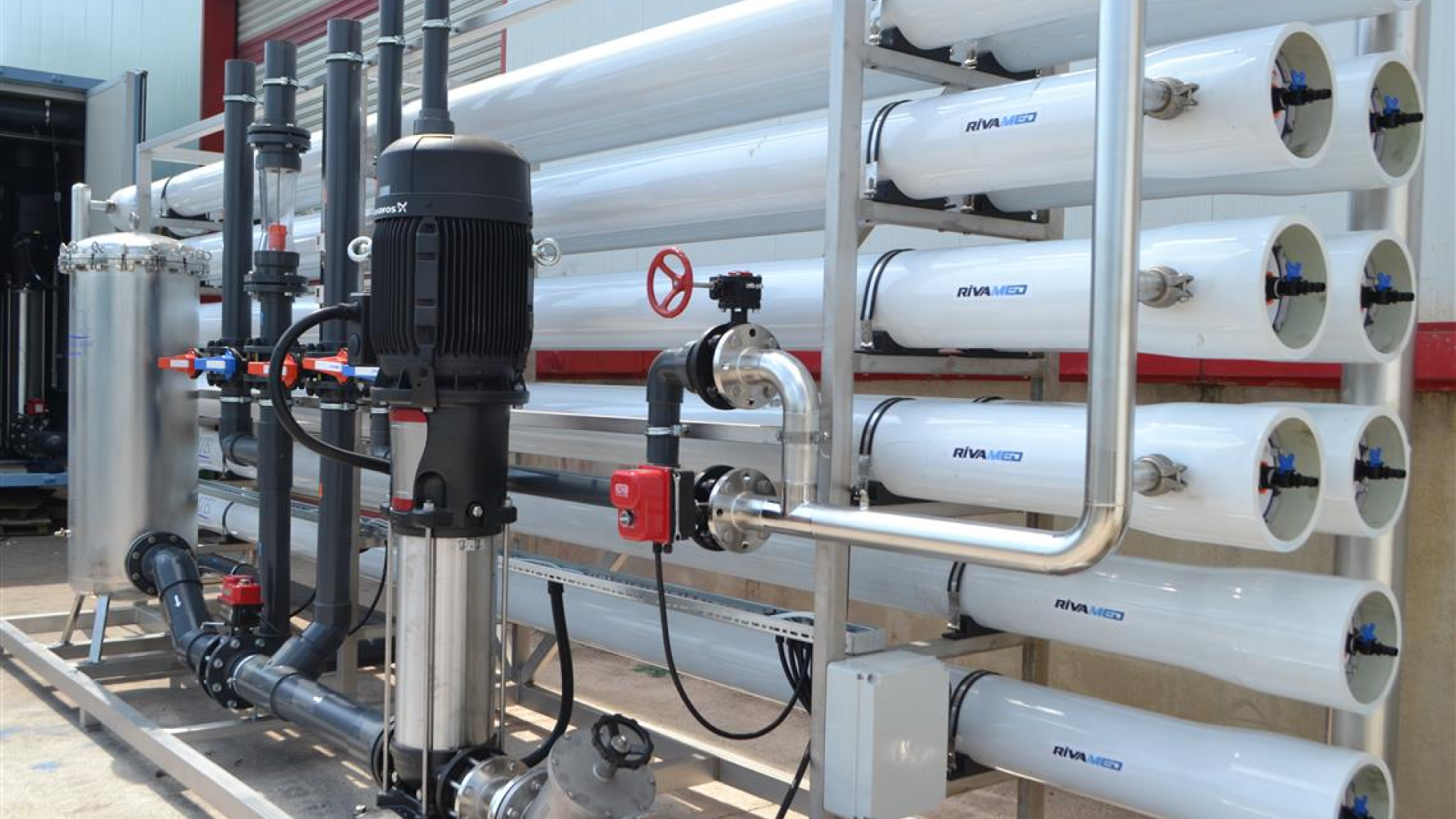
Water is one of the most critical raw materials used in pharmaceutical manufacturing. It plays an essential role in product formulation, equipment cleaning, steam generation, laboratory testing, heating and cooling systems, and facility sanitation. Because water comes into direct or indirect contact with products, equipment, and manufacturing environments, maintaining consistent water quality is fundamental to product safety, operational efficiency, and regulatory compliance.
Pharmaceutical facilities cannot rely on standard water treatment methods alone. They require carefully designed industrial water treatment solutions that produce reliable water quality while supporting production efficiency, environmental responsibility, and long term operational performance.
From process water and purified water production to wastewater treatment systems and water recycling technologies, every stage of water management contributes to the success of pharmaceutical manufacturing operations.
Why Water Quality Is Critical in Pharmaceutical Manufacturing
Water quality directly affects product consistency, manufacturing efficiency, equipment reliability, and regulatory performance.
Poor water quality can contribute to:
Product contamination risks
Equipment scaling and corrosion
Production interruptions
Higher maintenance costs
Increased water and energy consumption
Wastewater compliance challenges
Reduced equipment lifespan
An effective industrial water treatment strategy helps minimize these risks while ensuring dependable operations throughout the facility.
What Are Industrial Water Treatment Solutions?
Industrial water treatment solutions are engineered systems that improve water quality for industrial applications by removing physical, chemical, and biological contaminants.
For pharmaceutical facilities, these solutions may support:
Process water treatment
Boiler feed water preparation
Water purification systems
Industrial wastewater treatment
Water recycling systems
Utility water management
Each solution is designed according to the facility's production processes, water source, operational requirements, and applicable regulatory standards.
Water Applications in Pharmaceutical Facilities
Pharmaceutical plants use water in a wide range of operations beyond product manufacturing.
Common applications include:
Process water
Equipment cleaning
Clean in Place (CIP) systems
Steam generation
Cooling towers
Heating systems
Laboratory operations
Utility services
Facility sanitation
Landscape irrigation using reclaimed water where appropriate
Each application may require different water quality characteristics, making a comprehensive treatment approach essential.
Challenges Facing Pharmaceutical Water Systems
Water treatment systems in pharmaceutical facilities must address several operational challenges.
Variable Source Water Quality
Municipal supplies, groundwater, and other water sources often contain varying concentrations of dissolved minerals, suspended solids, and organic matter.
Treatment systems must consistently produce reliable water quality despite these fluctuations.
Scaling and Corrosion
Untreated water can lead to mineral deposits and corrosion inside:
Boilers
Heat exchangers
Cooling towers
Distribution piping
Storage tanks
Proper industrial water treatment helps protect equipment while improving energy efficiency.
Microbiological Control
Maintaining microbiological quality is essential throughout water storage and distribution systems.
Proper treatment, circulation, and routine monitoring help minimize biological growth that may affect system performance.
Wastewater Management
Pharmaceutical manufacturing generates wastewater from production processes, cleaning operations, laboratories, and utility systems.
Wastewater treatment systems help facilities manage these streams responsibly while supporting environmental compliance.
Key Industrial Water Treatment Solutions
Filtration Systems
Filtration systems remove suspended solids, sediment, and particulate matter before water enters downstream treatment equipment.
Benefits include:
Improved water clarity
Protection for sensitive equipment
Reduced fouling
Better overall treatment performance
Industrial filtration serves as the foundation of many treatment processes.
Reverse Osmosis Systems
A reverse osmosis system removes dissolved salts, minerals, and many other contaminants from water.
RO water treatment supports:
High quality process water
Boiler feed water
Utility water treatment
Water reuse applications
Proper pretreatment helps maximize membrane life and system efficiency.
Ultrafiltration Systems
Ultrafiltration systems remove suspended solids, microorganisms, and high molecular weight contaminants.
They are commonly used as pretreatment before reverse osmosis systems or as part of advanced water purification processes.
Water Softening Systems
Water softening removes hardness minerals such as calcium and magnesium that contribute to scale formation.
Softened water helps:
Protect boilers
Improve heat transfer
Extend equipment life
Improve downstream treatment performance
Water Purification Systems
Water purification systems combine multiple treatment technologies to achieve water quality appropriate for specific industrial applications.
Depending on operational needs, treatment may include:
Filtration
Reverse osmosis
Ultrafiltration
Activated carbon treatment
Advanced oxidation processes
Integrated purification systems help maintain consistent water quality across the facility.
Industrial Wastewater Treatment for Pharmaceutical Facilities
Wastewater generated during pharmaceutical manufacturing often contains organic compounds, cleaning agents, suspended solids, and process chemicals.
Industrial wastewater treatment systems help facilities:
Reduce contaminant concentrations
Meet discharge requirements
Support wastewater compliance
Improve environmental sustainability
Prepare water for potential reuse
Treatment processes vary according to wastewater characteristics and operational objectives.
Water Recycling Systems
Many pharmaceutical facilities are exploring opportunities to reduce freshwater consumption through water recycling systems.
Potential reuse applications include:
Cooling tower makeup water
Utility operations
Equipment washing
Landscape irrigation where appropriate
Selected industrial processes following suitable treatment
Wastewater recycling reduces overall water demand while supporting sustainable water management initiatives.
Smart Water Management
Modern pharmaceutical facilities increasingly rely on smart water management technologies.
Digital monitoring systems provide real time information on:
Flow rates
Conductivity
pH
Temperature
Pressure
Water consumption
Smart monitoring enables faster responses to changing conditions while improving operational efficiency.
Treatment Plant Automation
Automation helps pharmaceutical facilities maintain consistent water quality through:
Automated chemical dosing
Continuous monitoring
Process optimization
Alarm management
Performance reporting
Treatment plant automation also supports preventive maintenance and operational reliability.
Sustainability in Pharmaceutical Water Management
Sustainability has become a key priority across the pharmaceutical industry.
Modern water treatment strategies support sustainability by:
Improving industrial water reuse
Lowering energy use
Minimizing chemical consumption
Supporting wastewater recycling
Extending equipment life
Efficient water management contributes to both environmental responsibility and long term cost savings.
Best Practices for Pharmaceutical Water Treatment
Conduct Routine Water Quality Monitoring
Regular testing helps verify treatment performance and identify changing water conditions before operational issues develop.
Important parameters include:
pH
Conductivity
TDS
Hardness
Microbiological indicators where required
Turbidity
Temperature
Maintain Treatment Equipment
Preventive maintenance supports consistent operation of:
Reverse osmosis systems
Filtration systems
Pumps
Chemical dosing equipment
Monitoring instruments
Routine inspections reduce unexpected downtime.
Optimize Pretreatment
Proper pretreatment protects downstream treatment technologies and improves overall system performance.
Monitor Water Consumption
Tracking water usage helps identify conservation opportunities and supports sustainable water management.
Plan for Future Capacity
Treatment systems should be designed with flexibility to accommodate future production growth and changing operational requirements.
Common Mistakes to Avoid
Assuming All Water Applications Require the Same Treatment
Different manufacturing processes and utility systems often require different water quality standards.
Neglecting Preventive Maintenance
Routine servicing helps prevent equipment failures and extends system lifespan.
Ignoring Wastewater Management
Effective wastewater treatment is essential for regulatory compliance and environmental protection.
Delaying Technology Upgrades
Modern treatment technologies often improve efficiency while reducing operating costs.
Overlooking Water Reuse Opportunities
Properly treated water can often be reused in selected nonproduct applications, reducing overall water demand.
Future Trends in Pharmaceutical Water Treatment
Greater Automation
Automated monitoring and treatment systems continue to improve operational efficiency and process reliability.
Expanded Water Recycling
Water recycling technologies are becoming increasingly important as facilities seek to reduce freshwater consumption.
Advanced Membrane Technologies
New membrane materials continue to improve water purification while reducing energy requirements.
Artificial Intelligence
AI driven analytics help optimize treatment performance, predict maintenance needs, and improve operational decision making.
Sustainable Water Infrastructure
Pharmaceutical manufacturers continue investing in water sustainability solutions that improve efficiency while supporting environmental goals.
Frequently Asked Questions
Why is industrial water treatment important for pharmaceutical facilities?
Industrial water treatment helps maintain consistent water quality, protect equipment, improve production efficiency, support wastewater compliance, and contribute to sustainable manufacturing practices.
Which water treatment technologies are commonly used?
Common technologies include filtration systems, reverse osmosis systems, ultrafiltration systems, water softening, water purification systems, wastewater treatment systems, and smart water monitoring.
Can pharmaceutical facilities recycle water?
Yes. Many facilities implement water recycling systems that allow treated water to be reused in selected industrial and utility applications, depending on operational requirements and water quality objectives.
How does automation improve pharmaceutical water treatment?
Automation continuously monitors water quality, adjusts treatment processes, improves consistency, reduces manual intervention, and supports preventive maintenance.
Why is preventive maintenance important?
Routine maintenance helps maintain water quality, improve equipment reliability, reduce downtime, and extend the service life of treatment systems.
Conclusion
Reliable water treatment is fundamental to efficient pharmaceutical manufacturing. From filtration systems and reverse osmosis technologies to wastewater treatment systems, smart water monitoring, and water recycling solutions, every component of a well designed water management strategy contributes to product quality, operational efficiency, and environmental responsibility.
As production demands increase and sustainability becomes an even greater priority, investing in advanced water treatment technologies helps pharmaceutical facilities improve performance while reducing water consumption, operating costs, and environmental impact.
At H4 Waterworks, we provide customized industrial water treatment and wastewater management solutions tailored to the unique needs of pharmaceutical manufacturers. Our expertise includes water treatment systems, reverse osmosis solutions, industrial filtration, wastewater treatment, water recycling technologies, smart monitoring, and plant automation designed to support reliable, efficient, and sustainable operations.
Looking to enhance water quality and optimize your pharmaceutical facility's water management strategy? Contact H4 Waterworks today to request a consultation, explore our industrial water treatment services, and speak with our technical experts about customized solutions for your facility.